

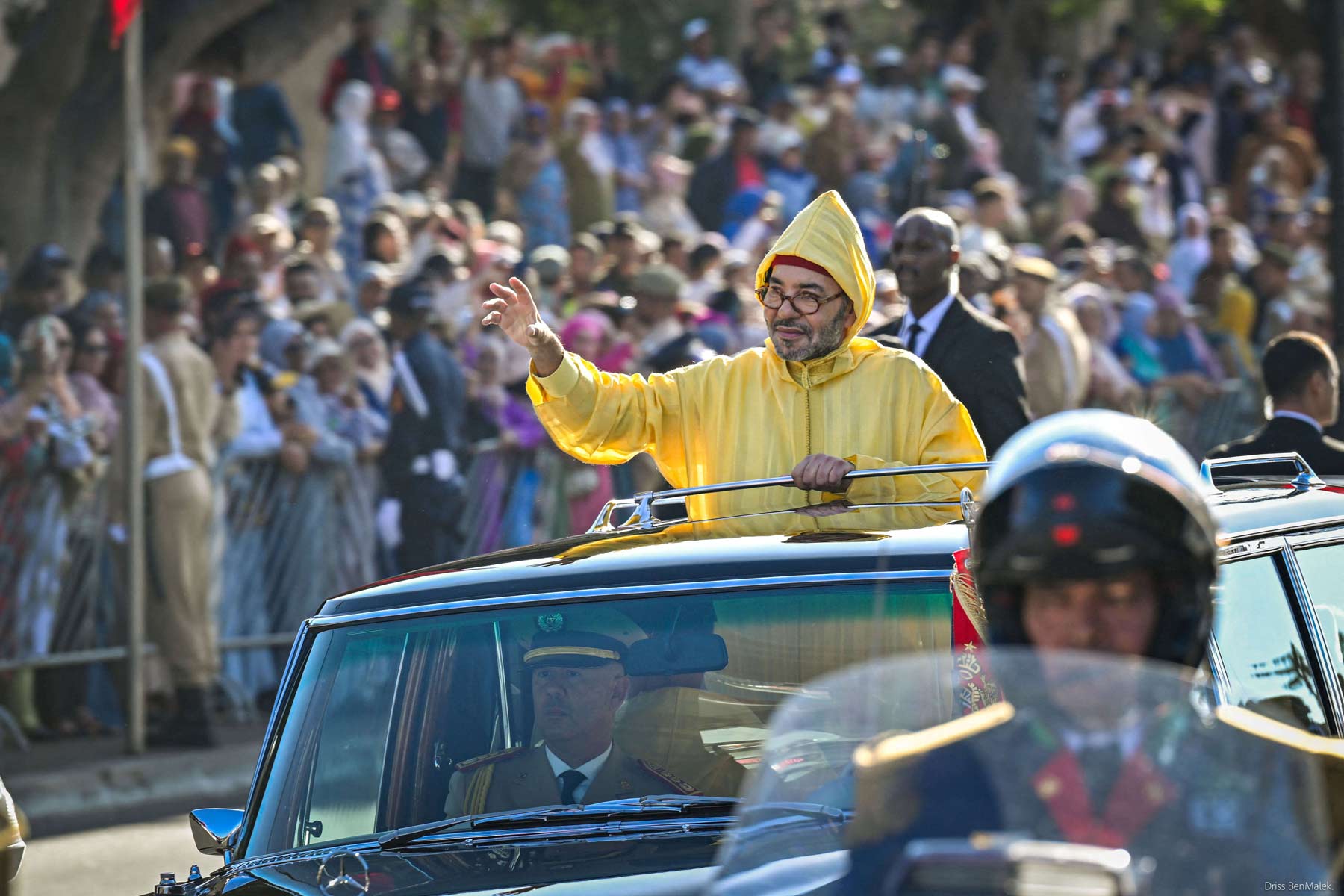
A royal vision for Africa’s future
Morocco positions local governance as driver of Africa’s shared future
King Mohammed VI said Morocco would continue to use decentralised cooperation as a practical tool for strengthening development partnerships and exchanging expertise across Africa.
Wednesday 24/06/2026
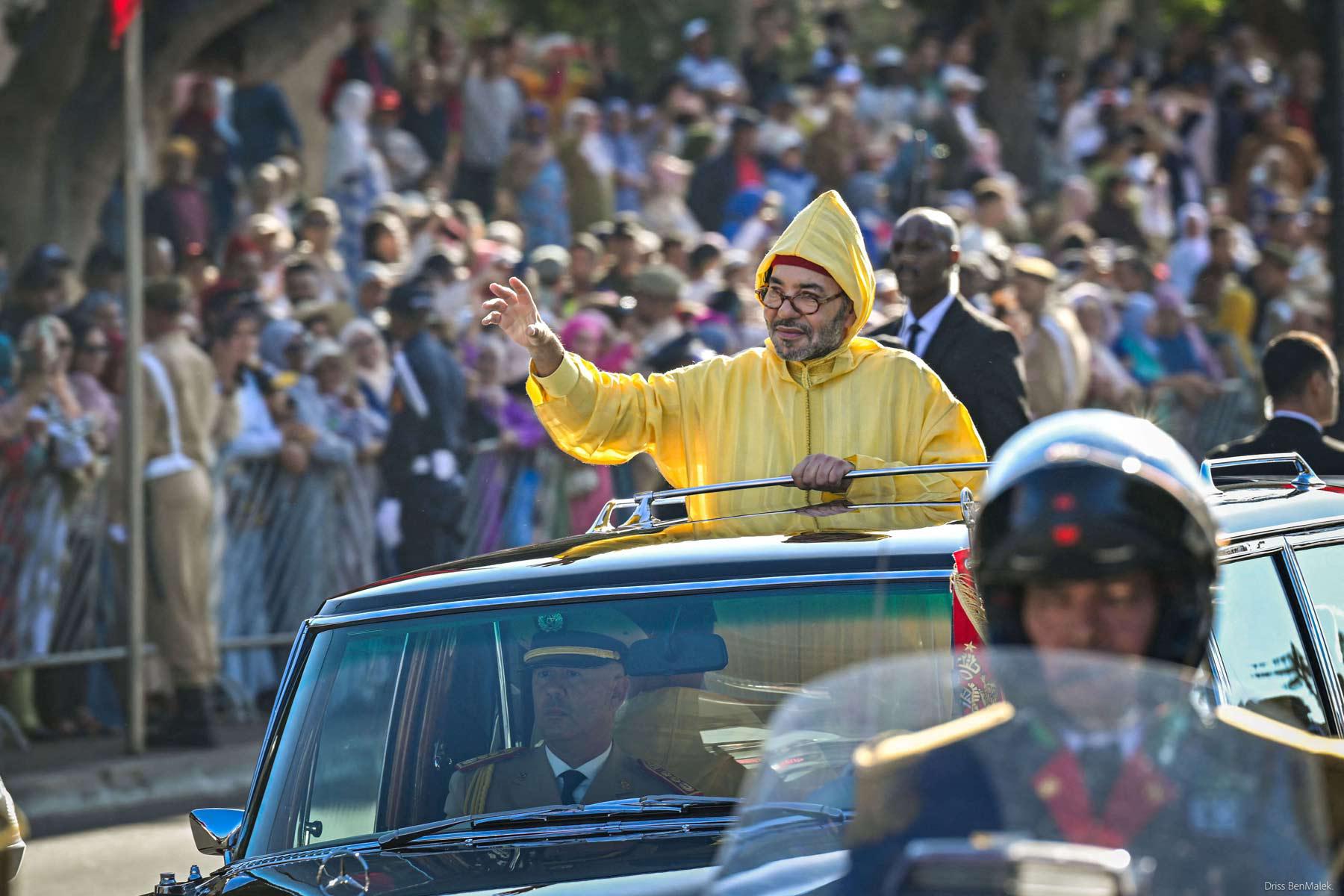
A royal vision for Africa’s future
RABAT – King Mohammed VI has placed African cooperation, shared development and local governance at the centre of Morocco’s vision for the continent’s future, underscoring Rabat’s determination to strengthen its role as a key partner in African integration through projects aimed at boosting connectivity, economic growth and sustainable development.
In a message to participants at the eighth World Congress of United Cities and Local Governments, held in Tangier, the king said Morocco would continue to use decentralised international cooperation as a practical tool for strengthening development partnerships and exchanging expertise between local authorities across Africa.
The message, read by Interior Minister Abdelouafi Laftit, highlighted the growing importance of local and regional authorities in building stronger links between countries and peoples, arguing that local development had become one of the most effective ways to address the economic and social challenges facing many African nations.
King Mohammed VI pointed to Morocco’s efforts to deepen cooperation with African partners through innovative mechanisms designed to support territorial partnerships with tangible impacts on the ground.
He cited the African Fund for Decentralised International Cooperation among Territorial Communities, launched in 2020, describing it as “an innovative mechanism to support territorial partnerships with tangible impact and to consolidate African cooperation based on local development, good governance, capacity building and the exchange of expertise”.
The king’s remarks come at a time when African countries are increasingly seeking new forms of cooperation beyond traditional models, with decentralised partnerships emerging as a vehicle for strengthening continental cohesion and translating political ties into concrete development projects.
Addressing broader international challenges, King Mohammed VI said current global circumstances demonstrated that development could no longer be shaped solely through central government decisions.
“The challenges we face today confirm, day after day, that the future is not built solely through central decisions, but also through the engagement of territorial entities,” he said.
He argued that local territories were where public policies ultimately took shape, whether in education, healthcare, housing, water management, environmental protection, transport, culture, leisure or job creation.
The king also stressed that Morocco’s own development trajectory remained closely linked to the country’s national constants and strategic priorities.
“The development dynamic experienced by the Kingdom of Morocco remains closely linked to the nation’s constants, which form the core of national consensus and the foundation of stability and development,” he said.
He highlighted the role of Morocco’s southern provinces in strengthening the kingdom’s engagement with both Africa and the Atlantic region, saying they had become a platform for growth, stability and cooperation.
“Our southern provinces in the Moroccan Sahara continue to achieve major development projects, making them a space for growth and stability and a centre for strengthening African and Atlantic cooperation within an integrated vision based on solidarity, regional integration and shared development,” he said.
The monarch also drew attention to several strategic initiatives launched by Morocco in recent years, including the initiative aimed at providing Sahel countries with access to the Atlantic Ocean, the Atlantic African Gas Pipeline project and the Atlantic African States Initiative.
“These initiatives transform the African Atlantic façade into a strategic space for cooperation and shared prosperity and reinforce Morocco’s role as a trusted actor and committed partner in the service of stable and integrated African development,” he said.
Turning to the congress theme, “A New Generation of Universal Local Public Services”, King Mohammed VI said it reflected Morocco’s commitment to placing people at the centre of territorial public policies and ensuring access to essential services as a right rather than a privilege linked to geography or social status.
He added that discussions on the future of local public services, territorial development financing, digital transformation, climate justice and territorial diplomacy were increasingly important in building a more equitable and sustainable model of governance.
The king concluded by welcoming the “100 Days of Local Multilateralism” initiative, saying it reflected the growing role of local governments within the international governance system.
He argued that local authorities were no longer merely responsible for implementing international commitments, but had become full partners in shaping them and a source of proposals within the broader architecture of global governance.