




Stepping up efforts to lure Chinese and Hong Kong investors
Ras Al Khaimah rolls out red carpet for Chinese, Hong Kong investors
The fourth largest of the seven Emirates, Ras Al Khaimah (RAK) aims to attract over 3.5 million tourists each year by 2030, up from 1.3 million in 2024.
Wednesday 28/01/2026
Stepping up efforts to lure Chinese and Hong Kong investors
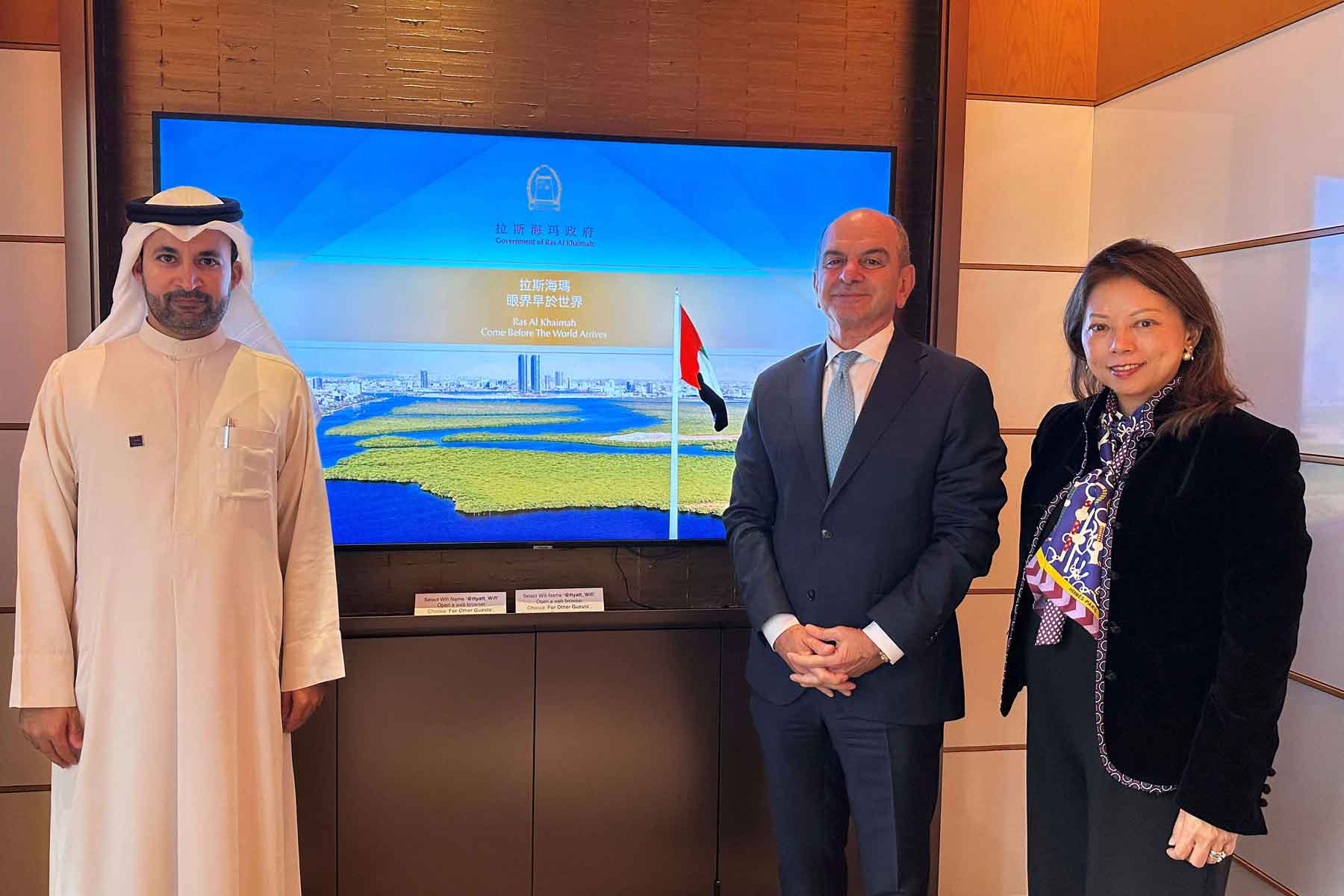
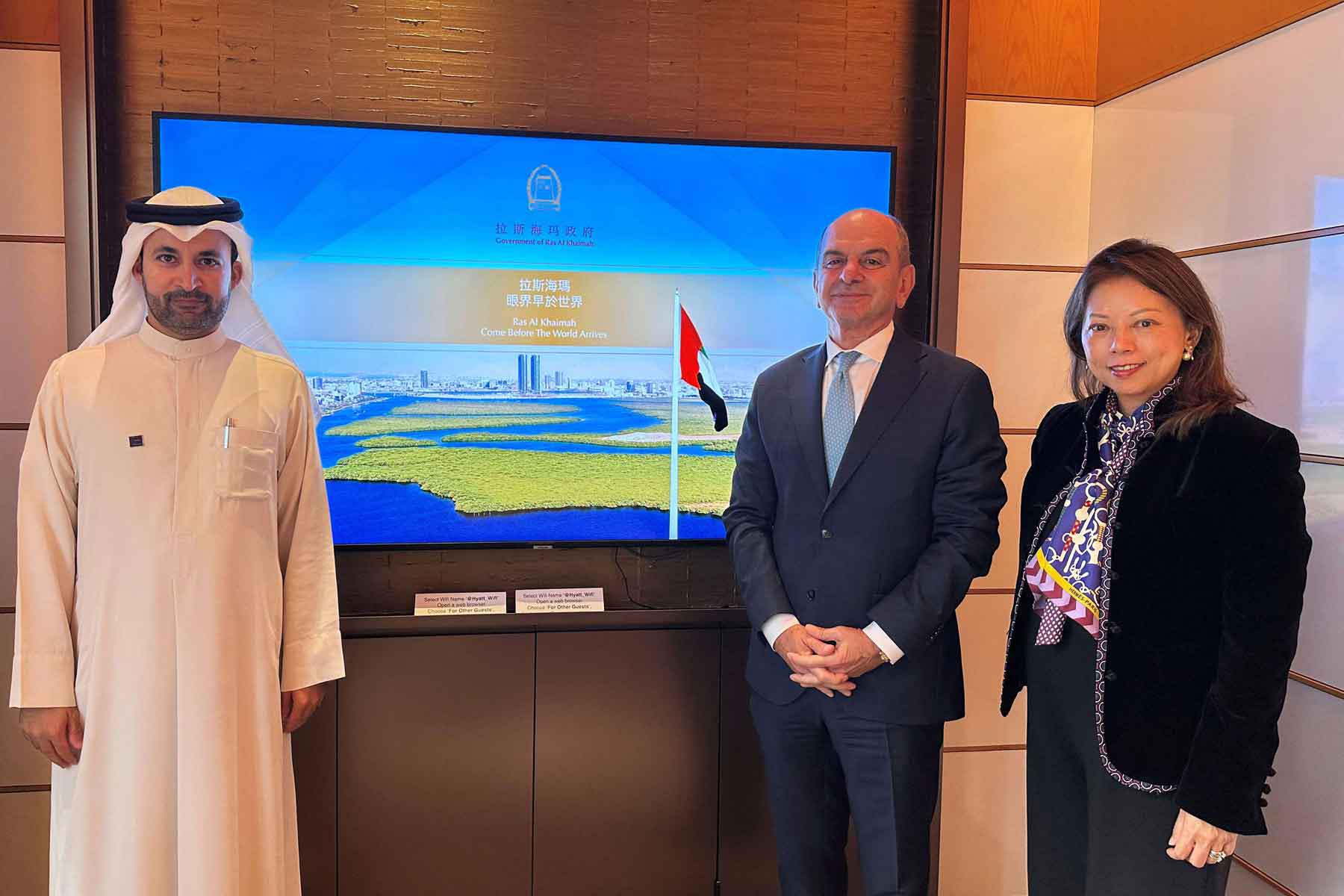
HONG KONG – Ras Al Khaimah, one of seven city-states in the United Arab Emirates, is stepping up efforts to lure Chinese and Hong Kong investors into its real estate, green and digital sectors as the UAE and China seek to deepen cooperation.
The fourth largest of the seven Emirates, Ras Al Khaimah (RAK) aims to attract over 3.5 million tourists each year by 2030, up from 1.3 million in 2024. US-and Hong Kong-listed integrated casino and hotel operator Wynn Resorts is set to open a casino there, the first in the UAE, in the first quarter of 2027.
Abdulla Al Abdouli, CEO of Marjan and behind major developments including the Al Marjan Island resort, said mainland Chinese and Hong Kong investors were interested in opportunities in real estate, hotels and residential complexes.
There were also opportunities for family offices, he added.
"I see other ancillary projects like healthcare, education, entertainment, museum ... That's where I see the potential for family offices to invest and to tap into it," Al Abdouli, part of a delegation to Hong Kong, said in an interview.
He said major Chinese construction companies including China State Construction Engineering and China Railway are taking part in developments on Al Marjan Island, which aims to deliver 8,000 hotel rooms, 12,000 residential units and 600 holiday villas in the coming years.
RAK Properties CEO Sameh Muhtadi said his company is looking to open a sales and marketing office in China.
China's Foreign Minister, Wang Yi, on a three-nation tour of the Middle East in December, pledged deeper cooperation in investment, oil and gas, and infrastructure with the UAE.
The UAE and Hong Kong last year signed a regulatory agreement to allow investment funds and asset managers licensed in one market to be recognised in the other, streamlining cross-border access and expanding flows between Asia and the Middle East as competition between financial centres increases.