

Turkey’s renewed push comes at a time of major geopolitical shifts across the Sahel and West Africa
Turkey expands African reach with landmark Nigeria agreements
Nigeria, with its demographic weight and economic clout, is widely seen as the centrepiece of Ankara’s Africa strategy.
Wednesday 28/01/2026
Turkey’s renewed push comes at a time of major geopolitical shifts across the Sahel and West Africa
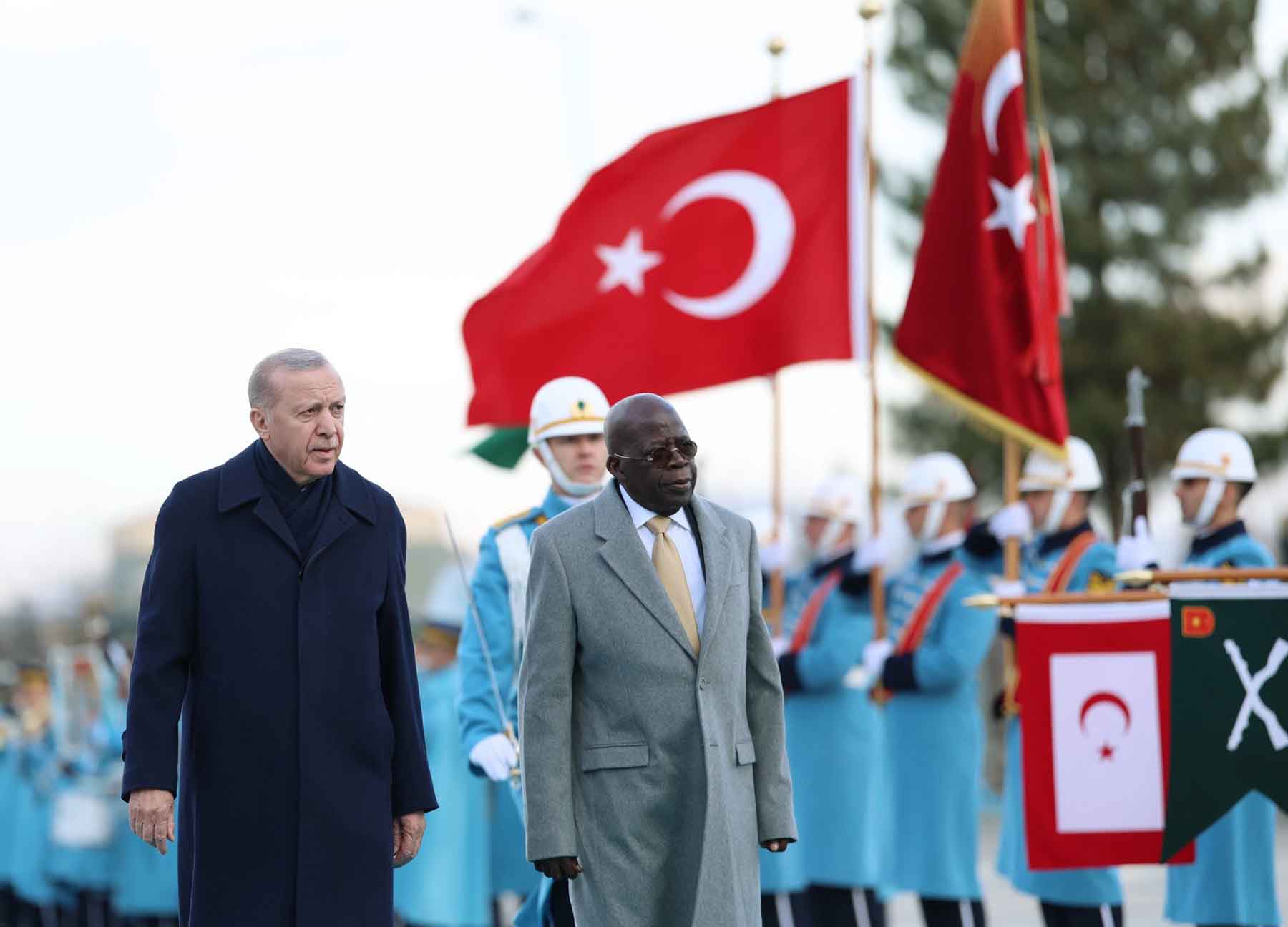
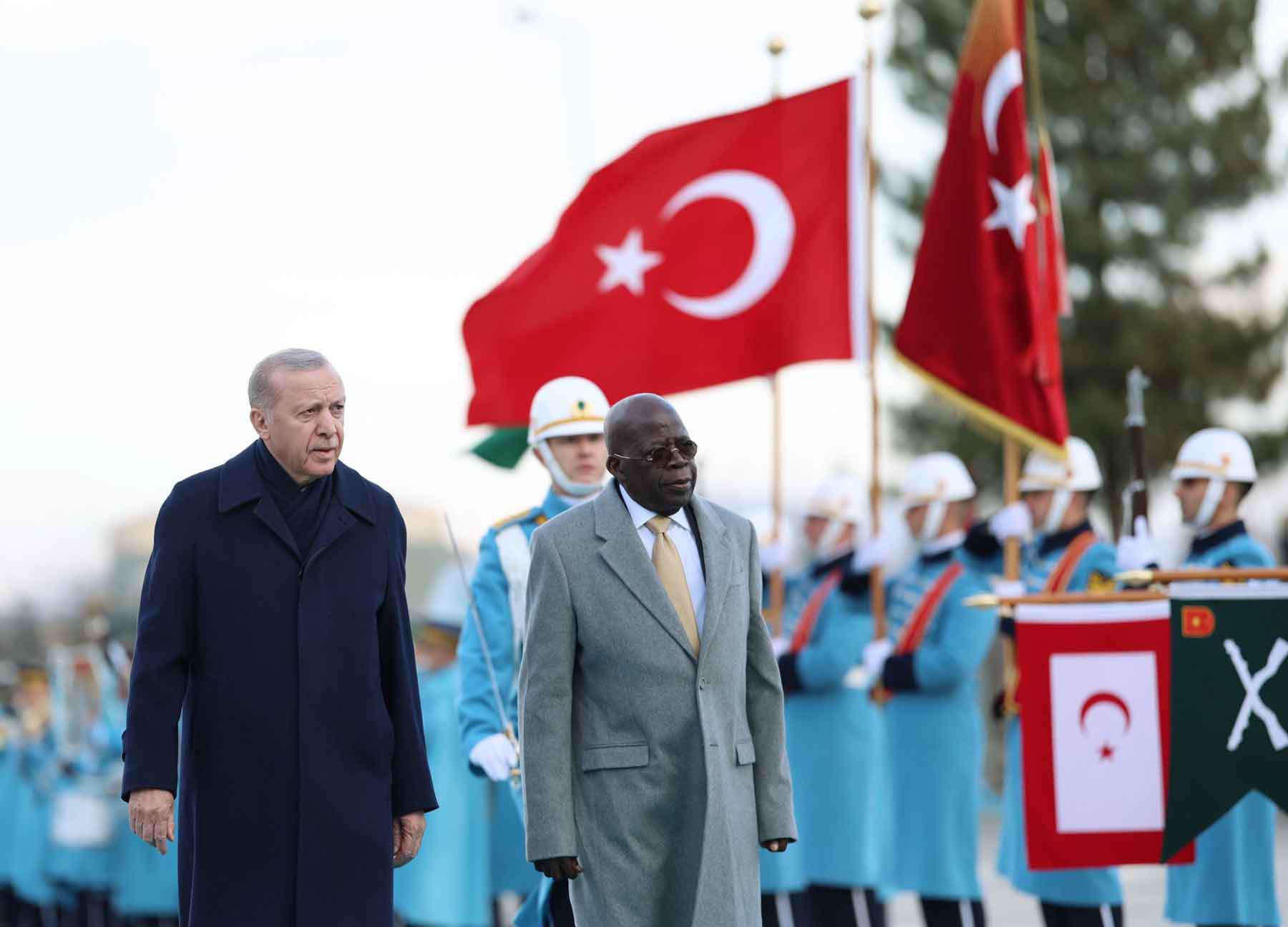
ANKARA – In a move that underlines Turkey’s growing ambition to position itself as a leading strategic partner in Africa, the presidential complex in Ankara on Tuesday hosted the signing of nine agreements and memoranda of understanding between Turkey and Nigeria. The development goes well beyond routine bilateral cooperation, reflecting a broader Turkish political doctrine aimed at challenging the continent’s traditional external powers.
Nigeria, with its demographic weight and economic clout, is widely seen as the centrepiece of Ankara’s Africa strategy. Against this backdrop, Nigerian President Bola Ahmed Tinubu, speaking after talks with President Recep Tayyip Erdogan, described his country as being at the “heart of the continent” and surrounded by mounting challenges, language that effectively opened the door for Turkey to present itself as a stabilising force.
Among the most significant accords was a military cooperation protocol, signed as Nigeria continues to grapple with armed groups, including Boko Haram. Turkey, whose Bayraktar drones have proven effective in several conflict theatres, is seeking to transfer this expertise to Abuja, potentially opening a vast new market for its rapidly expanding defence industry.
On the economic front, the establishment of a joint economic committee is intended to remove trade barriers and prevent double taxation, paving the way for record levels of bilateral trade. The move aligns with Ankara’s efforts to capitalise on Nigeria’s need to modernise its infrastructure, an area in which Turkish construction firms have built a strong international reputation.
The agreements, however, were not confined to hard security and economic interests. A series of memoranda also focused on expanding Turkey’s soft power. These include cooperation between the two countries’ diplomatic academies, aimed at shaping a shared outlook among future decision-makers, as well as initiatives targeting Nigeria’s vast consumer market, home to Africa’s largest Muslim population, through the promotion of Turkish “halal quality” standards.
An agreement on media and communications was also signed, reflecting a shared desire to counter Western and local narratives and to ensure closer coordination in messaging that serves the interests of both governments.
Turkey’s renewed push comes at a time of major geopolitical shifts across the Sahel and West Africa, where French influence has been waning. Ankara has sought to distinguish itself as a partner “without a colonial past,” a message that resonated with President Tinubu, who thanked Erdogan for his readiness to cooperate on the basis of mutual respect and shared prosperity.
While Tinubu appears to view Ankara as a strong ally in confronting armed gangs and instability, Erdogan sees Nigeria as an indispensable gateway to the wider African economy. The challenge, however, lies in what Tinubu described as the need for “practical steps,” turning signed agreements into tangible outcomes that improve living standards and contribute to a new balance of power on the continent.
Ankara, it seems, is no longer content with humanitarian diplomacy in Africa alone. It has moved decisively towards a model of comprehensive security and economic partnership, with Nigeria emerging as a central pillar of Turkey’s long-term African ambitions.