


Will Baghdad heed US call?
Rubio warns Iraq on forming pro-Iran government
The US Secretary of State says a government controlled by Iran cannot successfully put Iraq's own interests first or advance the mutually beneficial partnership between the US and Iraq.
Monday 26/01/2026
Will Baghdad heed US call?
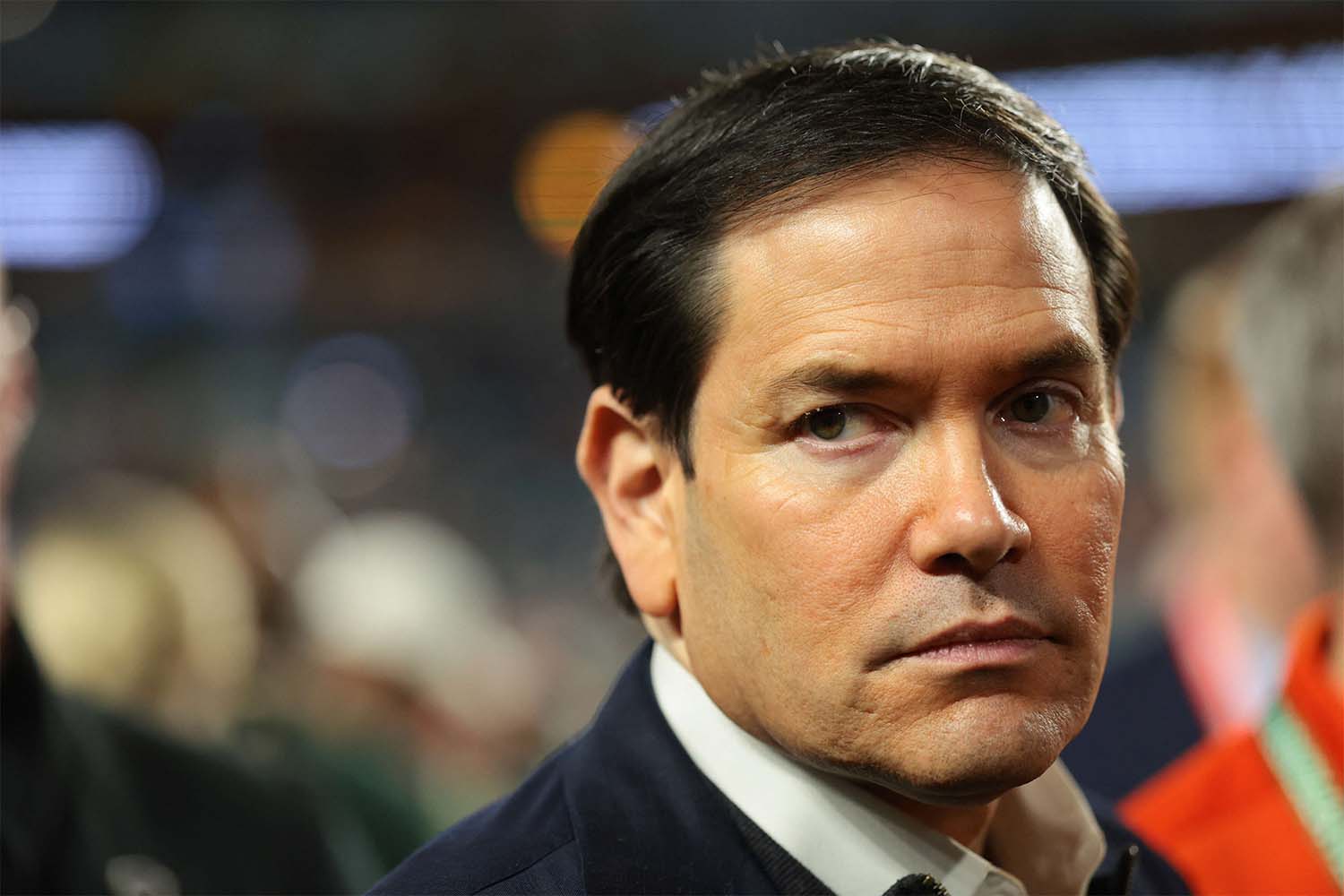
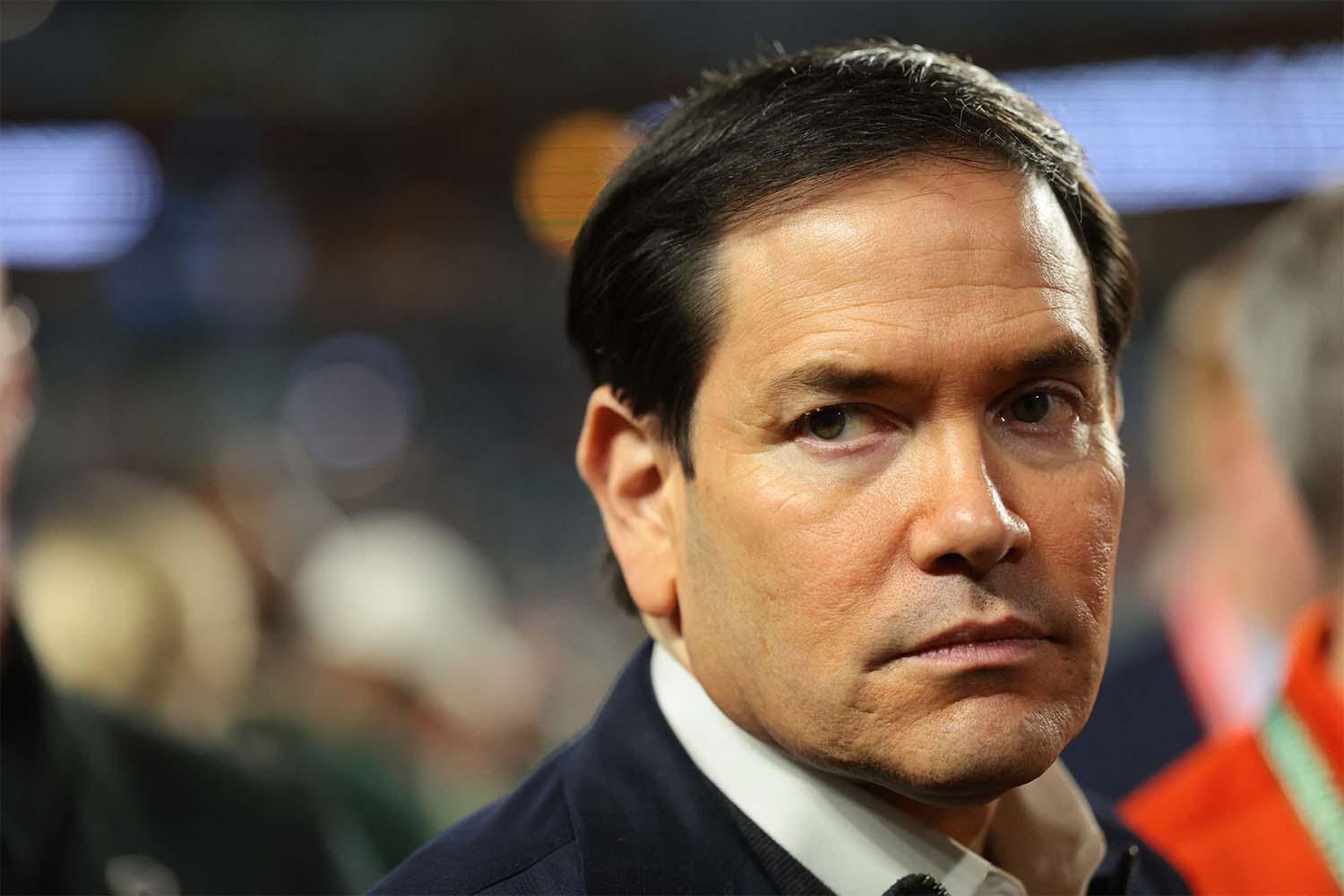
WASHINGTON - US Secretary of State Marco Rubio issued a stark warning to Iraq on Sunday, cautioning against the formation of a government heavily influenced or controlled by Iran.
The statement, delivered during a phone call with Iraqi Prime Minister Mohammed Shia al-Sudani, comes amid growing concerns in Washington over political developments in Baghdad, particularly rumors surrounding the potential political comeback of former Prime Minister Nouri al-Maliki.
According to the US Department of State readout, Rubio emphasized that "a government controlled by Iran cannot successfully put Iraq's own interests first, keep Iraq out of regional conflicts, or advance the mutually beneficial partnership between the United States and Iraq."
This direct messaging underscores the Trump administration's firm stance on curbing Tehran's influence in Iraq, a country where Iran-backed militias and political factions have long held significant sway.
The warning arrives against the backdrop of ongoing discussions about Iraq's government formation and leadership. Reports highlight expectations that Nouri al-Maliki- a figure widely viewed as closely aligned with Iranian interests during his 2006–2014 tenure as prime minister - may be positioning for a return to power or a major role in the political landscape.
Such a development has stirred apprehension in Washington, which sees it as a risk of deepening Iraq's entanglement in Iran's regional orbit.
Iraq's political scene remains complex and fragmented, with various Shia coalitions, including those tied to the Popular Mobilization Forces (PMF) paramilitary groups, often accused of serving as proxies for Iranian influence.
The US has repeatedly called for the disarmament or integration of these militias into state institutions under civilian control, viewing them as obstacles to Iraqi sovereignty and stability.
In the call, Rubio also commended Iraq's cooperation on security matters, including the detention and transfer of ISIS fighters from northeastern Syria (such as those held in al-Hol camp) to Iraqi facilities.
He urged accelerated repatriation of foreign nationals for prosecution, framing these efforts as positive steps in the bilateral relationship.
However, the conversation's core focus on Iran-linked influence signals that the US-Iraq partnership remains conditional on Baghdad prioritizing its national independence over external alignments.
This latest intervention reflects broader US policy under the current administration to counter Iranian expansionism across the Middle East.
For Iraq, the message poses a clear dilemma. Balancing relations with both Washington and Tehran has been a longstanding challenge, especially as the country seeks economic reconstruction, security, and political stability after years of conflict.
A pivot toward greater Iranian dominance could jeopardize US support, including military assistance, economic ties, and diplomatic backing - while alienating other regional players.
As political negotiations continue in Baghdad, Rubio's warning serves as a reminder that the United States is closely monitoring Iraq's trajectory and stands ready to defend its vision of a sovereign, independent Iraq free from foreign domination.