

External pressure has further complicated the political landscape
Sudani gives up MP seat as Iraq factions struggle to form government
The divergence between Sudani’s resignation and Maliki’s refusal to assume his parliamentary seat reflects deeper divisions over how to manage Iraq’s next political phase.
Monday 09/02/2026
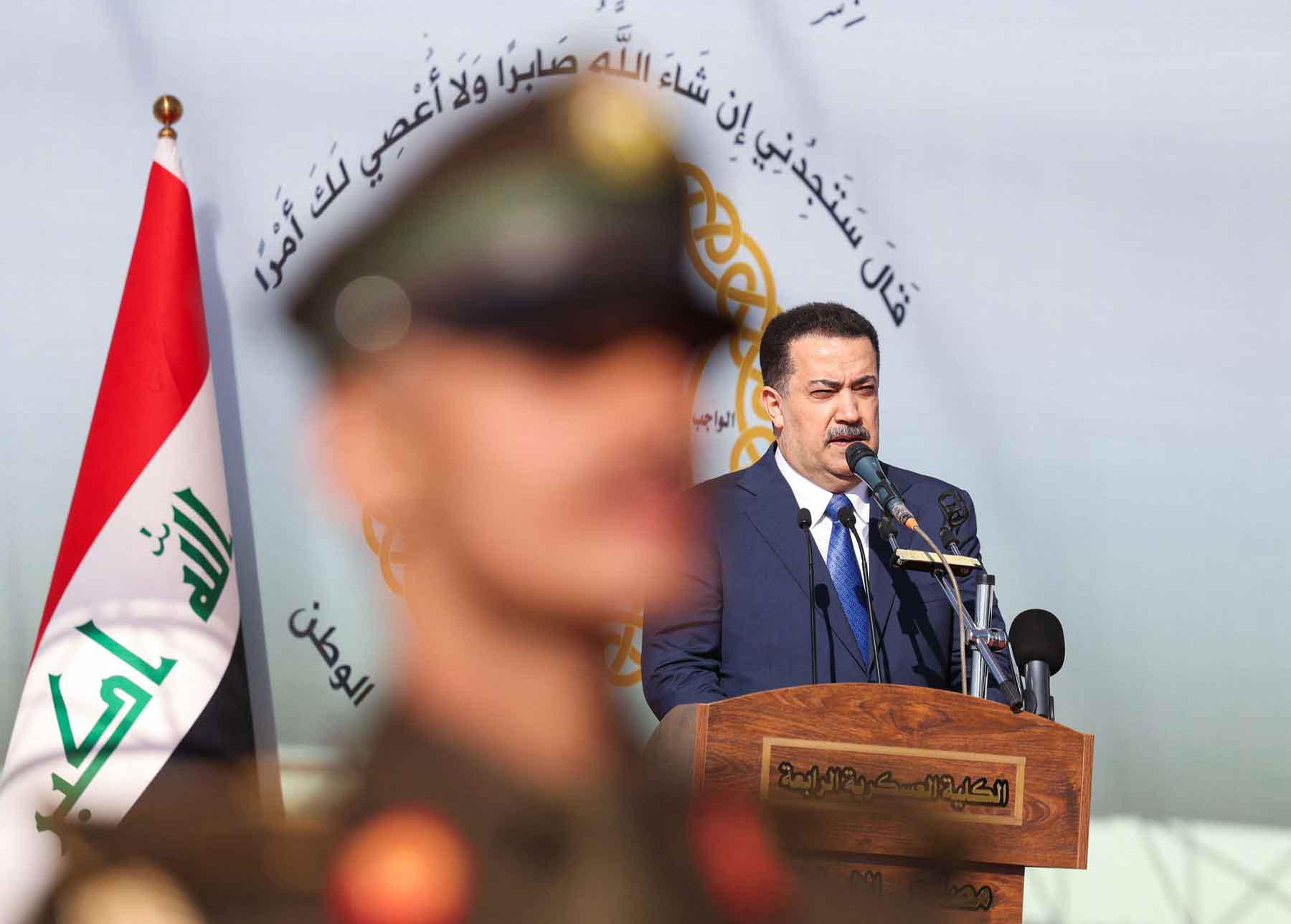
External pressure has further complicated the political landscape
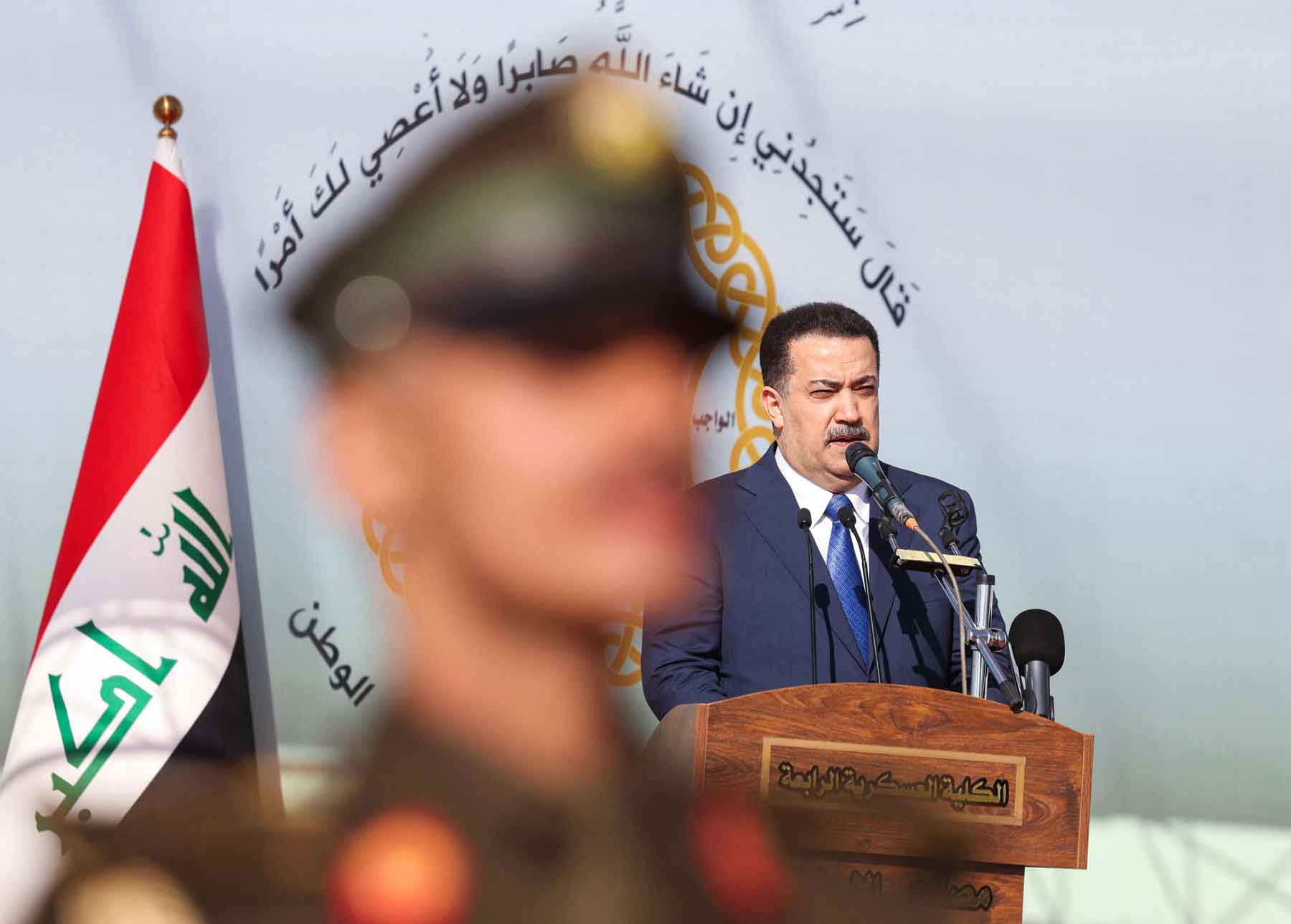
BAGHDAD – Iraq’s outgoing Prime Minister Mohammed Shiaa al-Sudani relinquished his seat in parliament, a move with constitutional and political implications that go beyond procedural formalities, as negotiations intensify over forming the country’s next government amid persistent political paralysis.
Sudani’s decision comes despite his decisive personal victory in October’s parliamentary elections, in which he secured more than 92,000 individual votes. Parliamentary sources said his resignation triggers constitutional procedures requiring his replacement to be sworn in at the next session of parliament, underscoring adherence to legal norms and reinforcing the separation between executive and legislative roles.
The move is widely interpreted as a political signal that Sudani intends to focus on his executive responsibilities or play a central role in managing Iraq’s transitional phase, as rival factions struggle to reach agreement on the shape of the next administration.
Contrasting approaches within Shia political camp
Sudani’s decision stands in sharp contrast to that of former prime minister Nouri al-Maliki, leader of the State of Law Coalition, who also won a parliamentary seat but has yet to take the constitutional oath. His delay has raised questions about his political calculations, particularly as he continues to pursue a return to the premiership despite mounting domestic, regional and international opposition.
The divergence between Sudani’s resignation and Maliki’s refusal to assume his parliamentary seat reflects deeper divisions over how to manage Iraq’s next political phase. While some actors appear eager to project constitutional discipline and flexibility, others remain committed to more confrontational strategies that risk prolonging instability.
Analysts say the ability of Iraq’s political forces to reach a comprehensive national compromise will be decisive in determining whether the country can avoid further political fragmentation.
Intensive negotiations to break political impasse
The developments come amid intensified political manoeuvring within the State Administration Coalition, which includes key factions from across Iraq’s political spectrum. The alliance is preparing for a crucial meeting to address the unresolved issues of the presidency and premiership in an effort to break the stalemate that has persisted since election results were announced.
Political sources indicated the meeting could prove pivotal, as serious discussions are underway over potential compromise candidates capable of securing broader national consensus.
Within the Shiite Coordination Framework, which groups the main Shiite political factions, internal discussions have included the possibility of proposing an alternative consensus candidate to replace Maliki. The discussions point to genuine divisions within the Shiite political establishment.
However, Maliki has reaffirmed his determination to remain a candidate, arguing that the selection of the prime minister is a sovereign matter to be decided by constitutional institutions and the will of the Iraqi people. His position has also been backed by his Islamic Dawa Party.
US pressure adds further complexity
External pressure, particularly from the United States, has further complicated the political landscape. Washington has signalled clear opposition to Maliki’s potential return to power, according to official statements and media reports, and has hinted at possible pressure measures, including restrictions affecting Iraq’s access to oil export revenues.
These signals have heightened concerns within the Coordination Framework and prompted some factions to consider alternative candidates seen as less politically and economically risky.
The dispute has also spilled into the media sphere, with the State of Law Coalition announcing a boycott of Al-Ahd television channel over its coverage opposing Maliki’s candidacy. The move reflects growing polarisation within Iraq’s Shiite political arena, particularly as influential factions such as Asaib Ahl al-Haq and the National Wisdom Movement have voiced opposition to his return.
Sunni opposition reinforces divisions
Opposition to Maliki has also emerged from key Sunni leaders. Mohammed al-Halbousi, head of the Taqaddum Party and former parliament speaker, has publicly rejected Maliki’s return, citing his previous tenure, which he said coincided with deteriorating security and political conditions culminating in the Islamic State group’s seizure of large parts of Iraq in 2014.
Halbousi’s stance aligns closely with Washington’s position, further complicating efforts to forge a national consensus and highlighting the overlapping domestic and international pressures shaping Iraq’s government formation process.
As political negotiations continue, Sudani’s decision to relinquish his parliamentary seat underscores the high-stakes manoeuvring underway, with Iraq’s fragile stability hinging on whether rival factions can overcome deep divisions and agree on a viable leadership formula.