

Peace deferred
Sudan's army chief bets on attrition as prospects for political deal fade
The diplomatic activity of Burhan points less towards a search for peace than towards a broader strategy aimed at ensuring the military's long-term survival.
Thursday 11/06/2026
Peace deferred
KHARTOUM – Growing evidence suggests that Sudan's military leadership is increasingly focused on sustaining the country's war effort rather than pursuing a political settlement, raising fresh doubts about prospects for ending a conflict that has devastated the country since fighting erupted in April 2023.
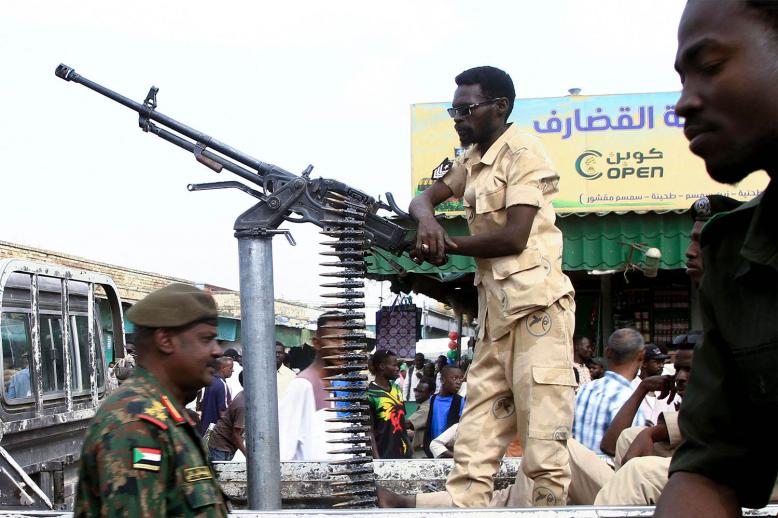
More than three years into the war between the Sudanese Armed Forces (SAF) and the Rapid Support Forces (RSF), neither side has succeeded in securing a decisive military victory. Instead, the conflict has evolved into a grinding war of attrition that has shattered infrastructure, displaced millions of people and triggered one of the world's worst humanitarian crises.
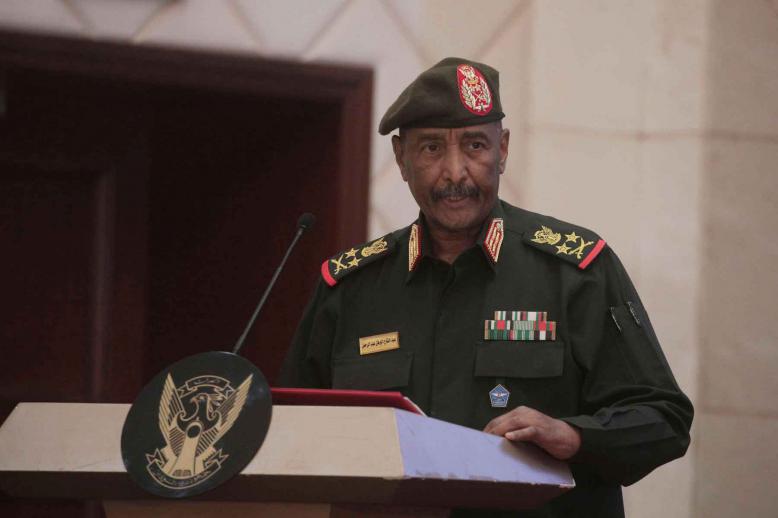
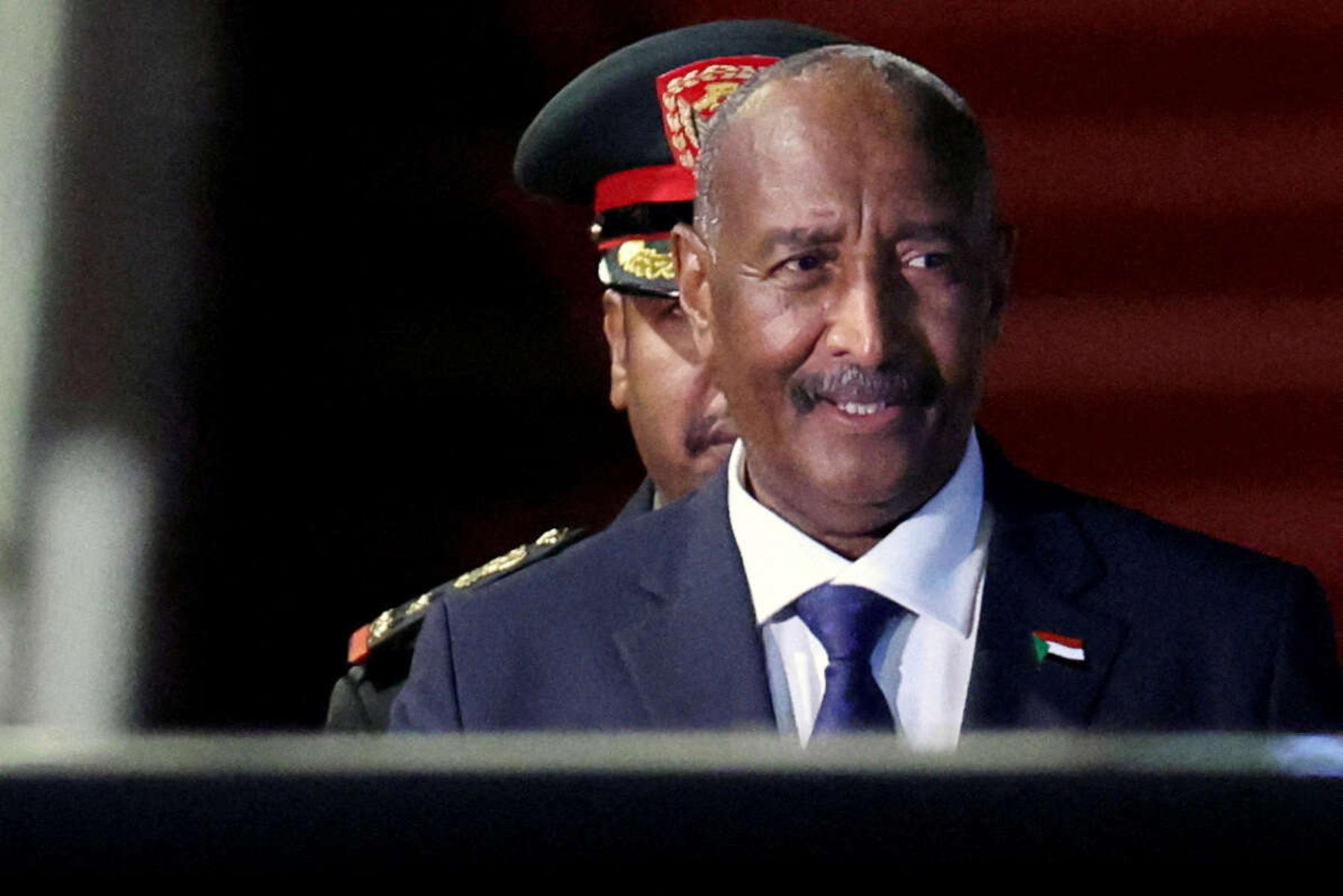
Against this backdrop, analysts say the diplomatic activity of army chief General Abdel Fattah al-Burhan over the past year points less towards a search for peace than towards a broader strategy aimed at ensuring the military's long-term survival and preserving its dominant role within the Sudanese state.
Since the outbreak of the conflict, numerous regional and international initiatives have sought to secure ceasefires and launch a comprehensive political process. Yet repeated mediation efforts have either stalled or collapsed, with both sides accusing each other of obstructing negotiations.
While military and political leaders continue publicly to express support for dialogue, observers note that the Sudanese army's core demands have remained largely unchanged. The military leadership continues to insist that the RSF must be dismantled and stripped of its military capabilities before any meaningful political process can move forward.
Critics argue that such conditions remain difficult to achieve under current battlefield realities and risk making a negotiated settlement increasingly unattainable.
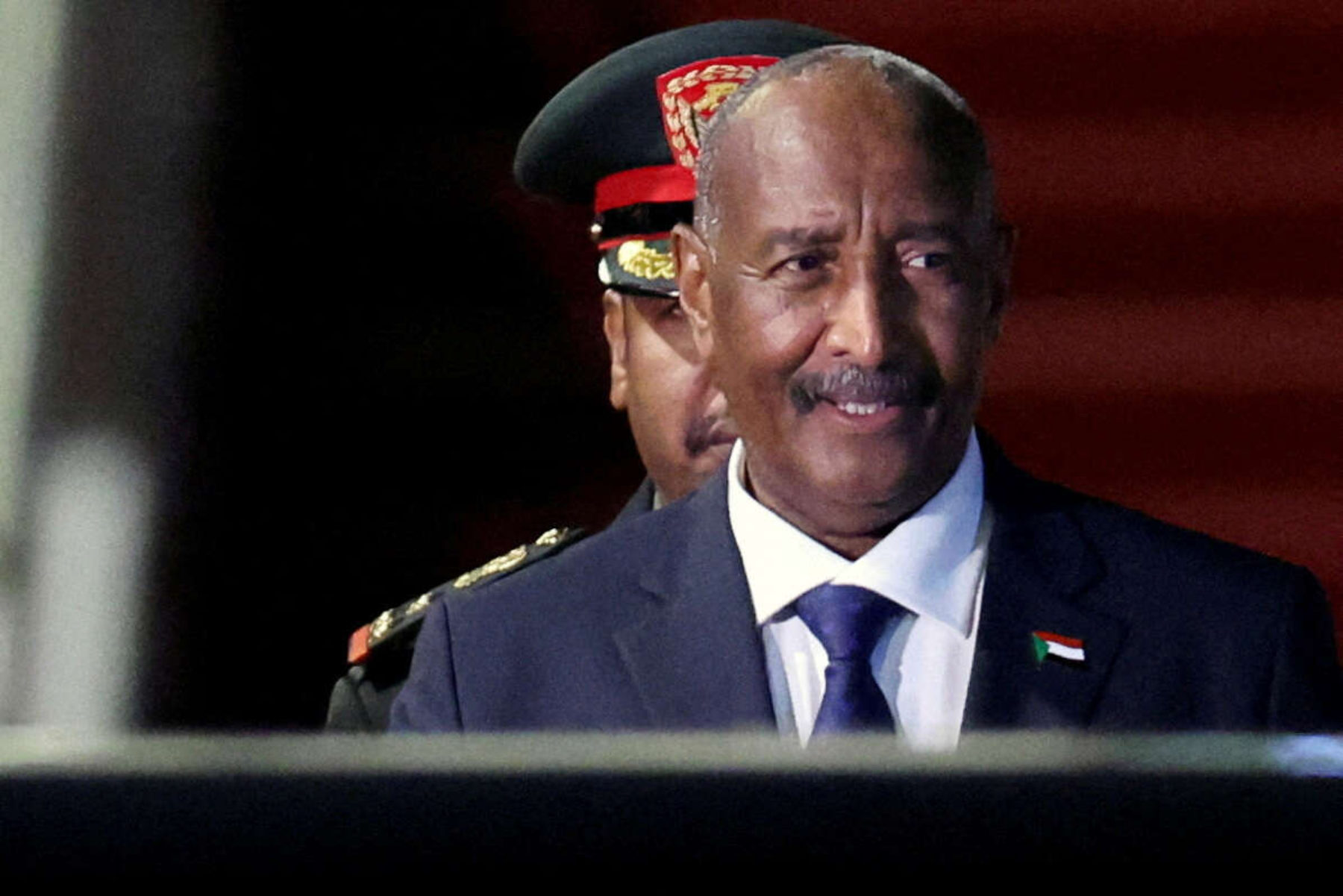
At the same time, Burhan has intensified diplomatic engagement with a range of regional and international actors. Official statements accompanying these visits often emphasise support for stability, humanitarian coordination and efforts to resolve the Sudanese crisis.
However, analysts say the practical focus has frequently centred on securing military equipment, logistical support, political backing and financial assistance necessary to sustain the war effort.
The strategy appears rooted in a broader calculation. For the military establishment, a negotiated settlement that significantly redistributes power could ultimately weaken the influence of security institutions and political networks that have shaped Sudan's governance for decades.
Many analysts believe this concern helps explain why negotiations repeatedly struggle to gain traction. While military leaders participate in diplomatic initiatives, they often do so without signalling flexibility on fundamental issues that would be required to reach a lasting agreement.
As a result, international mediation efforts have frequently produced declarations of intent, temporary understandings and renewed commitments to talks, but little tangible progress towards a comprehensive settlement.
Supporters of the military argue that the SAF is defending Sudan's sovereignty and preventing the fragmentation of the state. They contend that any settlement that leaves the RSF intact as an autonomous military force would simply institutionalise instability and create the conditions for future conflict.
Yet critics counter that continued reliance on military solutions risks prolonging a war that neither side appears capable of winning outright.
The conflict has already exacted a severe toll. Large parts of Sudan's economy have collapsed, public services have deteriorated and millions of people have been displaced internally or forced to seek refuge abroad. Humanitarian agencies continue to warn of worsening food insecurity and growing civilian suffering across several regions.
Experts caution that the longer the war continues, the more difficult eventual reconstruction and national reconciliation will become. Extended conflict risks deepening political and social divisions while further weakening already fragile state institutions.
The international environment also offers little indication of a breakthrough. External powers involved in Sudan have differing priorities and competing interests, while global attention has increasingly shifted towards other crises. This has reduced the likelihood of coordinated international pressure capable of forcing the parties towards a comprehensive agreement.
That reality provides Sudan's military leadership with greater room to pursue a strategy centred on endurance rather than compromise.
However, analysts warn that time alone may not alter the fundamental dynamics of the conflict. After years of fighting, neither the SAF nor the RSF has demonstrated an ability to impose a decisive military outcome.
In that context, diplomatic efforts focused primarily on securing weapons, funding and external support may help sustain the conflict, but they do little to address the underlying political questions that fuel it.
Sudan therefore finds itself caught between two competing realities: a military leadership that appears to view continued resistance as essential to preserving its position and a battlefield situation that increasingly suggests a military solution remains out of reach.
Until those realities are reconciled, the country's war of attrition is likely to continue consuming state institutions, economic resources and civilian lives, while the prospects for a genuine peace settlement grow ever more distant.