

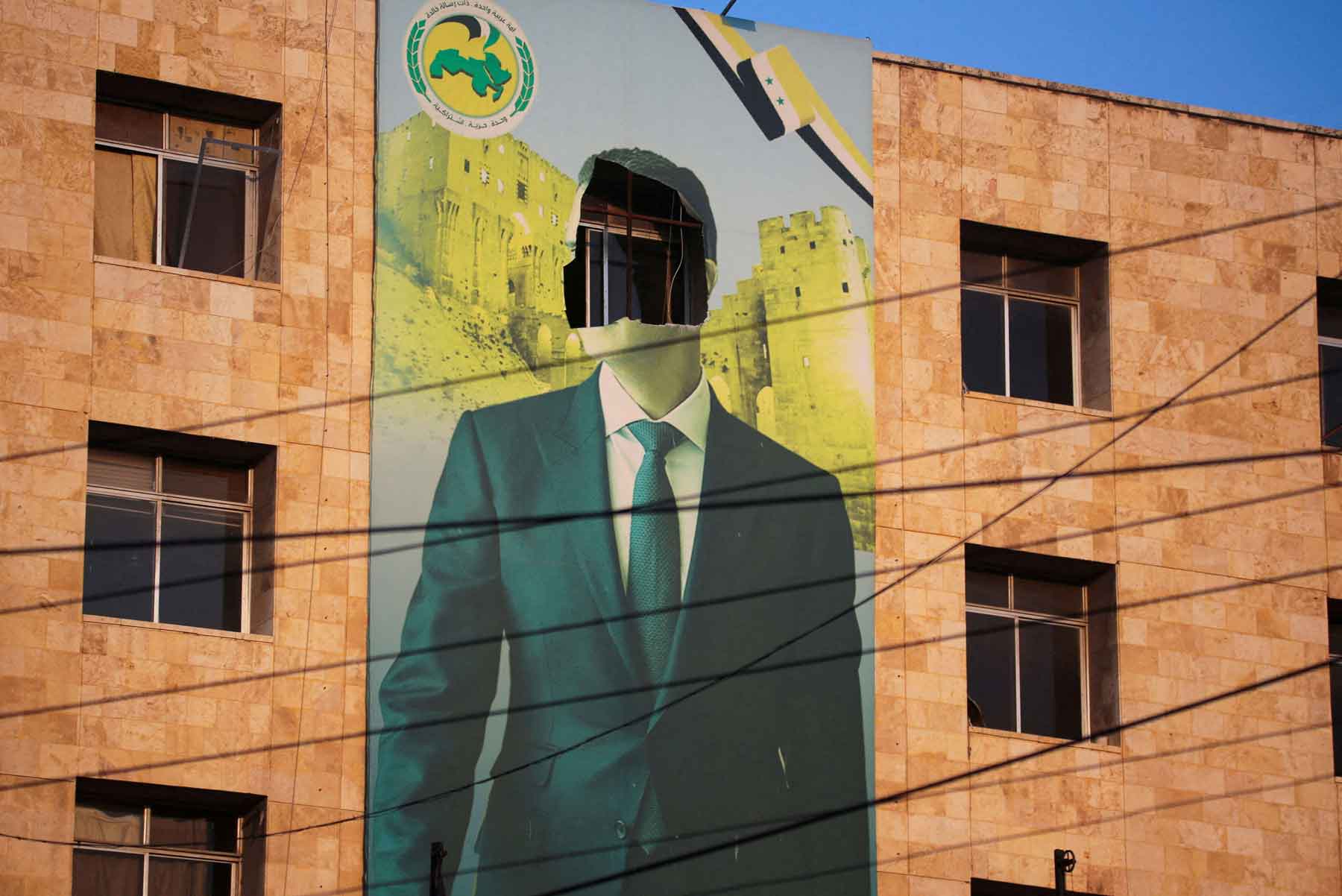
A damaged poster of Syria’s former president Bashar al-Assad in Aleppo, November 30, 2024.
Syria exposes network of former regime militias amid coastal tensions
Lebanese Deputy Prime Minister Tarek Metri expressed concern over the movements of former regime supporters in Lebanon.
Friday 02/01/2026
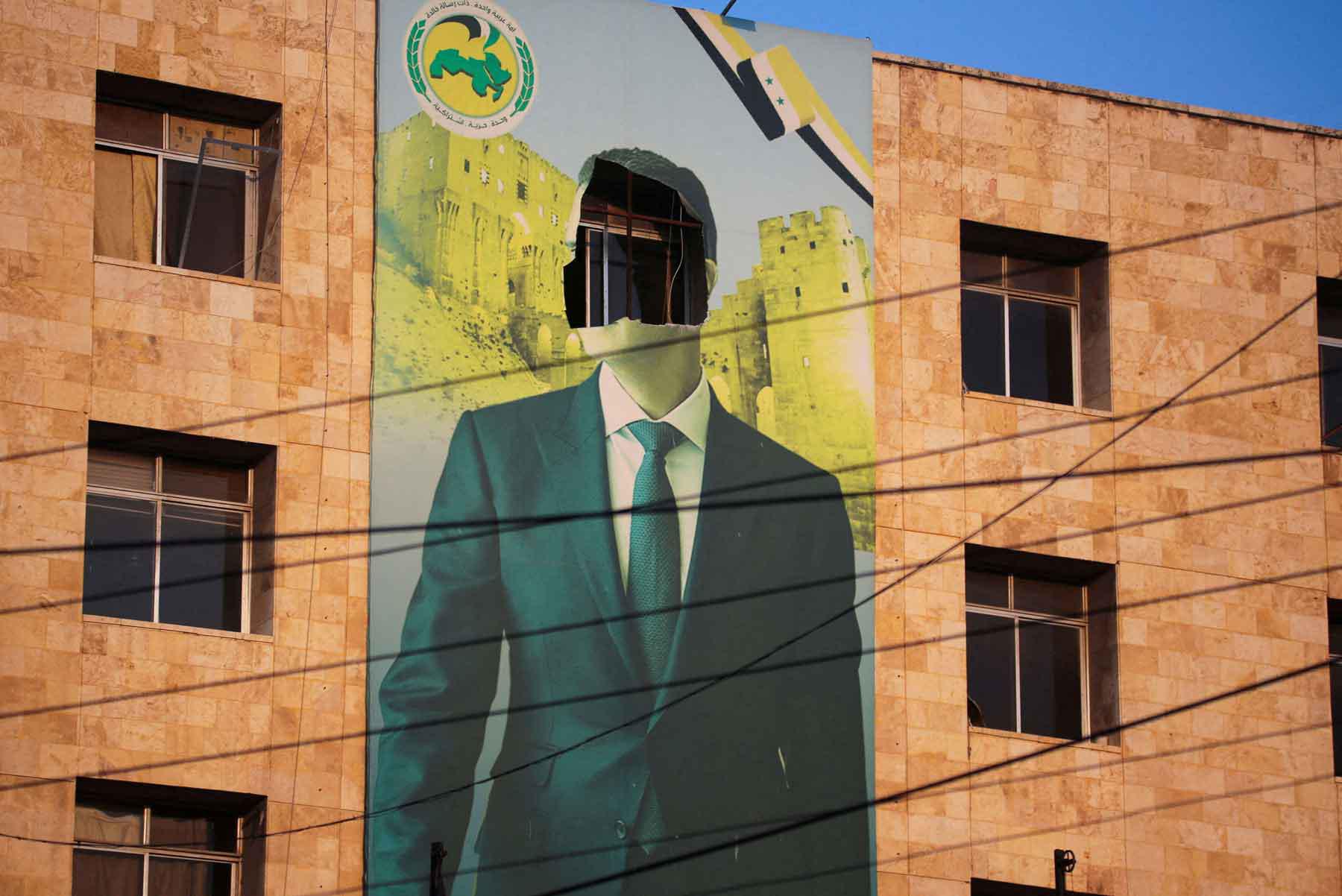
A damaged poster of Syria’s former president Bashar al-Assad in Aleppo, November 30, 2024.
DAMASCUS -
Syrian authorities have revealed extensive details about the organisational structure, personnel, and operations of militias loyal to the previous Assad regime, highlighting the ongoing threat posed by so-called “remnants” or al-Floul. The disclosures, based on exclusive documents and recordings obtained by Al Jazeera, detail the hierarchy, regional deployments and funding networks of these armed groups, particularly in the coastal and central provinces.
According to the report, the leaked materials, scheduled for a full broadcast on the investigative programme Al-Mutahari on January 16, include names of senior figures and former officers, along with operational details, weaponry and support channels.
Among the individuals featured are Suhail al-Hassan, formerly the commander of the special forces under Bashar al-Assad, and his son Hassan, currently residing in Russia, who allegedly maintains contact with former officers. The location of both was reportedly traced through geolocation data extracted from their phones.
The documents, obtained by a Syrian informant who convinced the former regime network that he was an Israeli officer willing to cooperate, are said to include hundreds of internal communications and recordings. These files reportedly reveal attempts by former officers to reorganise and consolidate their forces following the collapse of Assad’s rule in December 2024.
At the apex of the network sits businessman Rami Makhlouf, Assad’s cousin, followed by General Suhail al-Hassan and Brigadier Ghiath Dalla. Secondary leaders reportedly include Ali Mahna, responsible for finances; Saleh al-Abdallah, overseeing military affairs; and Ali al-Eid, coordinating field groups spread across Syria, particularly in the coast, Hama, and Homs provinces.
The leaked materials suggest that al-Hassan claimed command over more than 168,000 fighters, distributed across multiple sectors including central Homs, Al-Ghab, east Hama, Jableh and Damascus. Recorded communications from April to December 2025 allegedly capture him discussing troop numbers and confirming financial support from Makhlouf. Additional recordings describe operational planning and logistical arrangements, including the supply of heavy weapons, anti-tank missiles, firearms and RPGs.
The report also highlights the role of Ahmed Dunia, the network’s financial coordinator, responsible for delivering salaries and funds to the fighters, particularly in the coastal regions. Documents indicate that these arrangements date back to May 2025 and include detailed records of distribution and amounts allocated per fighter.
Beyond Syria, the documents reveal a contingent of roughly 20 former regime pilots residing in Lebanon under the supervision of Hassan, reportedly moved by Iranian operatives for potential deployment. These pilots currently receive minimal support, including daily meals and lodging, but are said to seek integration into Hassan’s forces. A headquarters for coordinating these operations has allegedly been established in the Lebanese border town of Hayssa.
The report further implicates Lebanese nationals such as Mahmoud al-Salman, previously involved in armed activity, as participants in potential future operations. Phone communications and intercepted messages illustrate coordination between field commanders like Tarek Ajib and militia leaders such as Miqdad Fatiha, particularly in the coastal region where protests and attacks on security forces have occurred in recent months.
In response to the revelations, Lebanese Deputy Prime Minister Tarek Metri expressed concern over the movements of former regime supporters in Lebanon. He called for enhanced security verification and cooperation with Syrian authorities, stressing that responsibility to prevent destabilising actions lies with all parties, not only security agencies.
Syrian Interior Minister Anas Khattab also issued stern warnings to the remnants, emphasising that “the new state born from liberation will not step back even for a moment,” underscoring the government’s resolve after a string of deadly incidents targeting security personnel and civilians in coastal and central provinces.
Recent attacks in Latakia, Tartus, Hama and Homs have included demonstrations calling for federalism and self-determination, following a terrorist assault on a predominantly Alawite mosque in Homs that killed eight people. In a broader push to stabilise the country, Damascus authorities stress equality before the law and are actively working to assert control, rebuild infrastructure and restore security across Syria after years of conflict.