


Trump's comments signal a continuation of his "maximum pressure" campaign against Iran
Trump warns Iran would be 'foolish' not to strike a deal with US
The US President emphasizes his belief that Tehran is eager to talk, but stresses that any agreement must include strict conditions: "no nuclear weapons, no missiles."
Wednesday 11/02/2026
Trump's comments signal a continuation of his "maximum pressure" campaign against Iran
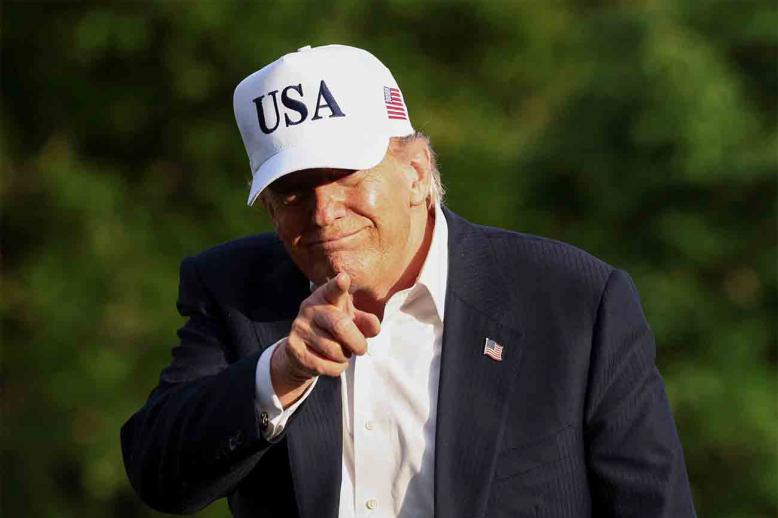
WASHINGTON - US President Donald Trump has once again extended an olive branch laced with warnings to Iran, stating that the Islamic Republic would be "foolish" not to negotiate a deal with the United States on its nuclear and ballistic missile programs.
Speaking on Fox Business Network's "Kudlow" program, aired on Tuesday, Trump emphasized his belief that Tehran is eager to talk, but stressed that any agreement must include strict conditions: "no nuclear weapons, no missiles."
"I think they want to make a deal. I think it'd be foolish if they didn't," Trump said during the interview. He referenced past US actions, adding, "We took out their nuclear power last time, and we'll have to see if we take out more this time."
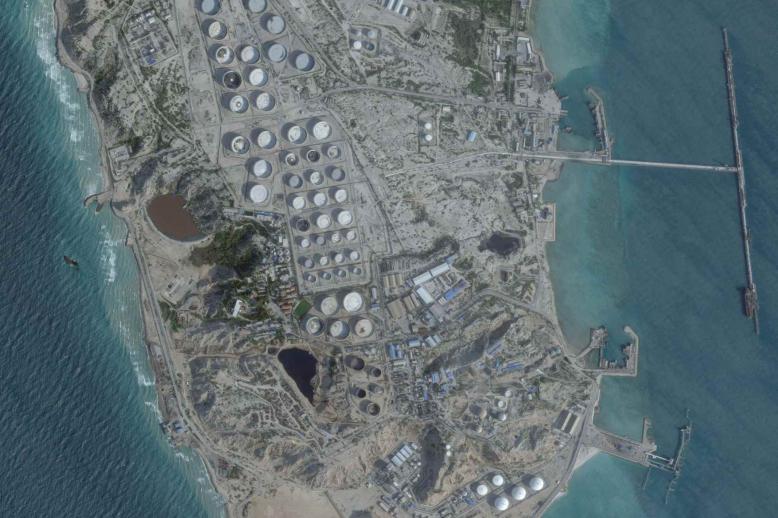
This appears to allude to recent US military strikes on Iranian nuclear facilities, which have escalated tensions in the region amid ongoing conflicts.
Escalating US-Iran tensions
Trump's remarks come against a backdrop of heightened friction between Washington and Tehran. Since re-entering the White House, Trump has ramped up pressure on Iran through economic sanctions, military deployments, and direct threats.
In a separate interview with Israel's Channel 12, published on the same day, he hinted at potential aggressive measures if negotiations fail: "Either we reach a deal, or we’ll have to do something very tough."
The president has repeatedly criticized previous administrations, particularly those of Barack Obama and Joe Biden, for what he calls weak handling of Iran.
He accused the Iranian regime of being "very dishonest" and expressed skepticism about trusting any deal with the current leadership, though he noted their apparent willingness to engage: "They wouldn't talk to anybody else, but they're talking to me."
Recent diplomatic maneuvers add layers to the situation. Iran's top security official, Ali Larijani, met with Oman's Sultan Haitham bin Tariq Al Said on Tuesday to discuss outcomes from indirect talks between US and Iranian representatives the previous week.
Trump has also used social media to prod Iran, posting on Truth Social in late January: "Hopefully Iran will quickly ‘Come to the Table’ and negotiate a fair and equitable deal."
Implications for regional stability
Trump's comments signal a continuation of his "maximum pressure" campaign against Iran, which during his first term led to the US withdrawal from the 2015 Joint Comprehensive Plan of Action (JCPOA) nuclear deal. Analysts suggest that while Trump appears open to dialogue, his demands for complete denuclearization and curbs on missile development represent steep hurdles for Tehran, which views its missile program as essential for defense.
Iranian officials have not immediately responded to Trump's latest statements, but past rhetoric from Tehran has rejected US preconditions as infringements on sovereignty. The ongoing exchanges highlight the fragile state of US-Iran relations, with potential ramifications for Middle East security, oil markets, and international diplomacy.