

Accused of forming a clandestine security apparatus
Tunisia hands down jail terms of up to 35 years in conspiracy case
The official charges are severe. Prosecutors accused the defendants of forming an organisation linked to terrorist crimes, inciting violence including murder and physical assault.
Tuesday 03/02/2026
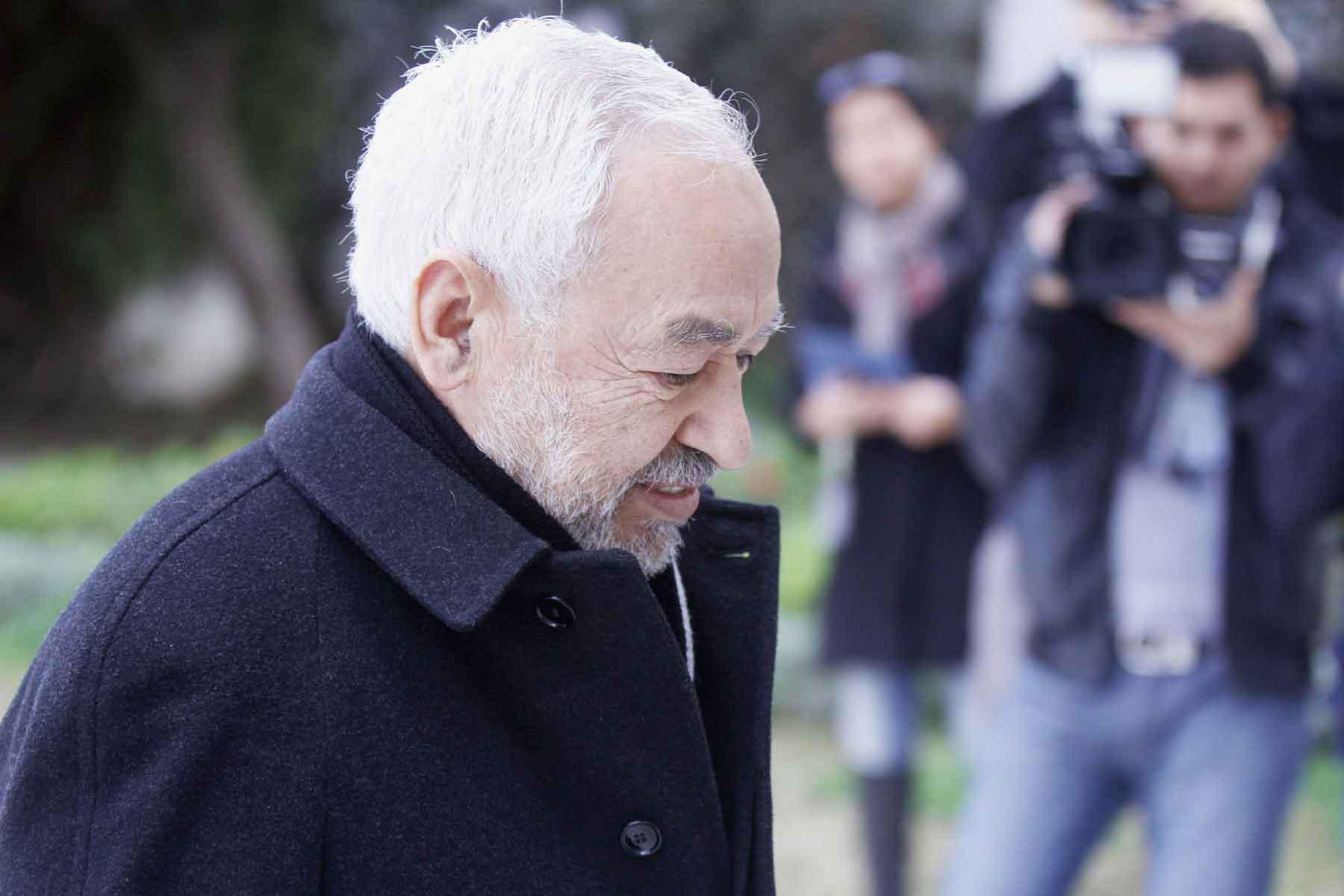
Accused of forming a clandestine security apparatus
TUNIS – A Tunisian appeal court on Tuesday upheld and, in several cases, increased heavy prison sentences against prominent politicians, former security officials and figures linked to the Islamist Ennahda movement, in one of the most sweeping rulings yet in a case centred on alleged conspiracy against state security.
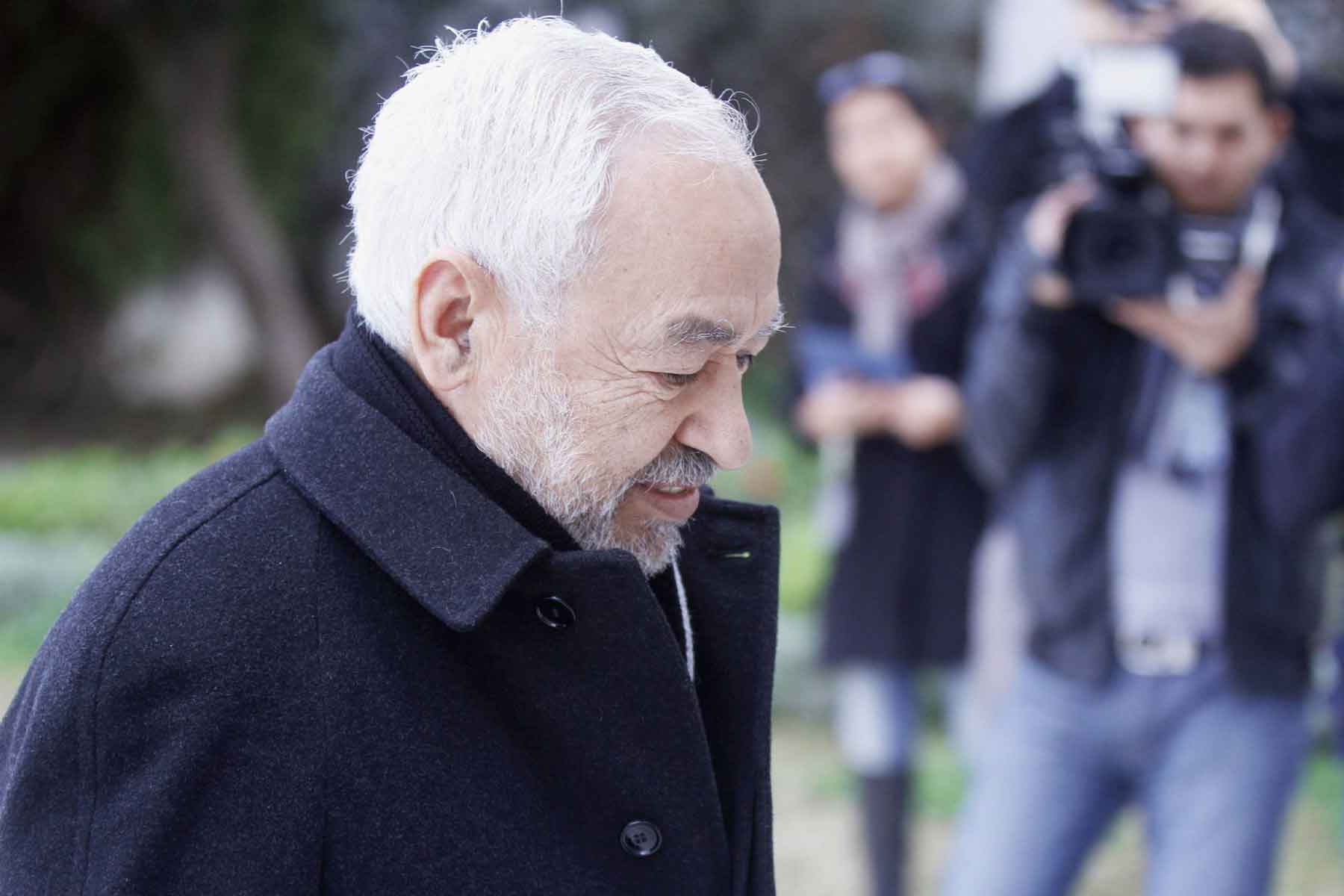
Among those targeted is Rached Ghannouchi, the 84-year-old head of Ennahda and former speaker of parliament, whose sentence was increased to 20 years in prison, up from an earlier 14-year term. Ghannouchi has been behind bars since 2023, and with the latest ruling, the total length of sentences issued against him across multiple cases now exceeds 50 years.
The court also upheld a 35-year prison sentence against Nadia Akacha, former chief of staff to President Kais Saied, who was convicted in absentia after fleeing the country, according to the official Tunis Afrique Presse (TAP) news agency.
The rulings form part of what authorities describe as a major conspiracy case involving 21 defendants, accused of plotting against the internal security of the state. Ten of the defendants are currently in custody, while 11 others have fled abroad.
According to TAP, the court also confirmed 35-year sentences against Kamel Guizani, the former intelligence chief, Rafik Abdessalem, a former foreign minister, and Mouadh Ghannouchi, the son of Rached Ghannouchi. All three are currently outside Tunisia.
In this case, Ghannouchi and other senior Ennahda figures, along with retired military officer Kamal Ben Badoui, stand accused of forming a clandestine security apparatus allegedly intended to serve the party’s interests.
The official charges are wide-ranging and severe. Prosecutors accused the defendants of forming an organisation linked to terrorist crimes, inciting violence including murder and physical assault, conspiring to attack people and property, and plotting against Tunisia’s internal state security. They were also charged with attempting to alter the structure of the state, engaging in preparatory acts, and using Tunisian and foreign territory to recruit and train individuals with the aim of carrying out terrorist crimes both inside and outside the country.
All of the defendants have denied the charges, insisting the case is politically motivated and fabricated to target opponents of President Saied, a defence consistently raised by critics in response to rulings issued by Tunisia’s judiciary in recent years.
In a partial mitigation, the court reduced the sentence against Rayan Hamzaoui, mayor of Zahra, from 12 years to three years in prison.
The verdicts come amid a broader crackdown in which opposition leaders, journalists and activists remain behind bars on charges ranging from corruption and terrorism to collaboration with foreign entities and conspiring against state security.
President Saied dissolved the elected parliament in 2021, assumed executive authority by decree, later dismantled the independent Supreme Judicial Council, and dismissed dozens of judges accused of corruption. His opponents have described the moves as a coup that derailed Tunisia’s fragile democratic transition, which followed the 2011 Arab Spring uprising.
Saied has repeatedly rejected such accusations, insisting his actions are lawful and necessary to put an end to years of political paralysis, chaos and entrenched corruption within Tunisia’s ruling elite.