


A critical need to lower tensions
UAE pushes de-escalation in Yemen, backing dialogue over confrontation
The UAE stressed the need for de-escalation and dialogue, describing them as essential to overcoming current challenges.
Monday 05/01/2026
A critical need to lower tensions
ABU DHABI –
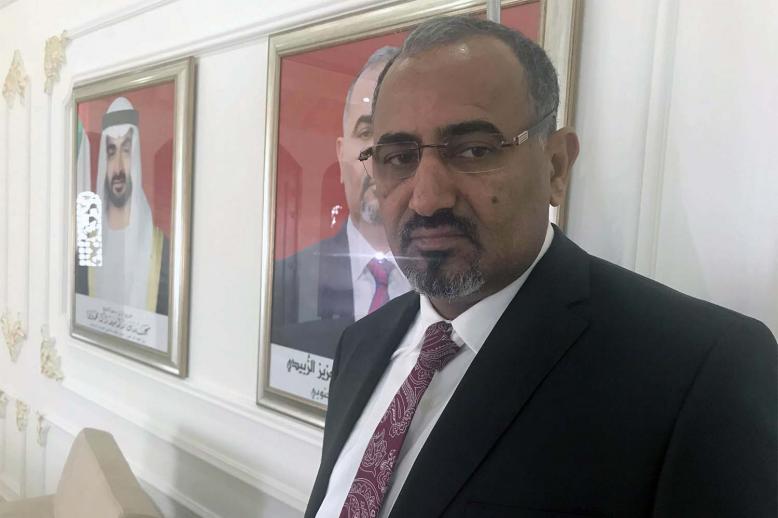
Yemen’s Southern Transitional Council (STC) on Saturday welcomed a Saudi call for dialogue aimed at containing a fresh bout of escalation, as the United Arab Emirates urged restraint and warned that calm and negotiations remain the only viable path to restoring security and stability in the war-torn country.
In a statement, the STC said the Saudi initiative represented a “genuine opportunity for serious dialogue” that could safeguard the future of the south, preserve its security and stability, and ensure the aspirations of the southern population are met.
The UAE, meanwhile, voiced deep concern over the rapidly unfolding developments in Yemen, particularly following the recent escalation in the eastern province of Hadramout. In its first official reaction to the clashes there, the Emirati foreign ministry stressed the need for de-escalation and dialogue, describing them as essential to overcoming current challenges and preventing further deterioration of the already fragile situation.
The statement reflected a long-standing Emirati approach to regional crises that prioritises prudence and political solutions over confrontation, and seeks to steer conflicts away from open-ended escalation towards sustainable settlements that protect both states and their peoples.
Abu Dhabi underscored the importance of self-restraint and dialogue among Yemenis, calling for disputes to be addressed through understanding and consensus rather than steps that could further complicate the landscape or threaten the country’s tenuous stability.
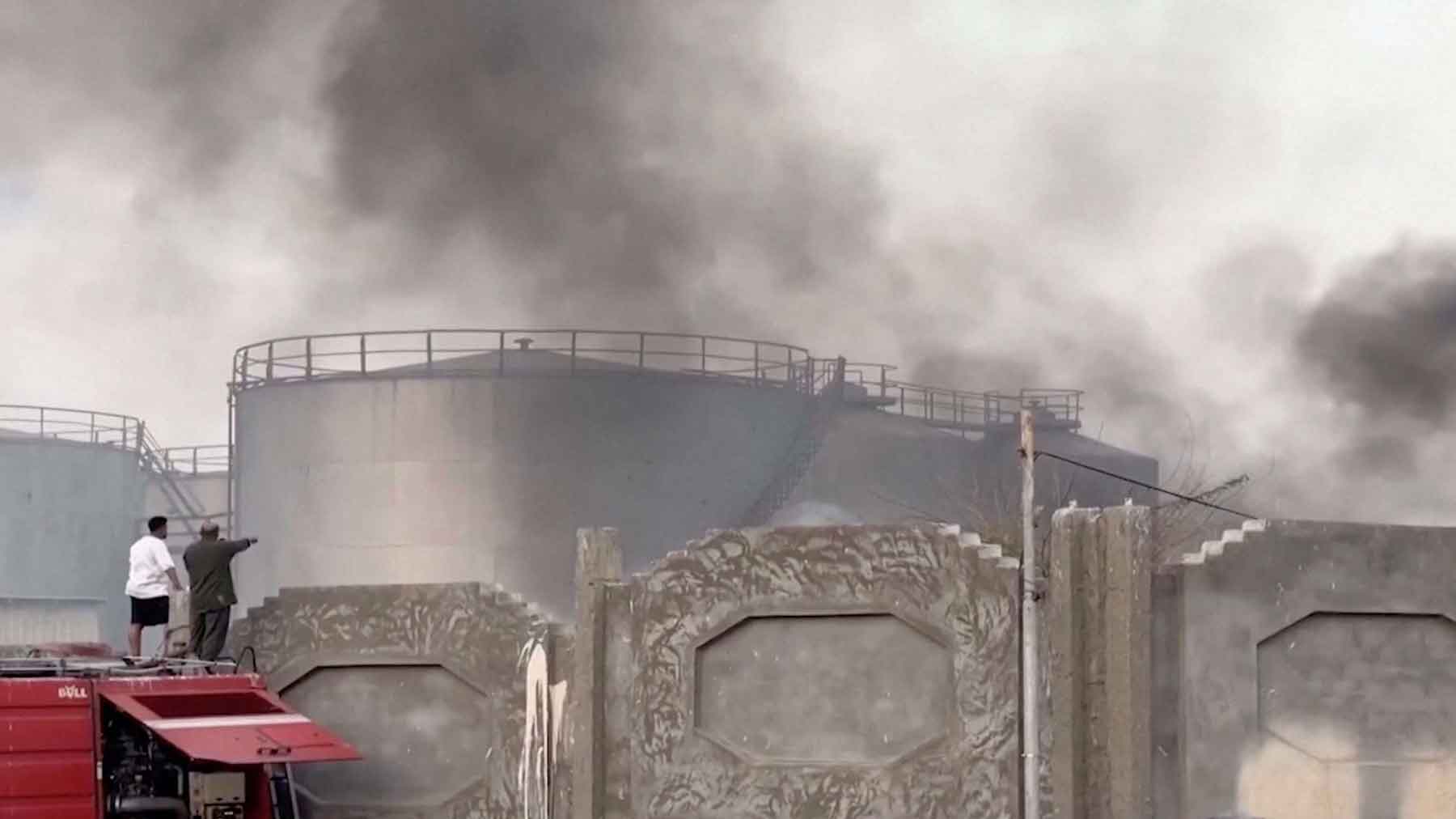
Hadramout has witnessed clashes since Friday between forces loyal to Yemen’s internationally-recognised government and units aligned with it on one side, and STC-affiliated forces on the other. The confrontations were followed by the STC’s announcement of a two-year transitional phase leading to a referendum on southern independence and the declaration of a southern state.
The developments have reshuffled the political and military cards in Yemen, raising fears of a wider escalation at a time when the country is still reeling from the consequences of a long and complex conflict that has devastated its economy and social fabric.
According to the UAE’s state news agency WAM, Abu Dhabi is following the situation with “grave concern,” expressing regret over the escalation and urging Yemenis to exercise wisdom, avoid further confrontation and prioritise security and stability. The foreign ministry stressed that halting the escalation and privileging dialogue over force is the only way to resolve existing disputes and reach lasting political solutions that place Yemen’s national interest above all else.
The Emirati position reflects a broader regional vision that rejects the imposition of faits accomplis by force and instead advocates rational, responsible political tracks that prioritise reconstruction, stability and prosperity. Sustainable security, the statement said, can only be achieved through political consensus that commands broad acceptance, takes account of local complexities and spares Yemen and the wider region further divisions.
The UAE also emphasised that de-escalation and dialogue are not merely tactical options but a strategic pillar of its foreign policy, evident in its handling of various regional crises. Abu Dhabi has consistently called for lowering tensions, protecting civilians, preserving state institutions and preventing their collapse or fragmentation.
In line with this approach, the UAE has dealt calmly with the latest escalation in Yemen and announced the withdrawal of its remaining counter-terrorism forces, firmly denying any involvement in recent field developments. The move was presented as further evidence of its commitment to avoiding escalation and focusing instead on political and diplomatic efforts to support stability.
As Yemen enters a particularly sensitive phase, the Emirati stance stands out as a clear call to heed reason, halt the slide towards renewed confrontation and work towards a framework of understanding that would allow Yemenis to restore security and stability and realise their legitimate aspirations for peace and prosperity,away from a logic of conflict that has, over the past decade, yielded only deeper crises.
For its part, the STC said it has consistently engaged in dialogue under Saudi and Gulf Cooperation Council auspices in defence of the southern cause. It cited its participation in the 2019 Riyadh Agreement, the Riyadh consultations in 2022, and the Saudi-sponsored comprehensive southern dialogue that culminated in the adoption of the Southern National Charter in 2023, as evidence of its enduring commitment to dialogue and political responsibility.
The council reiterated its appreciation of the Saudi invitation, again describing it as a real opportunity to launch serious talks that protect the south’s future, preserve its security and stability, and meet the aspirations of its people.
It stressed that any meaningful dialogue must begin with recognition of the will of the southern people, within a clearly defined timeframe and under full international guarantees, insisting that a free and fair referendum remains the ultimate arbiter of any future political proposals or solutions.