

Since taking office, Savaya has sparked sustained controversy
US envoy to Iraq accuses Iran-linked militias of disinformation
Since taking office, Savaya has sparked sustained controversy through his public statements and political messaging, both in official meetings and on social media.
Friday 30/01/2026
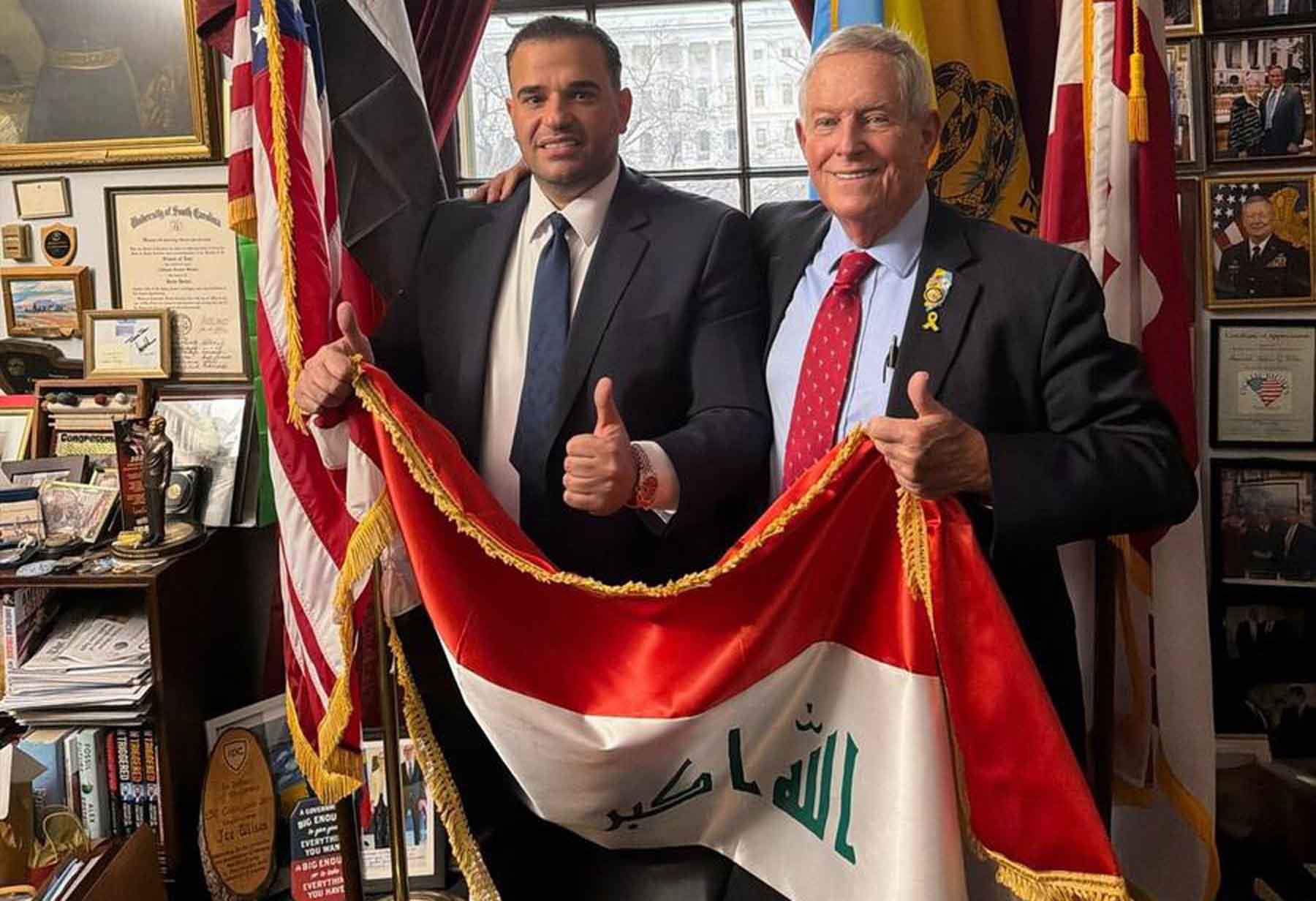
Since taking office, Savaya has sparked sustained controversy
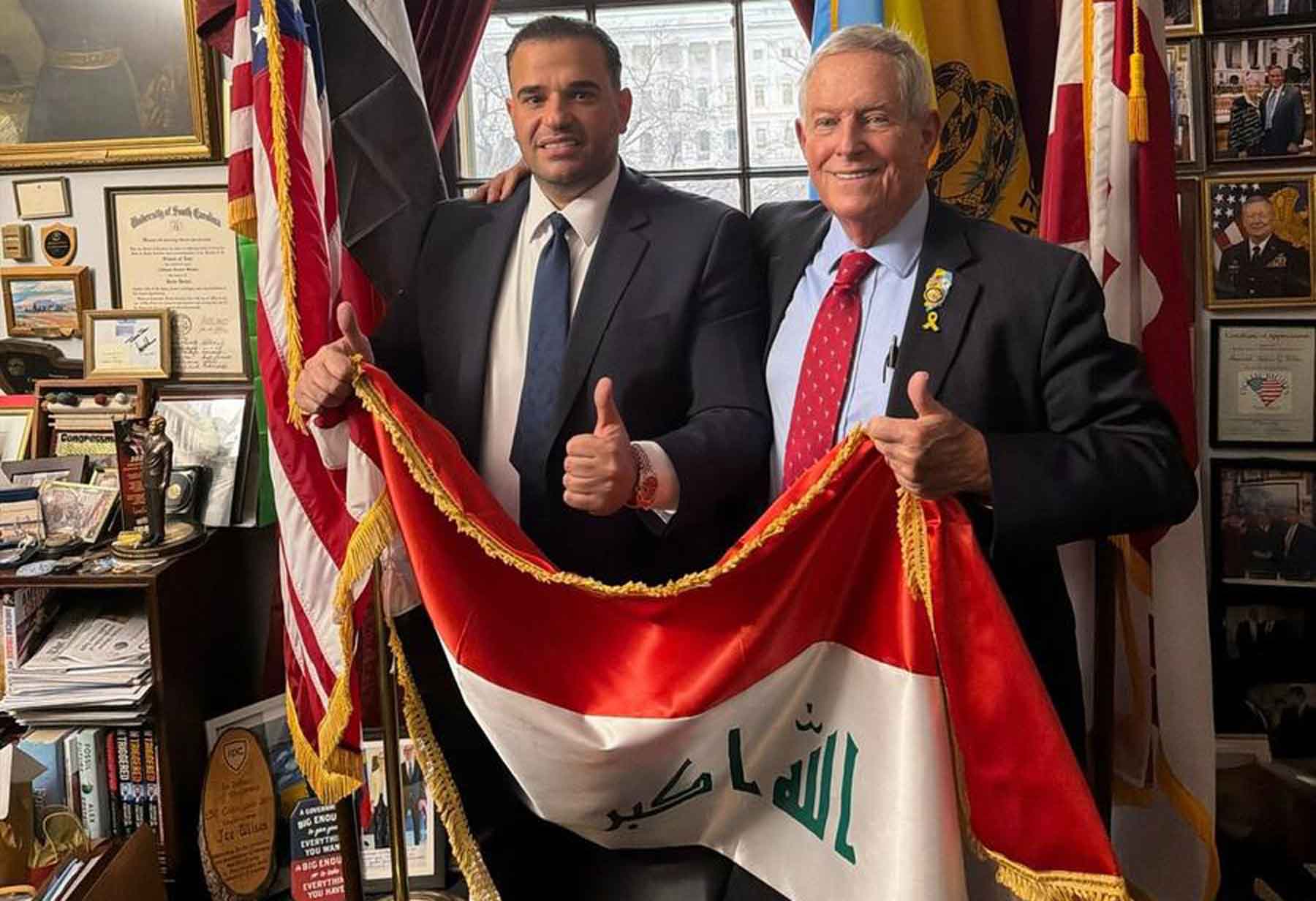
BAGHDAD – The US president’s special envoy to Iraq Mark Savaya issued a categorical denial of reports suggesting he had been removed from his post, describing the claims as part of a coordinated disinformation campaign driven by networks linked to Iran-backed militias.
The denial followed a post by Amberin Zaman, senior correspondent for the US outlet Al-Monitor, who quoted Savaya directly as saying the reports were “misleading” and originated from “networks connected to militias supported by Iran.”
Savaya’s remarks come amid growing political tension in Iraq, where pro-Iranian political forces and armed factions increasingly view the US envoy as a direct threat to their political and military interests. These groups accuse him of attempting to reshape Iraq’s internal balance of power by pressuring the government to disarm armed factions and exclude them from centres of decision-making, an agenda they say aligns with Washington’s broader strategy to curb Tehran’s influence in Baghdad.
US President Donald Trump announced Savaya’s appointment as special envoy to Iraq in October, in what was widely described at the time as an unconventional move. Savaya is only the third figure to hold such a role since 2003, following former civil administrator Paul Bremer and Brett McGurk, who played a central role during the campaign against Islamic State in 2014.
Since taking office, Savaya has sparked sustained controversy through his public statements and political messaging, both in official meetings and on social media. He has openly called for closing the file on armed factions, barring their participation in government formation, and warned that maintaining the current political arrangement could drag Iraq back into a complex cycle of crises and instability.
His political and diplomatic efforts have focused on limiting Iran’s influence in Iraq by strengthening state sovereignty and consolidating security decision-making within official institutions. Savaya has also pushed for economic and security reforms aimed at reducing Baghdad’s reliance on Tehran, while encouraging international partnerships that would give Iraq greater political and economic autonomy from regional power centres.
In recent weeks, the US envoy has stepped up his diplomatic activity, placing renewed emphasis on Iran’s influence in Iraq as Washington sharpens its rhetoric towards Tehran. His efforts have coincided with calls for the Iraqi government to adopt tougher measures against factions linked to Iran’s Islamic Revolutionary Guard Corps, against the backdrop of threats by Trump of a potential military strike on Iran.
Earlier this month, Savaya held a meeting at the White House with US Defence Secretary Pete Hegseth and counterterrorism chief Sebastian Gorka, where discussions focused on regional security, the role of armed groups and mechanisms for countering terrorist financing in Iraq.
He has also spoken publicly about launching a comprehensive review of suspicious financial payments and transfers inside Iraq, in coordination with the US Treasury Department and the Office of Foreign Assets Control. Savaya said the review aims to uncover financial networks used to undermine economic integrity and fund terrorist activities, signalling that new sanctions could be imposed on entities deemed to pose a threat to Iraq’s stability and regional security.
Against this backdrop, Iraqi political observers say the rumours surrounding Savaya’s alleged dismissal reflect the intensity of the internal and regional struggle over Iraq’s future orientation, and the mounting resistance faced by US efforts to curtail Iran’s entrenched influence in the country.