A perilous journey to get a bag of flour
Zikim.. A death trap for the starving in search of a bag of flour
Mohammed, like hundreds of others, carried no weapon and posed no threat. All he held was a hope to return with a bag of flour to ease his family’s suffering. But he was met with the bullets of the occupation.
Friday 22/08/2025
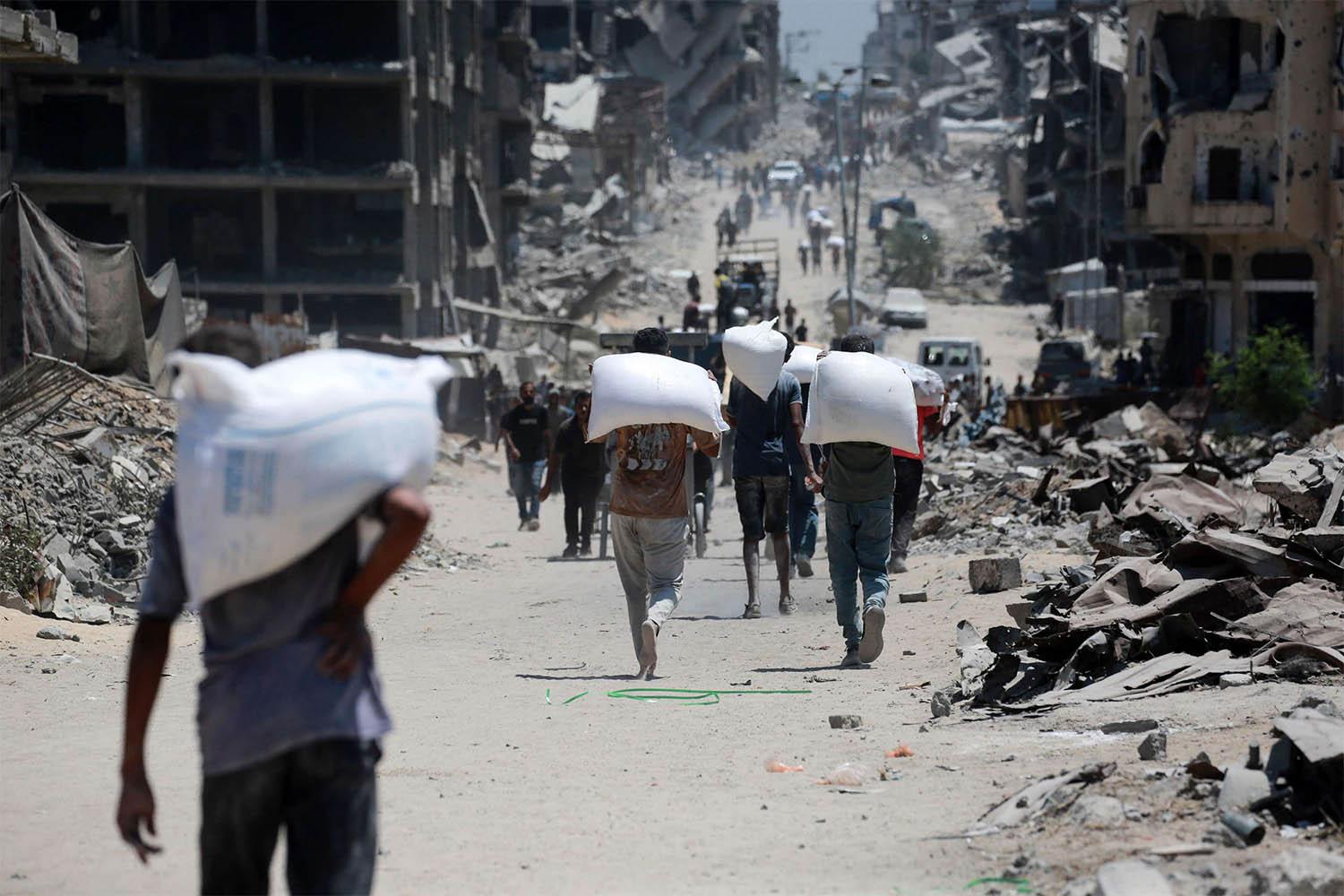
A perilous journey to get a bag of flour
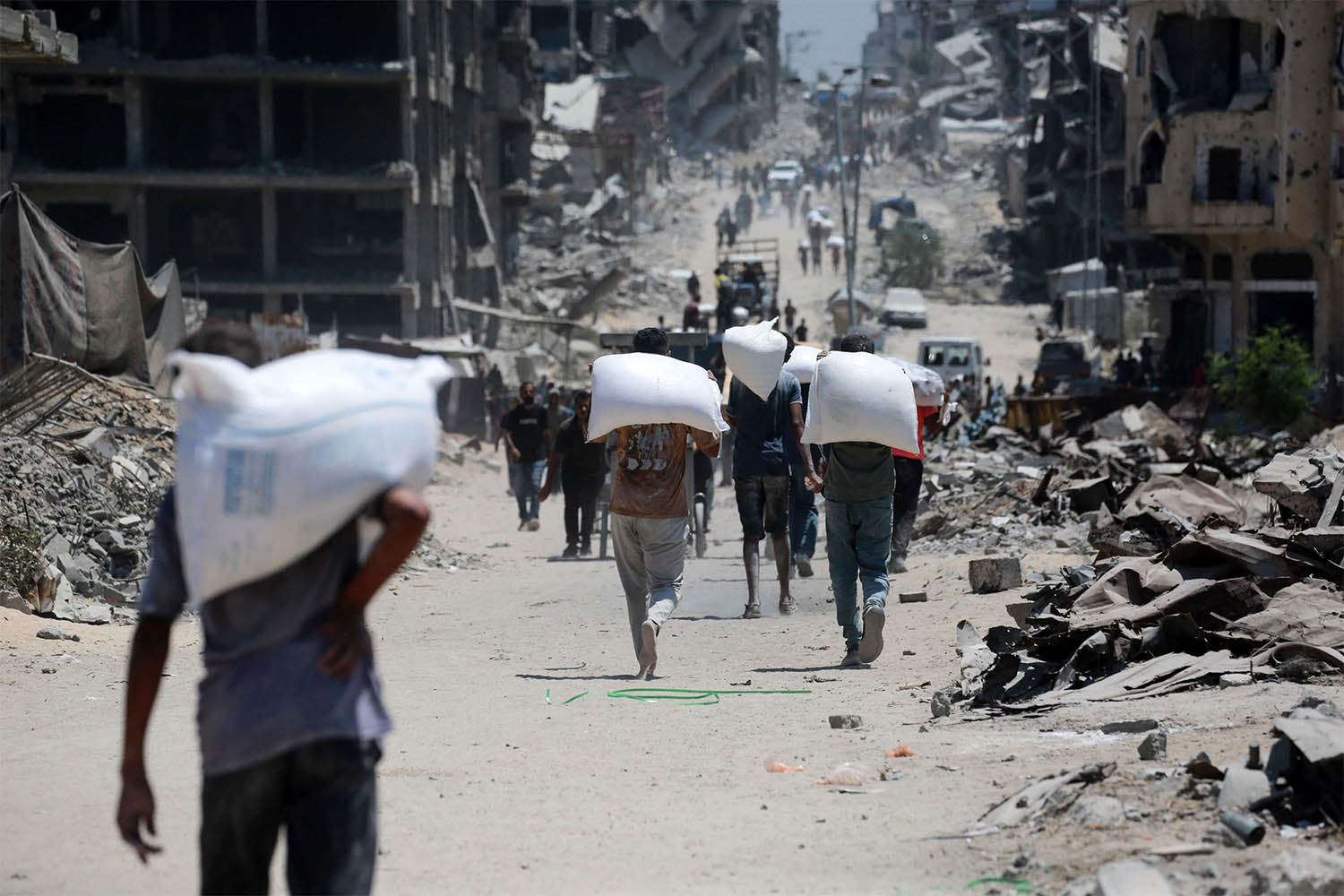
In this short distance, measuring only a few kilometers, dust mixes with the smell of gunpowder and the cries of children blend with the moans of the wounded. Anyone who decides to reach Zikim knows well that they are stepping through a corridor of death.
Live bullets are always present, and tanks and snipers leave no chance for those fleeing hunger except to bring their bodies down to the ground. Yet, people flow every day, some barefoot, others carrying empty containers in the hope of filling them with some flour, while everyone knows that many will not return.
Mohammed Al-Shantaf: A father who left in search of flour
Mohammed Al-Shantaf, a man in his thirties, never dreamed of much. All he wanted was to see the smiles of his three daughters and to reassure his pregnant wife that tomorrow might bring enough flour to fill their empty stomachs. But hunger proved stronger than his fears, so he decided to take the road to Zikim despite his family’s warnings.
His mother, her voice trembling, said:
"We had nothing left to eat at home. Mohammed went with the other young men to Zikim to get flour and feed us and his daughters. We tried to stop him because the road was dangerous, but the hunger consuming his daughters’ bodies pushed him to take the risk."
She adds, fighting back her tears:
"On the afternoon of July 27, some young men who were with Mohammed came and told us that an Israeli sniper’s bullet hit him directly in the throat and killed him. I had not yet finished mourning my first son, Ali, who was killed at the beginning of the war, when I received the news about Mohammed. It broke me."
She pauses for a moment, then continues in a broken voice:
"Mohammed was trying to provide us with food, and now he is gone too. We have no one left to support us, and the famine grows worse with each passing day. I have nothing to feed the children."
Mohammed, like hundreds of others, carried no weapon and posed no threat. All he held was a hope to return with a bag of flour to ease his family’s suffering. But he was met with the bullets of the occupation, which insists on punishing the hungry even as they search for a piece of bread.
Shadi Al-Balaawi: The survivor with the platinum-laden foot
In another neighborhood of Gaza, a similar tragedy reached the home of the Al-Balawi family. Shadi, a young man in his twenties, decided to take the same road to Zikim to secure food for his family after losing his father, who was killed by an Israeli sniper earlier.
Shadi recounts the details of that journey and says:
"On August 12, I decided to walk toward Zikim. I had no other choice but to try to ease my family’s hunger. When the trucks arrived, everyone rushed toward them. Some managed to grab a sack of flour, while others were struck by deadly bullets before they could reach it, and the flour bags were soaked in their blood."
He continues: "I jumped onto one of the trucks hoping to get a sack, but the crowd pushed me down and my foot got stuck under its wheels, which ran over it, shattering the bones in my left foot. No one noticed my injury amid the chaos. I bled until I lost consciousness and was later taken to Al-Shifa Hospital."
But his suffering did not end there: "The doctors told my family that they needed to perform an urgent operation and put platinum in my foot, but they did not find enough blood units.". My family had to search for donors at a time when hospitals were facing a severe shortage of medical supplies and medicine. After two days of intense pain, they were able to perform the surgery."
Today, Shadi is in severe pain and struggling to cope with the platinum, but his voice remains a witness to the daily massacre committed against the starving.
According to eyewitnesses, soldiers fire live bullets and artillery shells randomly at the gathered crowds, turning the area into an open massacre. Dozens of martyrs and wounded are killed daily, while there is no international response to stop these violations.
The white bags stained with blood have become a symbol of this tragedy: flour mixed with the blood of the poor, a land mined with fear and bullets, and children waiting for the return of their fathers who may never come back.
In Gaza’s overwhelmed hospitals, injuries pile up as they barely operate with minimal resources. The shortage of medicines, surgical supplies, and blood bags turns every wound into a compounded injury. Hospital doctors face dozens of critical cases daily, many of which could have been saved if basic medical tools were available.
Doctors warn that the continued shooting at starving civilians amid a medical blockade will lead to more avoidable deaths.
Faced with this reality, the people of Gaza find themselves confronted with two bitter choices: either stay at home with children crying from hunger or risk going to Zikim where the barrels of guns await them.
Mother of Mohammed says, "We only ask to live with dignity. Our children want nothing but bread. Why do they kill them while they are hungry?"
Meanwhile, Shadi adds from his hospital bed, "I will not stop trying despite my injury. If I do not go, someone else will. All of us in Gaza are fighting for a piece of bread."
On this road, the stories of grieving mothers, orphaned children, and wounded survivors intersect, their bodies carrying living testimony to the brutality of the occupation. Zikim is a path filled with death, yet it also stands as a witness to the resilience of a people who refuse to be defeated despite hunger and gunfire.