

Internal repression and external diplomacy
Crackdown intensifies in Iran as leaders pursue nuclear deal with US
The arrests, including that of Javad Emam, spokesman for the Reformist Front coalition, came days after indirect talks between Iranian and US officials in Oman.
Monday 09/02/2026
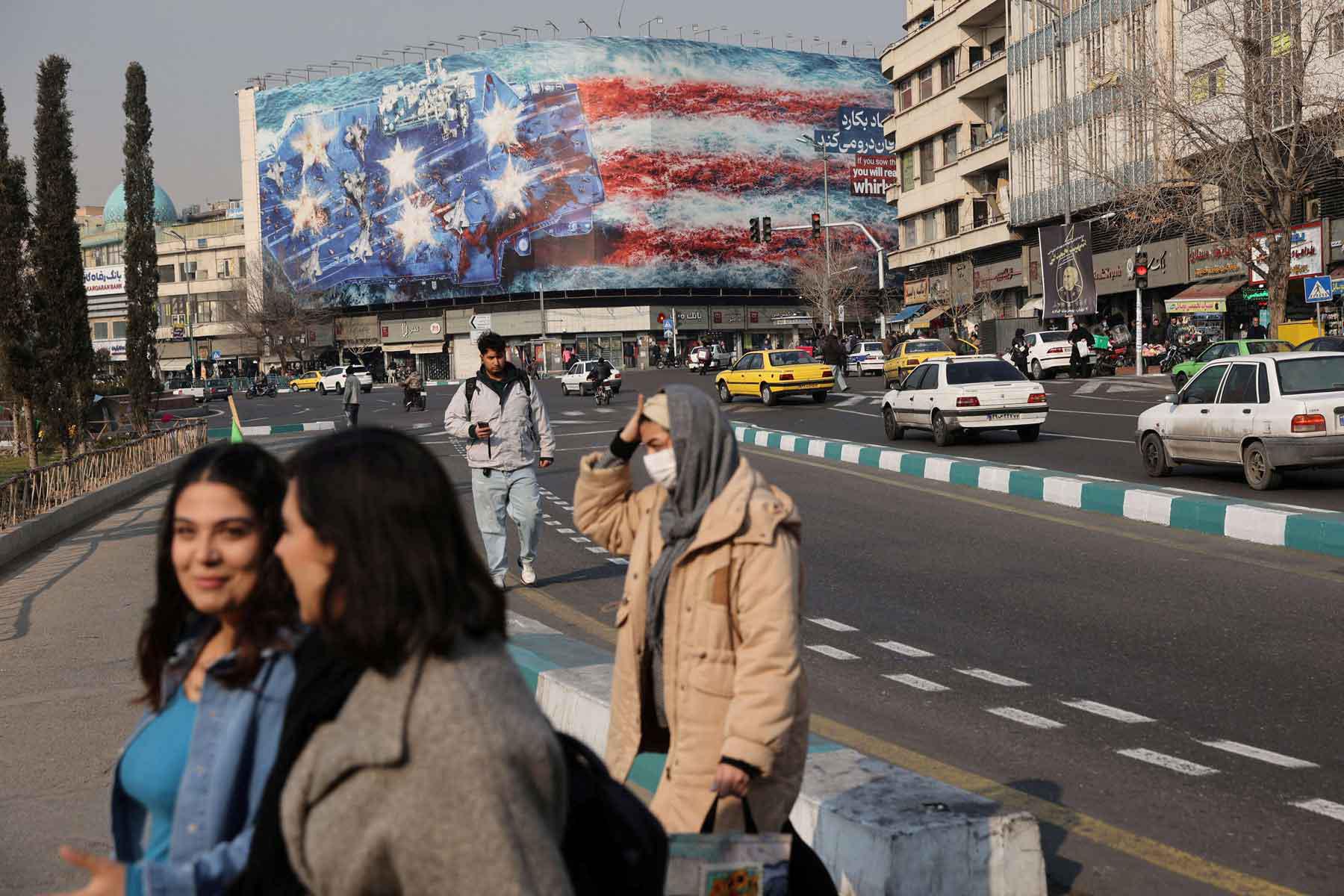
Internal repression and external diplomacy
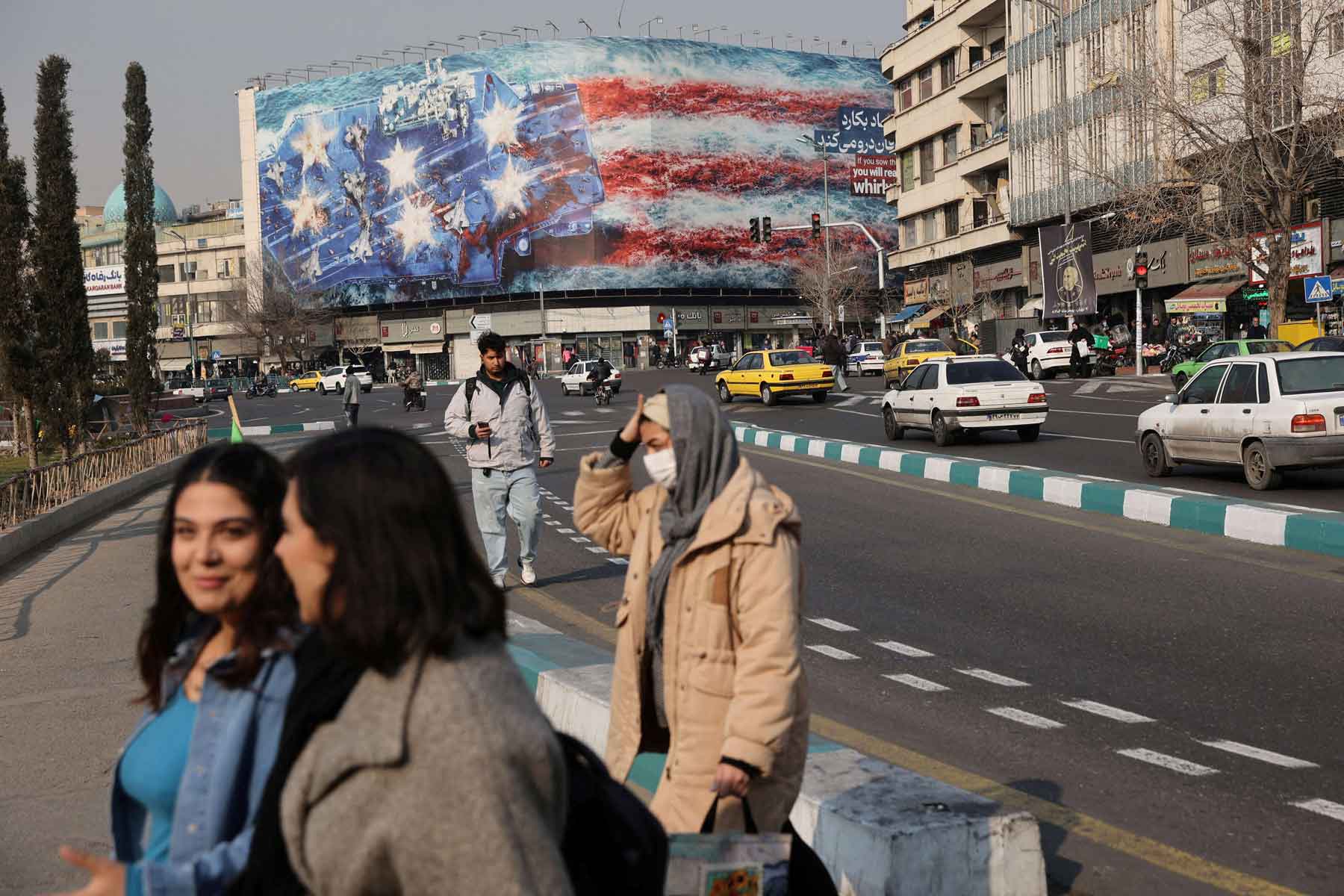
TEHRAN – Iran intensified its crackdown on dissent on Monday, arresting reformist politicians, activists and relatives of prominent opposition figures, while signalling willingness to dilute highly-enriched uranium as part of ongoing nuclear negotiations with the United States.
The arrests, including that of Javad Emam, spokesman for the Reformist Front coalition, came days after indirect talks between Iranian and US officials in Oman that both sides described as constructive, raising cautious hopes of a diplomatic breakthrough after years of escalating tensions.
Iran’s Revolutionary Guards detained Emam along with at least four other reformist figures, activists and filmmakers who had endorsed a protest statement, according to local media and reformist sources. Authorities also arrested Hossein Karoubi, son of veteran opposition leader Mehdi Karoubi, a central figure in the 2009 Green Movement who has been under house arrest for years.
The detentions follow a broader campaign against dissent after recent protests that posed one of the most serious challenges to the Islamic Republic since the 1979 revolution. Iranian authorities said more than 3,100 people were killed in the unrest, including members of the security forces and civilians, while rights groups estimate the death toll to be significantly higher and report tens of thousands of arrests.
In a separate move underscoring the widening crackdown, Nobel Peace Prize laureate Narges Mohammadi was handed additional prison sentences totalling more than seven years on charges including harming national security and spreading propaganda against the state. Already jailed for much of the past decade for her activism against capital punishment and compulsory veiling laws, she now faces the prospect of spending many more years behind bars.
Iran’s leadership has portrayed the protests as foreign-backed unrest designed to destabilise the country. Supreme Leader Ayatollah Ali Khamenei on Monday urged Iranians to demonstrate unity and resilience in the face of external pressure.
“National power is less about missiles and aircraft and more about the will and resolve of the people,” Khamenei said in a televised address. “Show it again and frustrate the enemy.”
Despite the domestic crackdown, Tehran has simultaneously signalled openness to nuclear compromise in talks with Washington, reflecting a two-track strategy of internal repression and external diplomacy aimed at easing economic pressure while maintaining political control.
Mohammad Eslami, head of Iran’s Atomic Energy Organisation, said Iran could dilute its uranium enriched to 60 percent purity if all financial sanctions imposed on the country were lifted. His remarks represent one of Tehran’s clearest indications yet that it may accept technical concessions in exchange for economic relief.
“The possibility of diluting 60 percent enriched uranium depends on whether, in return, all sanctions are lifted or not,” Eslami said, according to Iranian state media.
Diluting enriched uranium would lower its purity and extend the time required to produce weapons-grade material, potentially addressing Western concerns over Iran’s nuclear ambitions. The United Nations nuclear watchdog previously estimated Iran possessed more than 440 kilogrammes of uranium enriched to up to 60 percent, close to weapons-grade levels.
Tehran insists its nuclear programme is exclusively for civilian purposes, including energy generation and research, but the United States, Israel and European powers have long suspected Iran of seeking the capability to develop nuclear weapons.
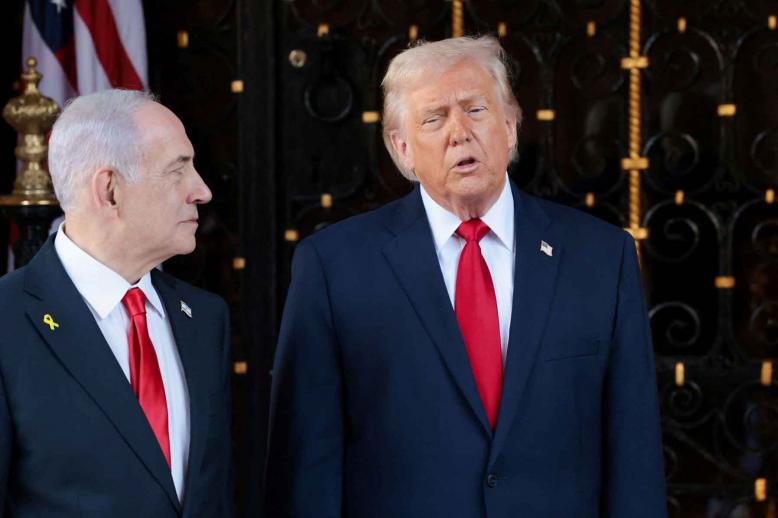
Last week’s talks in Oman marked the latest attempt to revive nuclear diplomacy amid heightened tensions following US military deployments in the region and Israeli strikes on Iranian nuclear facilities last year. US President Donald Trump has warned of possible military action if diplomacy fails but has also pursued negotiations aimed at curbing Iran’s nuclear programme.
Iranian President Masoud Pezeshkian said further talks could offer an opportunity for a “fair and balanced resolution” if Washington abandoned what he described as maximalist demands and agreed to lift sanctions.
However, significant obstacles remain. Washington has pushed for broader restrictions that include Iran’s ballistic missile programme and regional alliances, while Tehran has rejected expanding negotiations beyond the nuclear issue, viewing its missile capabilities as essential for national defence.
Ali Larijani, a senior adviser to Khamenei and a former national security chief, is due to visit Oman this week to continue diplomatic contacts, underlining the importance Tehran places on mediation by Gulf states.
The parallel pursuit of negotiations abroad and repression at home highlights the delicate balancing act facing Iran’s leadership, which is seeking economic relief from sanctions while maintaining tight control over domestic political dissent.
The outcome of the talks could reshape Iran’s economic trajectory and its relations with the West, while the internal crackdown underscores the authorities’ determination to prevent renewed unrest as the country navigates a critical diplomatic moment.