

Netanyahu still unsure of Trump’s plan on Iran
Netanyahu rushes to Washington to urge tougher US stance on Iran
Israel fears that any agreement lifting sanctions without restricting Iran’s missile programme or regional influence would strengthen Tehran economically and strategically.
Monday 09/02/2026
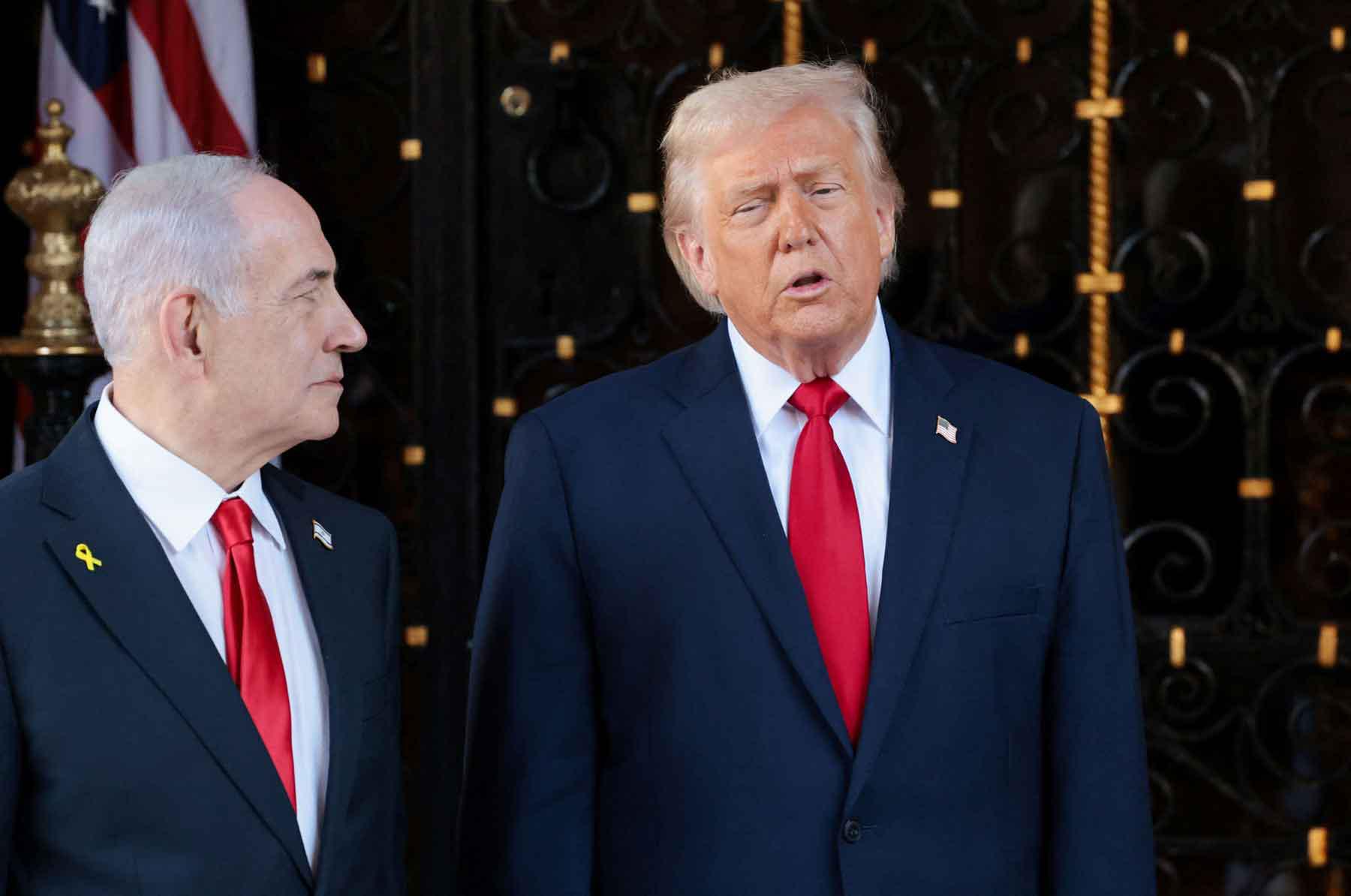
Netanyahu still unsure of Trump’s plan on Iran
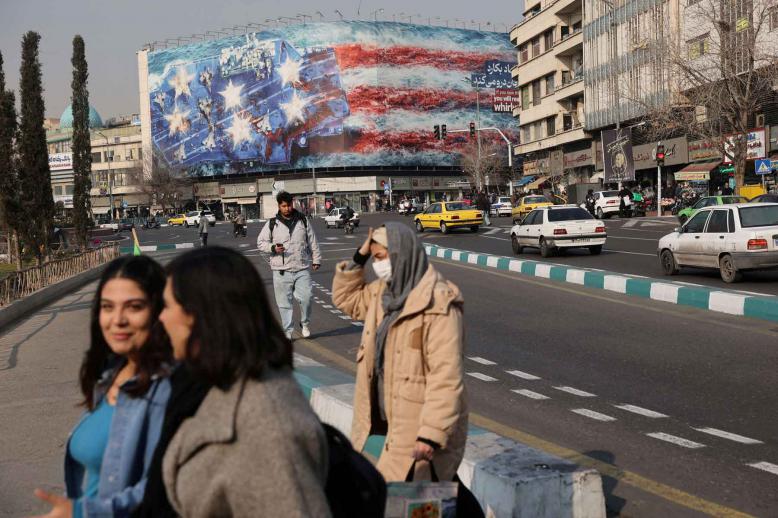
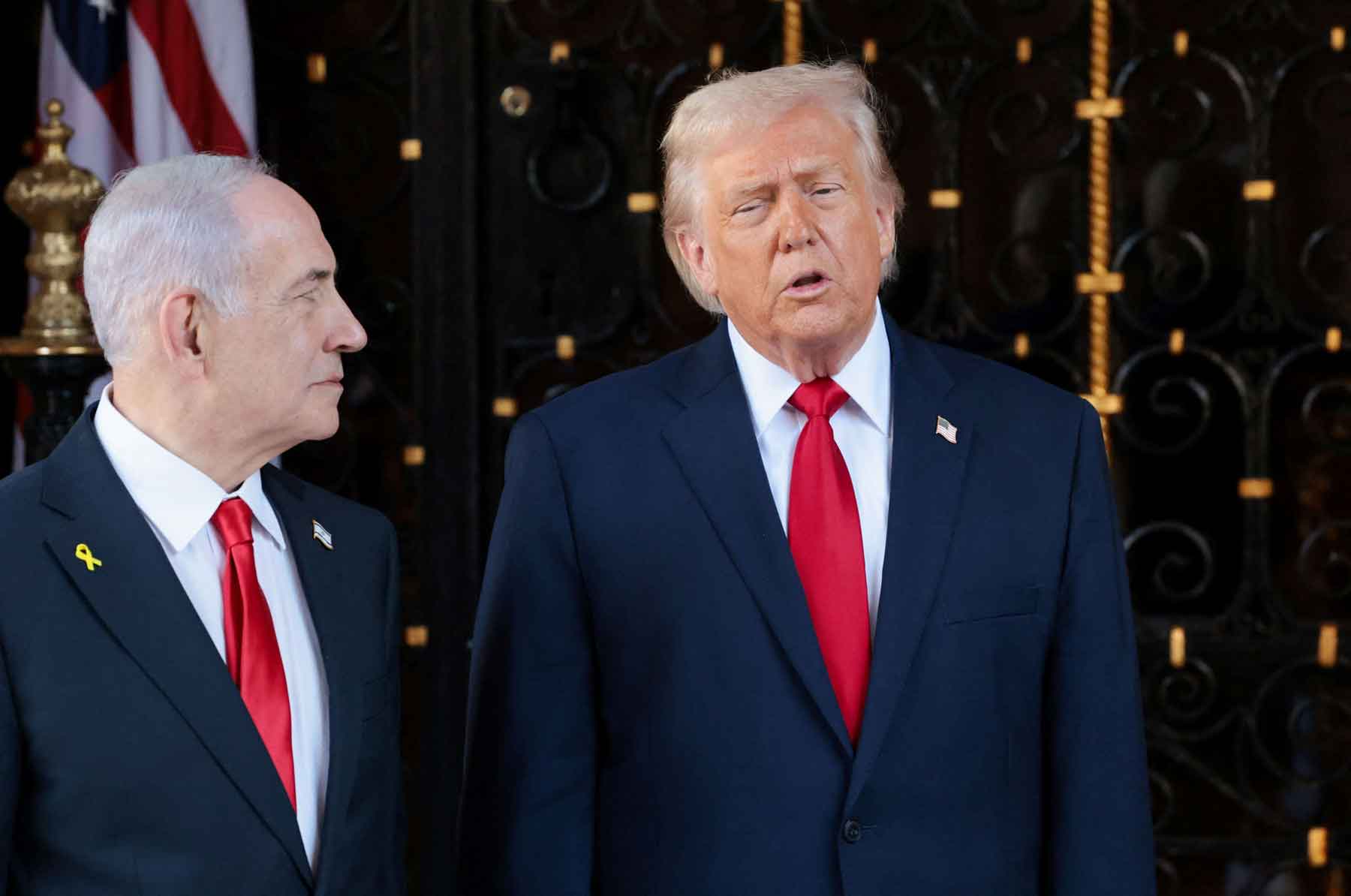
JERUSALEM / WASHINGTON – Israeli Prime Minister Benjamin Netanyahu has brought forward his visit to Washington, where he is due to meet US President Donald Trump on Wednesday, in what officials and analysts describe as a last-ditch effort to influence the course of US-Iran negotiations that Israel fears could threaten its security.
Netanyahu is scheduled to depart for the United States on Tuesday, earlier than originally planned, reflecting growing urgency in Israel over diplomatic momentum between Washington and Tehran following initial indirect talks held in Oman last week.
The Israeli prime minister’s office said Netanyahu believes any agreement with Iran must extend beyond curbing Tehran’s nuclear programme to include strict limits on its ballistic missile capabilities and an end to its support for allied armed groups across the region.
The meeting will mark the seventh encounter between Netanyahu and Trump since the US president returned to office early last year, underscoring the close but sometimes complex relationship between the two leaders as they navigate one of the region’s most sensitive security challenges.
Israeli concerns over US diplomatic direction
Israeli officials and media reports point to deep uncertainty in Tel Aviv over Trump’s intentions, amid concerns that Washington could pursue a nuclear-focused agreement that Israel views as insufficient to neutralise the broader threat posed by Iran.
Israeli newspaper Maariv said there was “profound uncertainty” within Israel’s leadership over the direction of US policy, warning that an incomplete diplomatic or military approach could embolden Iran.
Israel fears that any agreement lifting sanctions without restricting Iran’s missile programme or regional influence would strengthen Tehran economically and strategically, allowing it to rebuild capabilities and project greater power across the Middle East.
Israeli officials have repeatedly warned Washington that ballistic missiles represent a critical “red line,” noting that Iran is believed to possess around 1,800 missiles and dozens of launch platforms. Israel views further expansion of this arsenal as an existential threat.
The Israeli Broadcasting Authority said Netanyahu’s primary objective is to influence US negotiating positions ahead of further talks with Iran expected in the coming days, ensuring Israeli security priorities remain central to any agreement.
Pressure on Trump amid fast-moving diplomacy
Israeli daily Yedioth Ahronoth described Netanyahu’s expedited trip as an attempt to pressure Trump to limit concessions to Tehran and avoid prolonged negotiations that could allow Iran to strengthen its nuclear and missile capabilities.
Trump has repeatedly framed the negotiations as an opportunity to secure a landmark agreement with Iran, potentially surpassing the 2015 nuclear deal negotiated under President Barack Obama. However, Israel remains sceptical, fearing a deal that addresses nuclear enrichment but leaves Iran’s missile arsenal and regional alliances intact.
Israeli officials are also concerned that sanctions relief could stabilise Iran’s economy, enabling Tehran to resume oil exports, ease domestic pressures, and reinforce its strategic position across the region.
Tehran, for its part, insists that sanctions relief must accompany any restrictions on its nuclear programme and has warned it would respond forcefully to any military attack. Iranian leaders also accuse Washington and Israel of using diplomacy as a cover for military pressure or regime change.
Gaza, arms and regional military balance
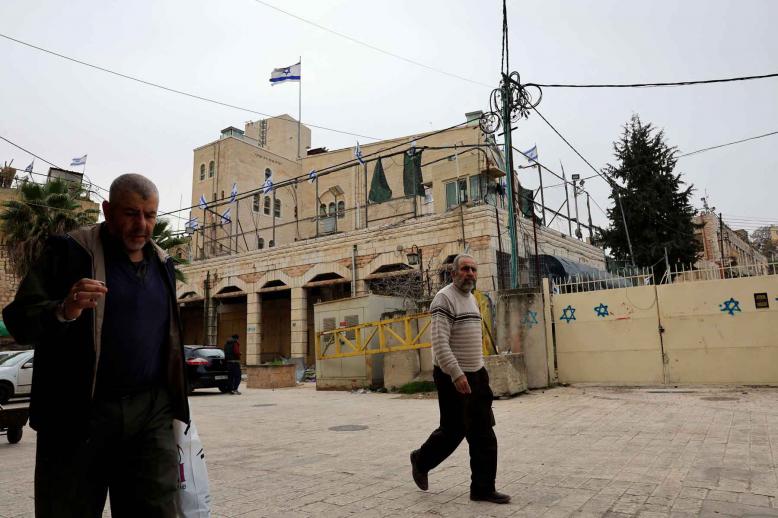
Beyond Iran, Netanyahu’s visit is also expected to address the war in Gaza and broader regional military dynamics. Israel remains firmly opposed to reconstruction efforts in Gaza unless Hamas is fully disarmed, reflecting its determination to reshape the enclave’s post-war security environment.
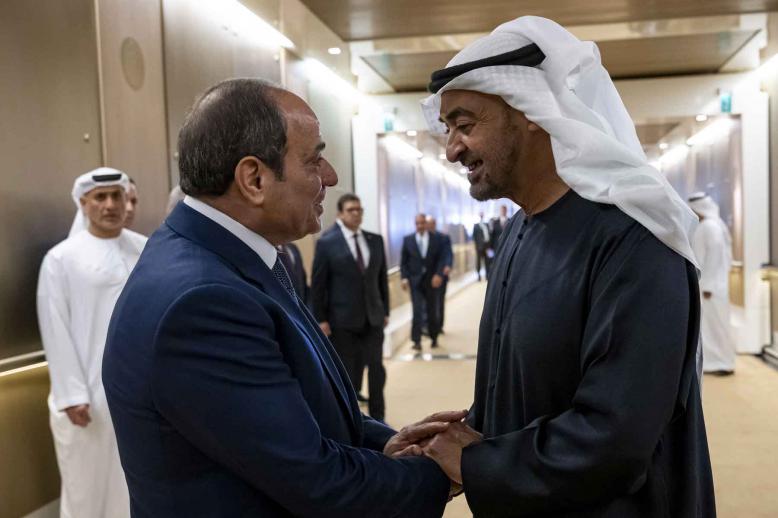
Israeli and US officials are also discussing maintaining Israel’s qualitative military edge, particularly amid reports of potential US arms sales, including advanced F-35 fighter jets, to regional powers such as Saudi Arabia and Turkey.
The White House is reportedly preparing further diplomatic initiatives related to Gaza and regional stabilisation, adding another layer of complexity to Netanyahu’s Washington visit.
Strategic stakes
The urgency surrounding Netanyahu’s trip reflects Israel’s fear that Washington and Tehran could reach an agreement without fully addressing Israeli security concerns, potentially reshaping the strategic balance in the Middle East.
For Trump, a diplomatic breakthrough with Iran could represent a defining foreign policy achievement. For Netanyahu, however, ensuring that any agreement constrains Iran’s missile programme and regional influence remains a strategic imperative.
With negotiations advancing and military tensions still simmering, Netanyahu’s talks in Washington could play a decisive role in determining whether diplomacy, deterrence or confrontation defines the next phase of the US-Iran standoff.