

Reasserting control?
Hamas-linked unit intensifies crackdown on collaborator cells in Gaza
Radea said the operations were part of an ongoing campaign aimed at dismantling networks accused of working on behalf of the Israeli military.
Monday 02/02/2026
Reasserting control?
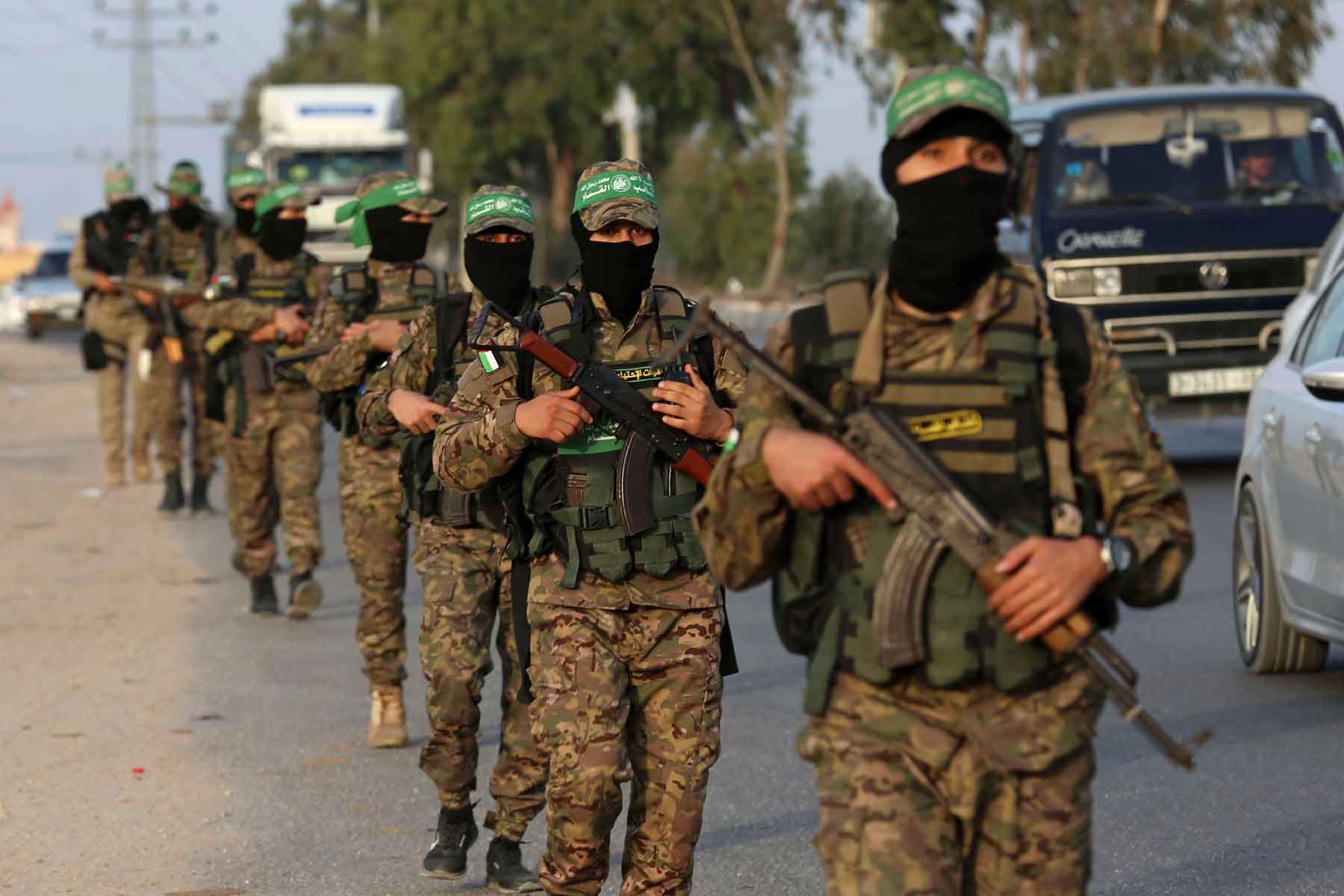
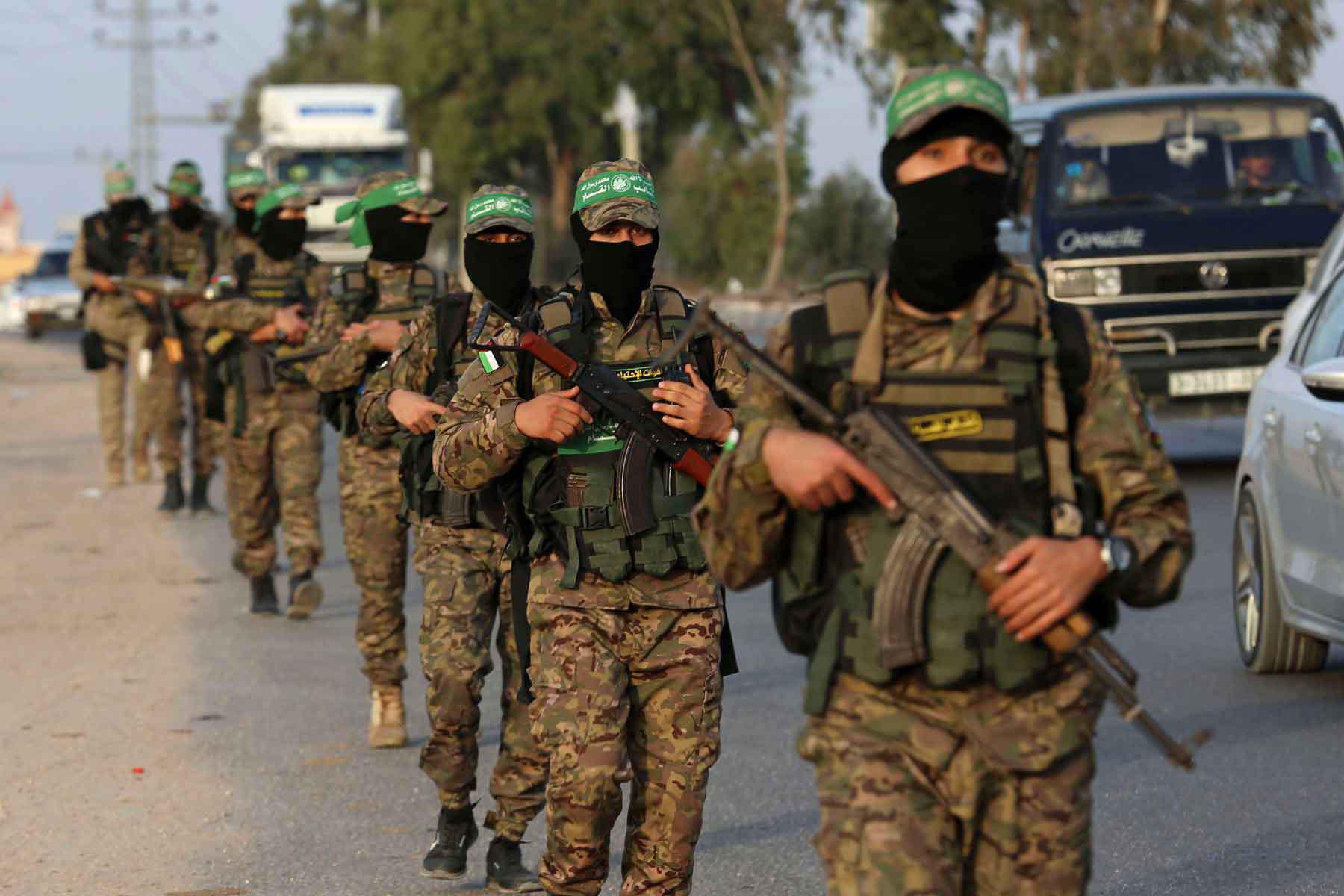
GAZA CITY – A security body affiliated with the Palestinian Hamas movement, known as the Radea unit, has announced a series of field operations that resulted in deaths and injuries among groups accused of collaborating with Israel, following two separate ambushes carried out in Khan Younis and Gaza City.
According to information released by the group, fighters engaged in a direct confrontation with members of an alleged collaborator cell in Khan Younis. The clash reportedly ended with the sudden withdrawal of the group’s members after sustaining losses, leaving behind weapons and military equipment. The area was subsequently secured and the abandoned materiel seized.
A similar operation was carried out in Gaza City, where another cell was targeted in a coordinated ambush. Security forces said they took control of military gear and communication devices allegedly used in activities described as undermining internal security. Radea said the operations were part of an ongoing campaign aimed at dismantling networks accused of working on behalf of the Israeli military.
In a statement, the security body said it would continue pursuing such groups across the Gaza Strip despite difficult battlefield conditions and mounting security challenges. It also pointed to what it described as broad public backing, stressing that Gaza’s population rejects practices seen as threatening national security or violating a widely held social consensus.
Local sources reported that a number of recent operations have included summary executions of individuals suspected of collaborating with Israel, as part of a broader security drive intended to deter similar activities in the future. These measures have sparked intense debate among Palestinians over security, due process and the limits of internal enforcement under wartime conditions.
In a related development, activists circulated a video showing Ghassan al-Dahini, who reportedly assumed leadership of the so-called Popular Forces after the killing of their former leader Yasser Abu Shabab, assaulting a field commander from Hamas’s armed wing in Rafah before later handing him over to Israeli forces, according to Palestinian sources.
Previous media reports have suggested that Israel has provided support to several armed groups operating inside Gaza as part of a broader effort to weaken Hamas’s authority and remove it from power. These groups are said to be active in areas under Israeli control beyond what is known as the Yellow Line.
The issue gained further attention after statements by figures linked to these groups indicated their involvement in a joint political and security project aimed at imposing full control over the territory under the banner of a “new Gaza”, remarks that triggered widespread controversy within Palestinian circles.
Radea had announced in December the killing of Yasser Abu Shabab, described as one of the most prominent leaders of armed groups accused of cooperating with Israel. Since the announcement of a ceasefire, Hamas has intensified its internal security campaign against such factions, seeking to demonstrate its ability to enforce discipline and reassert control, amid growing calls for de-escalation and the reorganisation of the Palestinian political landscape.