

A need to open channels of dialogue
Iraqi delegation engages Kurdish leaders to break presidential deadlock
According to Iraq’s constitution, the president must be elected within thirty days of the parliament’s first session.
Monday 02/02/2026
A need to open channels of dialogue
BAGHDAD – With Iraq approaching a critical constitutional deadline for electing a new president, the Shia Coordination Framework has initiated a high-profile political effort aimed at ending the deadlock, opening direct channels of dialogue with Kurdish leadership in the Kurdistan Region in the hope of reaching a consensus amid ongoing political and security challenges.
Secretary-General of the Coordination Framework Abbas al-Mousawi announced on Monday that a senior political delegation would travel to Erbil and Sulaymaniyah to meet leaders of the Kurdistan Democratic Party (KDP) and the Patriotic Union of Kurdistan (PUK). The mission seeks to reconcile differences between the two parties competing for the presidency, a step deemed particularly urgent in light of regional instability that directly impacts Iraq’s domestic stability and the process of government formation.
The delegation includes prominent figures such as outgoing Prime Minister Mohammed Shiaa al-Sudani, head of the Badr Organisation Hadi al-Amiri and leader of the Al-Asas coalition Mohsen al-Mandalawi.
Mousawi stressed that the initiative follows a decision taken at the Coordination Framework’s most recent meeting, reflecting the body’s belief in the necessity of a negotiated agreement between the Kurdish parties to ensure the presidential file is resolved within the constitutionally mandated timeframe.
KDP member Wafa Mohammed confirmed to Iraqi Kurdish outlet Shafaq News that the delegation is expected in Erbil to discuss the presidential impasse and revive the stalled political process, which has been hindered by intra-Kurdish disputes and delayed the formation of the new government.
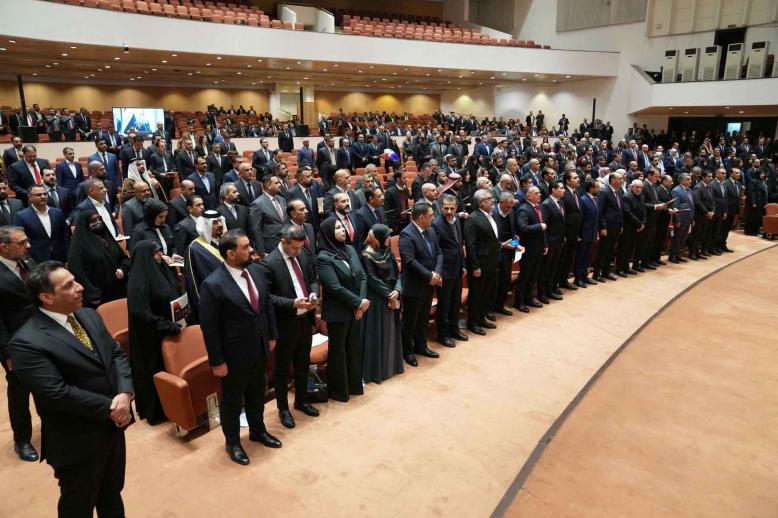
According to Iraq’s constitution, the president must be elected within thirty days of the parliament’s first session. With the inaugural session held on December 29, 2025, the constitutional window is set to close on the night of January 28, intensifying political pressure on all parties involved.
The presidential race is currently dominated by KDP candidate Fuad Hussein and PUK candidate Nizar Amidi, following a vetting process by Iraq’s judiciary and parliament that reduced the field from more than forty hopefuls to a final fourteen who met the legal requirements.
This competition follows long-established political norms in Iraq since 2005, which allocate key state positions along ethno-sectarian lines: the presidency to the Kurdish community, the prime ministership to Shia blocs, and the parliamentary speakership to Sunni groups. Historically, the PUK has held a dominant share of the presidency through figures such as Jalal Talabani, Fuad Masum, Barham Salih and Abdul Latif Rashid, reinforcing the perception of the office as traditionally aligned with that party.
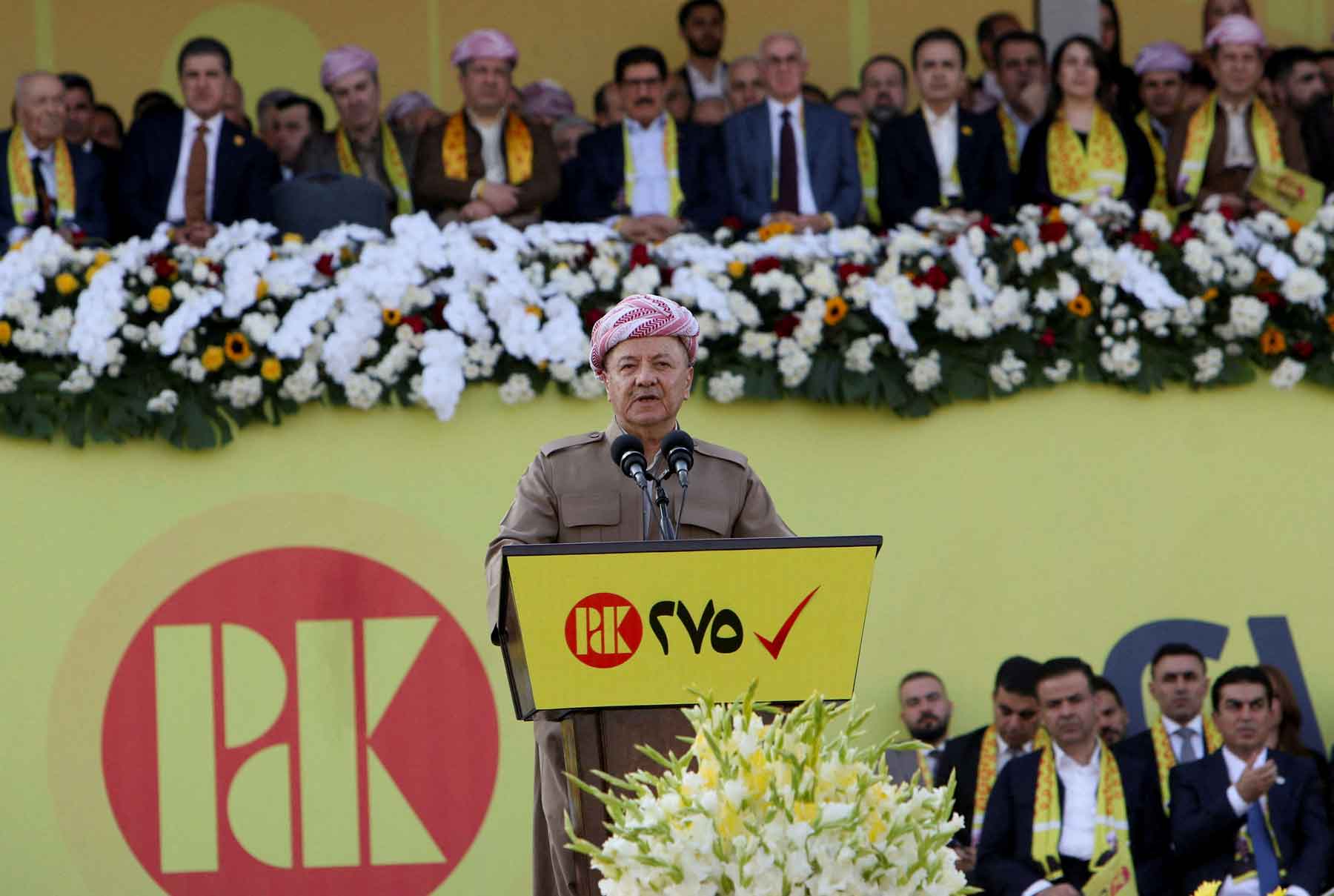
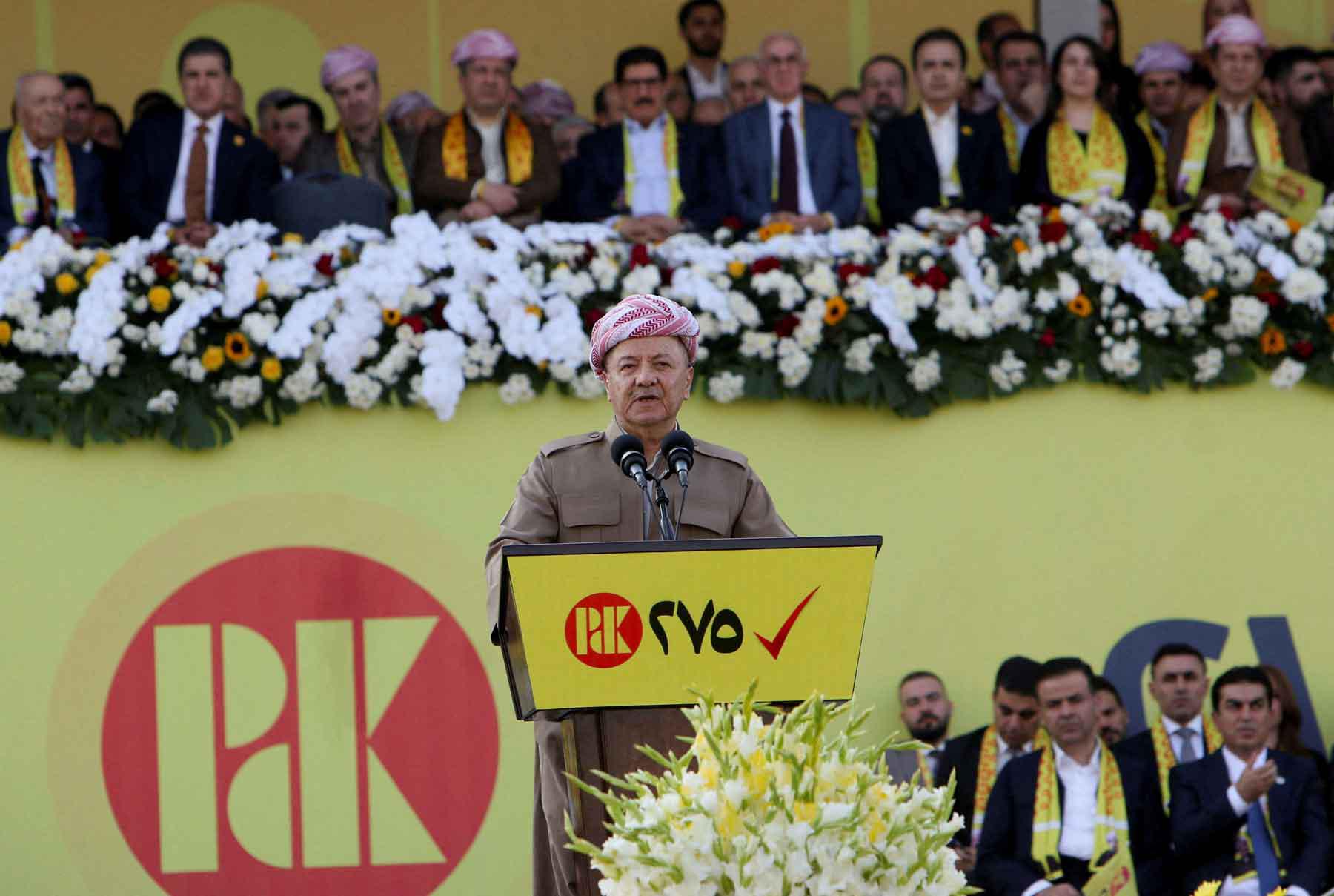
The KDP’s recent active entry into the contest has disrupted this balance, introducing a new dynamic into intra-Kurdish politics. Last month, KDP leader Masoud Barzani called for a review of the presidential selection mechanism, proposing a framework that ensures broader Kurdish consensus and a candidate acceptable to all factions, moving away from the previous model dominated by a single party.
As the constitutional deadline looms, Baghdad now faces intensified political negotiations aimed at reconciling competing Kurdish claims while safeguarding Iraq’s broader political stability and government formation process.