

A vibrant and strategic exchange
High-level UAE-Kuwait talks fortify Gulf partnership
UAE and Kuwait see any regional escalation as having direct implications for Gulf security, making strategic coordination not just prudent but essential.
Thursday 29/01/2026
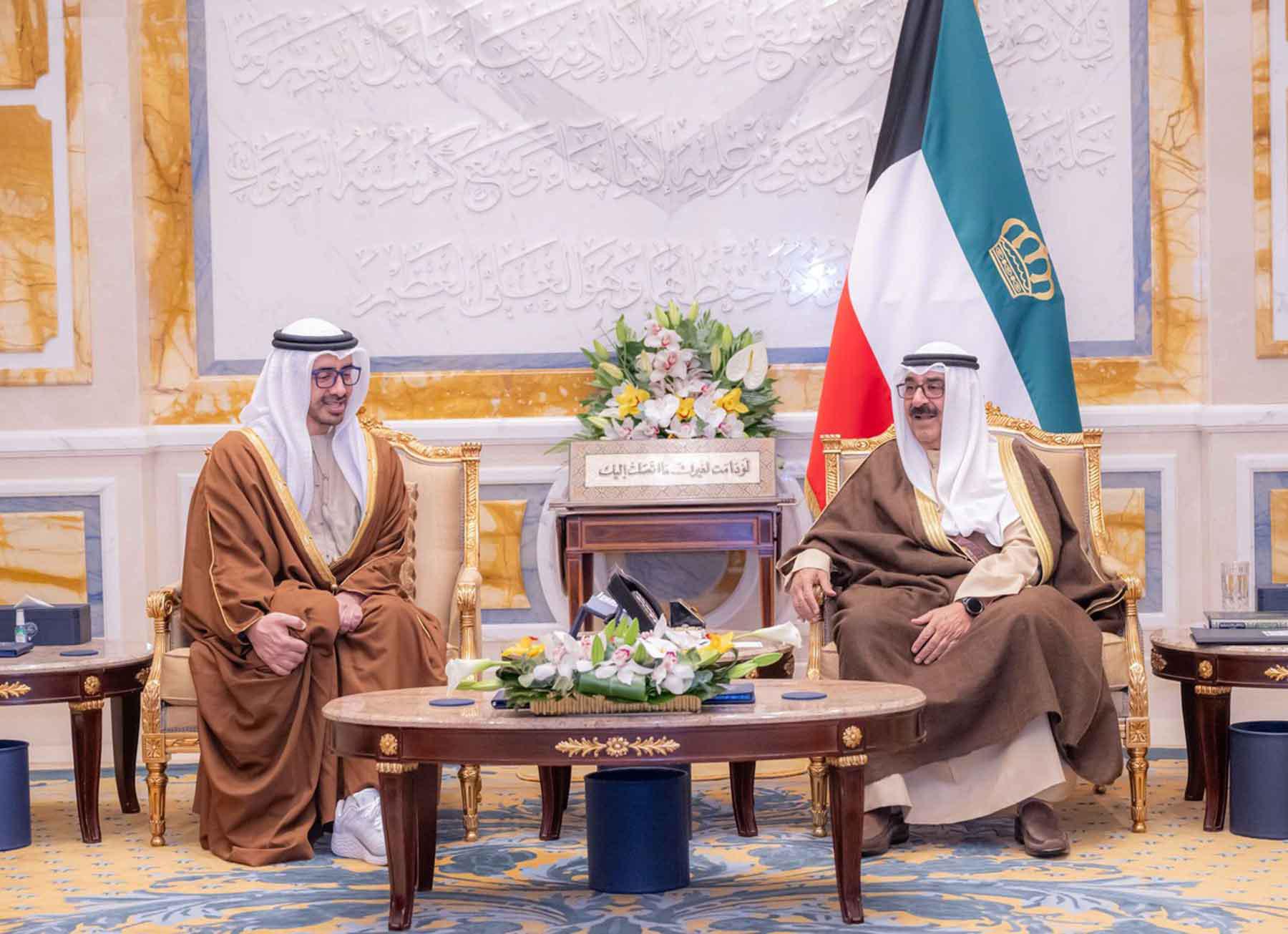
A vibrant and strategic exchange
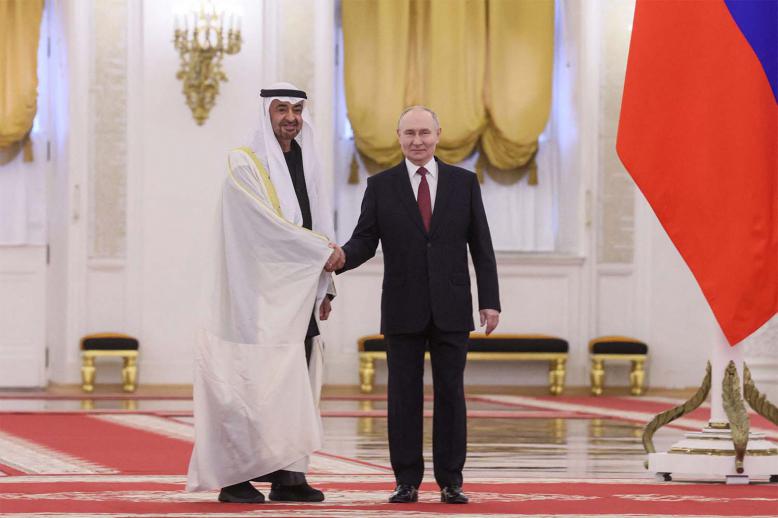
ABU DHABI – In a display of close bilateral coordination, UAE President Sheikh Mohamed bin Zayed Al Nahyan received Kuwaiti Defence Minister Abdullah Ali Al-Abdullah Al-Salem Al-Sabah in Abu Dhabi, as the minister participated in the week-long "UAE and Kuwait … Brothers Forever" event. The visit, while ceremonial in appearance, carries significant political and security implications amid a delicate regional environment.
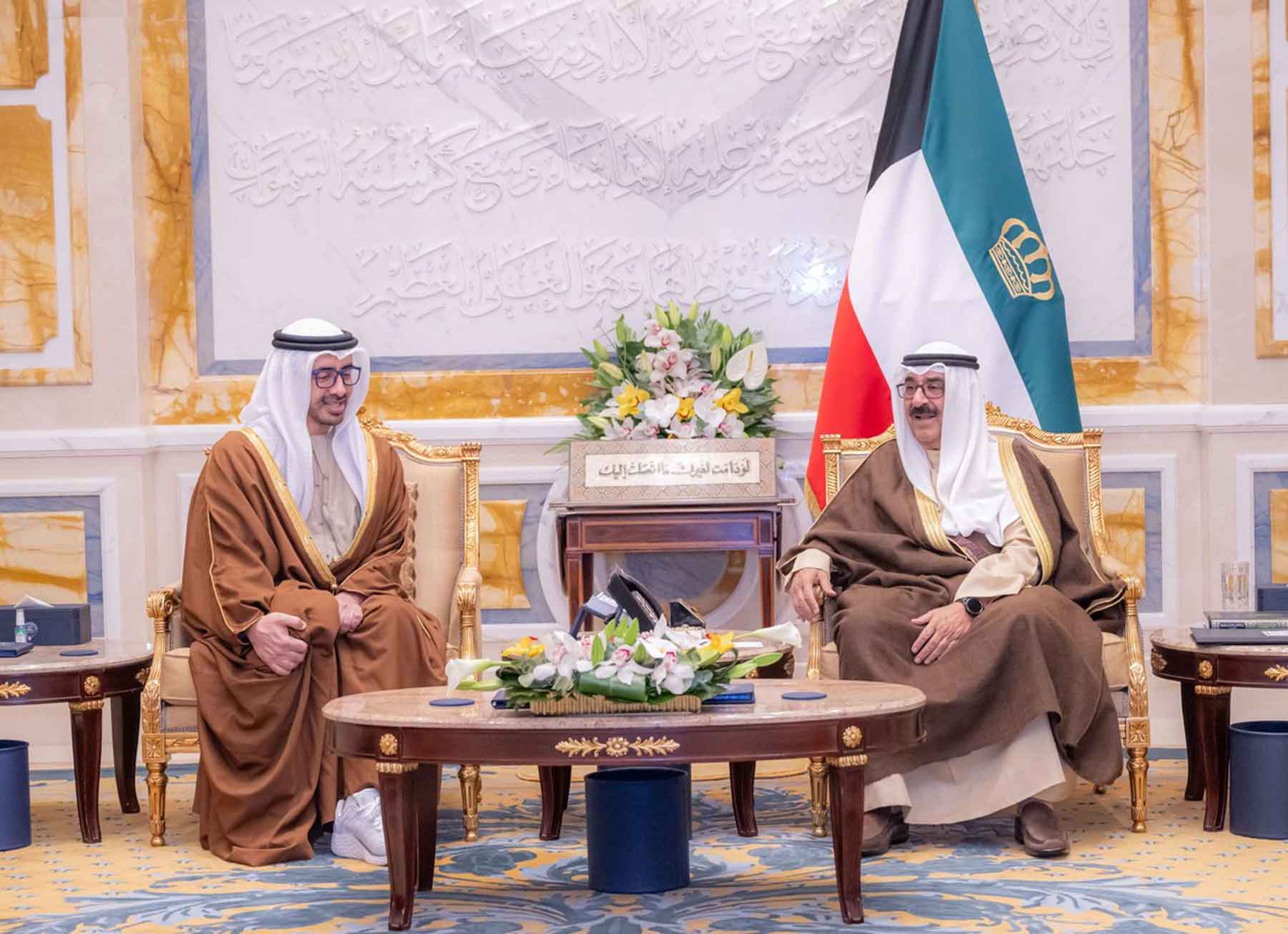
The Kuwaiti minister’s trip coincided with a reciprocal visit by UAE Foreign Minister Sheikh Abdullah bin Zayed to Kuwait on Wednesday, during which he met His Highness the Emir Sheikh Mishal Al-Ahmad and senior officials at Bayan Palace. This simultaneous diplomatic activity reflects a vibrant and strategic exchange, reinforcing the enduring strength of UAE-Kuwait relations.
During the Abu Dhabi meeting, Sheikh Mohamed and Sheikh Abdullah discussed the brotherly ties between their nations, pathways for joint cooperation, and ways to further strengthen collaboration across political, economic and security sectors. They also addressed pressing regional developments and international matters of mutual interest, underscoring that UAE-Kuwait coordination has become an integral part of a comprehensive approach to navigating the rapidly evolving Middle Eastern landscape.
The visit takes on added significance at a time of rising security challenges in the region, stretching from the Gulf to the Red Sea. It highlights the leaderships’ focus on reinforcing defence and security coordination, an essential pillar of mutual trust and a cornerstone of Gulf collective security.
Meanwhile, the UAE foreign minister’s engagements in Kuwait represented the reciprocal aspect of this strategic dialogue. Sheikh Abdullah bin Zayed held discussions with the Crown Prince Sabah Al-Khalid Al-Sabah and Prime Minister Sheikh Ahmad Al-Abdullah, focusing on enhancing political, economic and developmental cooperation, as well as exchanging perspectives on regional and international affairs.
The high-level meetings reflect a phase of advanced political coordination between Abu Dhabi and Kuwait, based on continuous consultation, trust and joint management of sensitive issues. The bilateral relationship has evolved from traditional diplomatic ties into a strategic partnership responsive to regional and global shifts.
This intensive diplomatic activity occurs against the backdrop of heightened US-Iran tensions, with threats of military action from Washington and counter-warnings from Tehran, alongside domestic unrest in Iran triggered by the collapsing rial and worsening living conditions under international sanctions.
In this charged environment, the UAE-Kuwait exchanges send a clear political signal: Gulf states are consolidating their internal cohesion and safeguarding mutual interests in a turbulent regional landscape. Their coordination reflects a broader vision for Gulf security, emphasising prudence and strategic integration rather than reactive measures.
The visits also underscore a shared commitment to the GCC framework, recognising it as the primary vehicle for safeguarding collective interests and enhancing regional crisis management capabilities. UAE and Kuwait see any regional escalation as having direct implications for Gulf security, making strategic coordination not just prudent but essential.
Economic and developmental cooperation formed another key pillar of the meetings, highlighting both countries’ determination to build comprehensive partnerships that go beyond politics and security. By deepening trade, investment and sustainable development links, the UAE and Kuwait acknowledge that economic stability forms the first line of defence against regional volatility.
Politically, these moves convey a message of measured dialogue in a region increasingly divided and tense. While global powers exchange threats and crises intensify across multiple fronts, the UAE and Kuwait are promoting dialogue, coordination and open channels of communication within the Gulf framework and with international and regional stakeholders.
The reciprocal visits mark a significant milestone in UAE-Kuwait relations, reaffirming a partnership capable of adapting to changing circumstances. They also reflect a shared vision for Gulf Cooperation Council engagement, positioning both nations as proactive partners in safeguarding regional stability and strengthening collective Gulf action at a time when regional escalation demands heightened coordination and prudence.