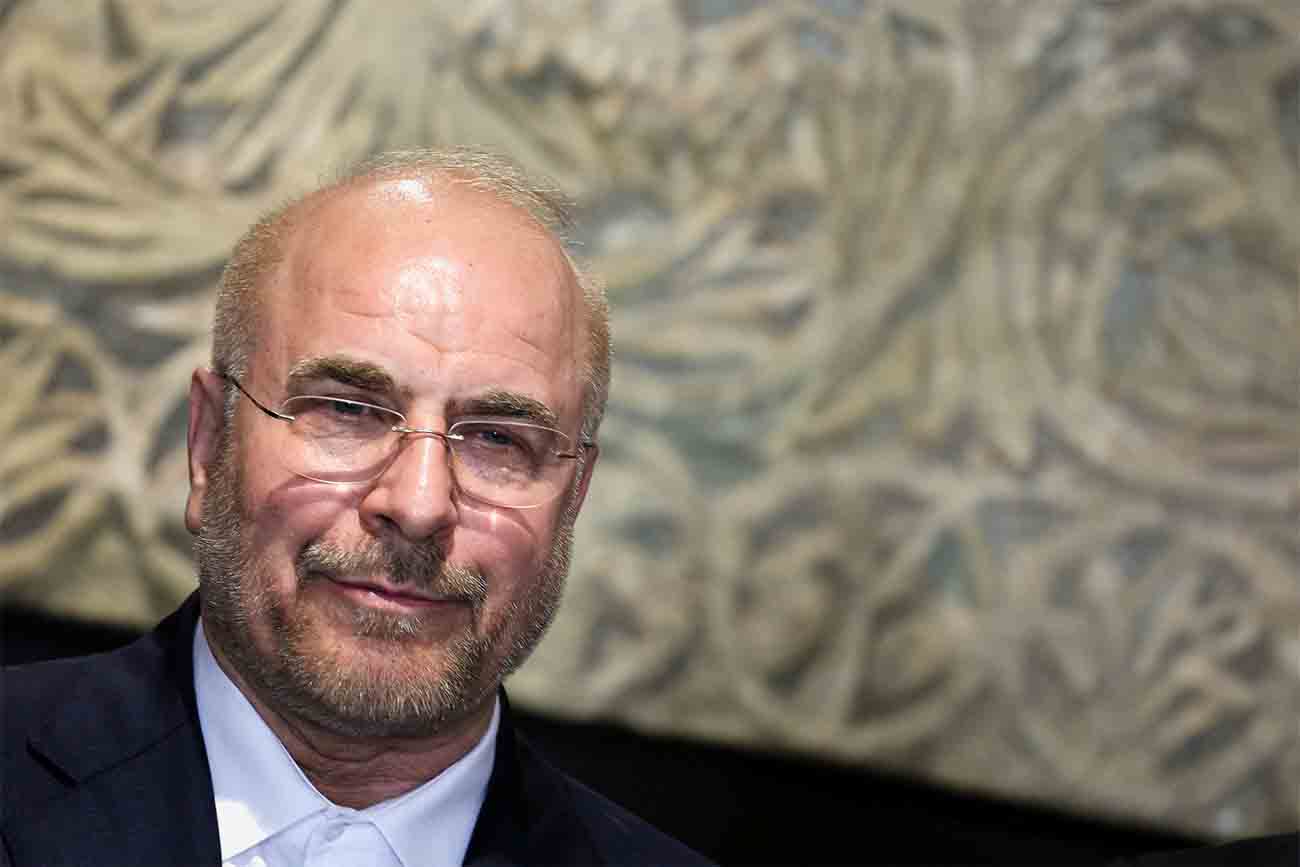
Iranian Parliament Speaker Mohammad Baqer Qalibaf
Iran’s illusion of unity: How the speaker’s race unmasked a crumbling regime
The Iranian regime faces a perfect storm of economic collapse, international isolation, and a deep crisis of legitimacy at home.
Thursday 28/05/2026
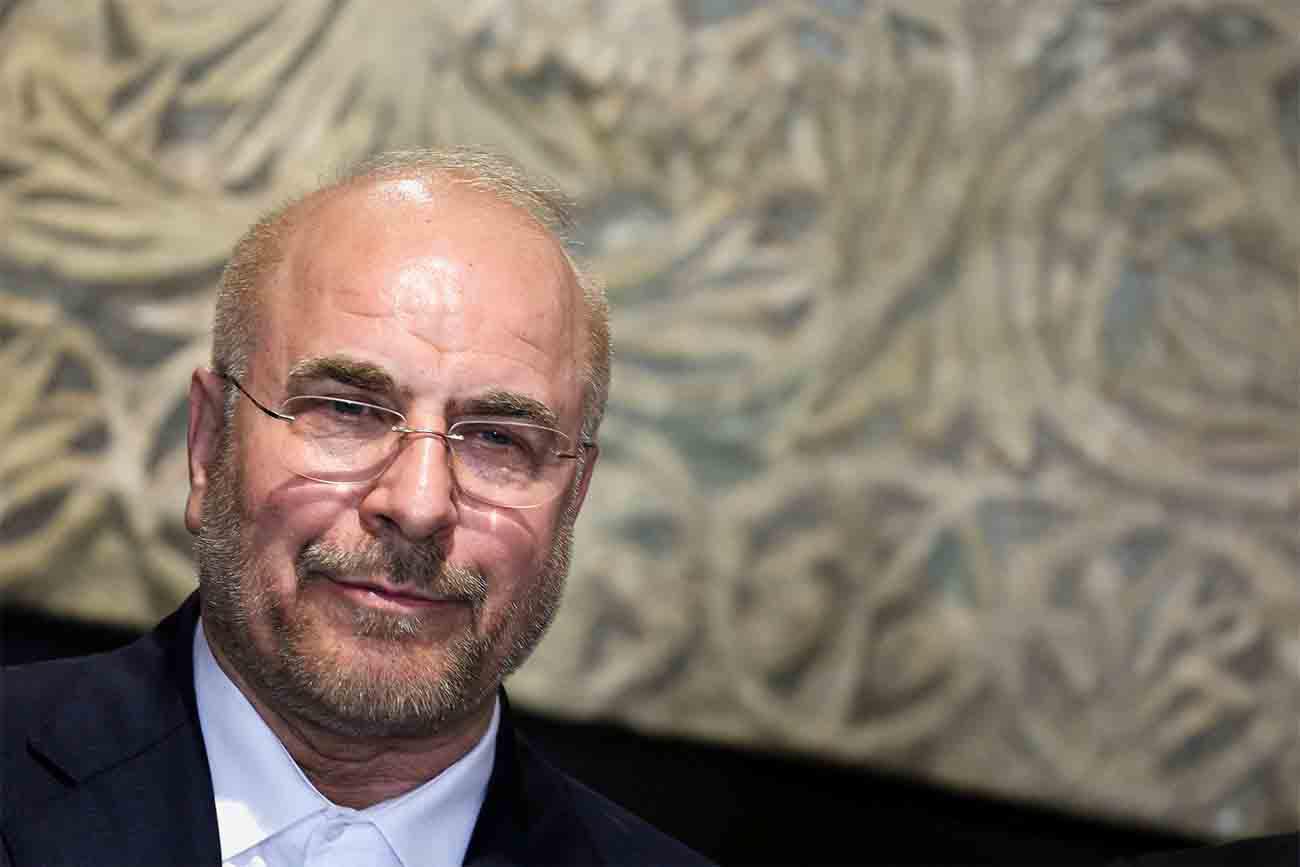
Iranian Parliament Speaker Mohammad Baqer Qalibaf
As the Islamic Republic enters one of the most perilous periods in its history, divisions within its ruling elite are becoming impossible to hide. The regime faces a perfect storm of economic collapse, international isolation, and a deep crisis of legitimacy at home.
Yet instead of addressing these challenges, rival factions are increasingly consumed by internal power struggles and score-settling. Even as the regime loses key figures and commanders further undermining its image of unity its factions remain focused on protecting their positions and sidelining opponents. This infighting has become so blatant that even the regime’s own media now discusses it openly.
One striking example appeared on May 26, 2026. edition of Ettela’at, in an article titled “People Didn’t Even Notice the Parliament Was closed for Three Months.” Framed as criticism of parliament’s performance, the article was in fact a stark admission of how little credibility the regime has left.
The writer noted that parliament’s three-month closure during the war showed how detached the institution had become from society: its absence caused almost no disruption and was barely noticed by the public. This is an extraordinary confession. If a parliament can vanish for three months without public concern, it has clearly lost its purpose. The article itself presents this as the clearest evidence of the institution’s decline, but the article’s deeper significance lies in what it reveals about the regime’s fierce internal struggle.
Just three days after parliament reopened, Mohammad Baqer Qalibaf was re-elected speaker for the seventh time.
Ettela’at described the vote as a “battlefield,” after weeks of intense attacks by hardliners from the Paydari Front. The paper openly acknowledged that parliament has become a venue for political bargaining and factional competition rather than a body serving the national interest, this dysfunction exposes the system’s deep decay.
While ordinary Iranians endure economic hardship and repression, the same factions that once backed internet censorship and crackdowns are now turning on one another to preserve their power, for this reason, any diplomatic agreement between Tehran and the United States in the coming weeks is more likely to widen these internal fractures than to heal them.
Experience shows that major shifts in foreign policy disrupt the regime’s fragile internal balance. Some factions view a deal as essential to survival, while hardliners see it as a direct threat to their influence. Rather than stabilizing the country, such an agreement could trigger a new and even more volatile round of infighting one that even state media may no longer be able to conceal.
In the end, even if a deal with the US is reached, the regime itself may remain the biggest loser. For now, it is using the cover of regional war and manufactured propaganda about “national unity” to suppress dissent and disguise its structural decay. But this wartime narrative is only a temporary shield. A diplomatic agreement cannot revive a bankrupt economy, repair broken institutions, or pacify a deeply angry public.
The regime’s internal rivalries and fundamental crises have reached a point of no return. It no longer appears capable of saving itself.
Hassan Mahmoudi is an Iran & Middle East political and Economic researcher