

Diplomacy after war
Iraq pushes dialogue as Iran's Araghchi outlines US accord in Baghdad
Should the US-Iran agreement hold, Iraq is expected to be among the principal beneficiaries of lower regional tensions.
Monday 29/06/2026
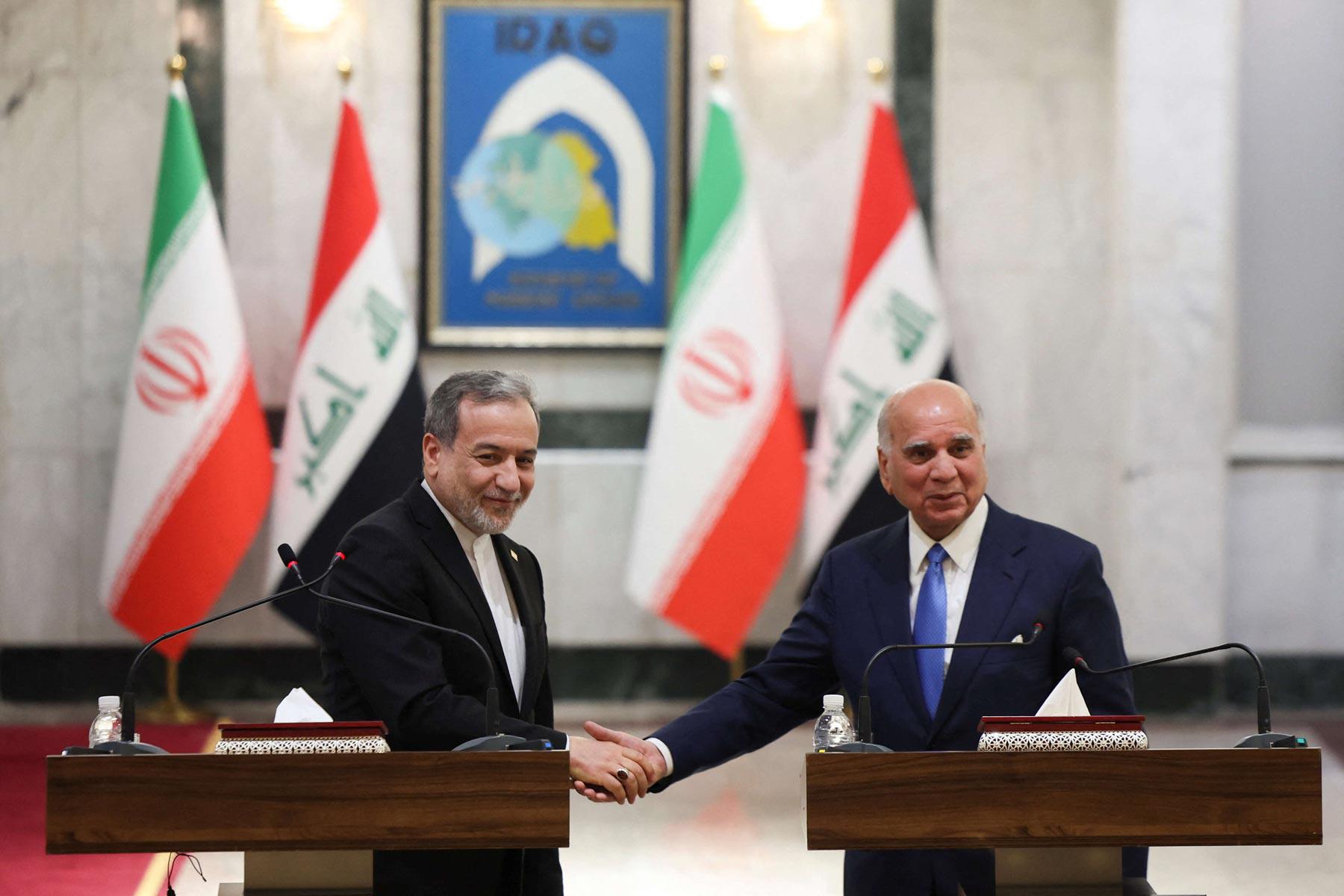
Diplomacy after war
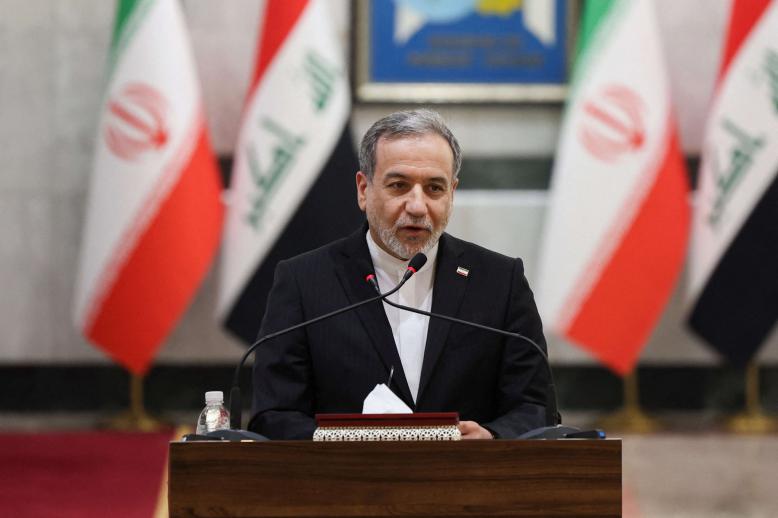
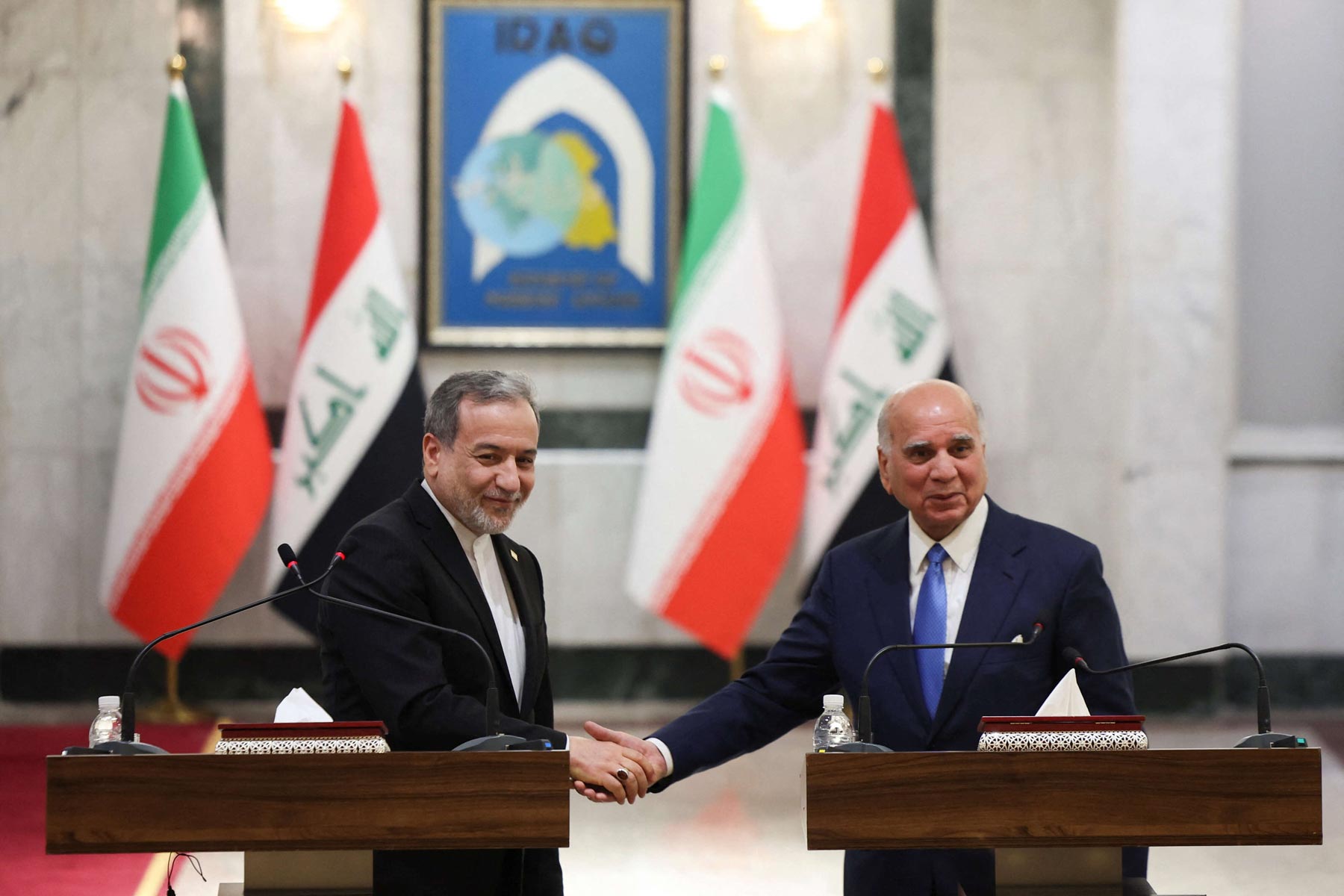
BAGHDAD – Iranian Foreign Minister Abbas Araghchi held extensive talks with Iraq's top leadership in Baghdad on Sunday, focusing on the recent agreement between Tehran and Washington to end their war, as Iraq seeks to insulate itself from any renewed regional escalation while preserving its delicate ties with both countries.
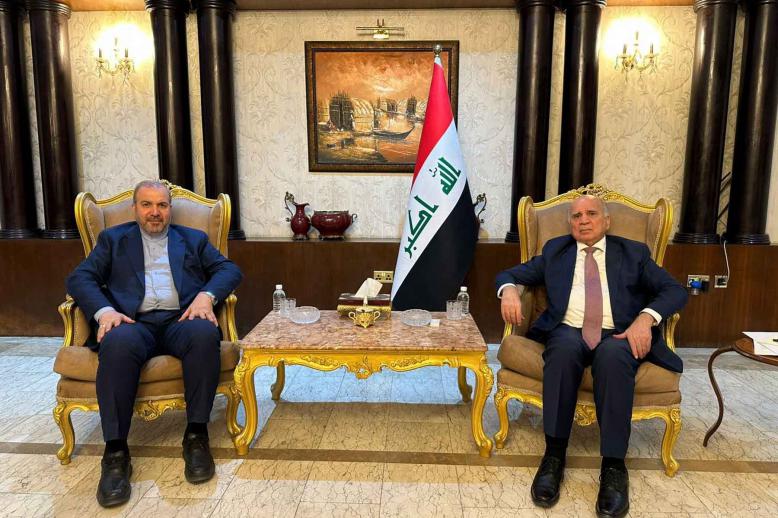
Araghchi met Iraqi President Nizar Amidi, Prime Minister Ali al-Zaidi and Parliament Speaker Haibat al-Halbousi during a visit that Iraqi officials view as an opportunity to reinforce Baghdad's role as a regional mediator.
Analysts say Iraq has a direct interest in the success of the Iranian-American agreement because any collapse could once again expose the country to security pressures. Iraq still hosts US troops and faces the risk that Iran-aligned armed factions could become involved in any renewed confrontation, making Baghdad one of the countries most vulnerable to a deterioration in relations between Washington and Tehran.
Regional stability is also closely linked to Iraq's economy through energy prices, cross-border trade with Iran and foreign investment, all of which are sensitive to security risks and geopolitical tensions.
The visit also reflects Baghdad's efforts to consolidate its position as a platform for regional dialogue after hosting mediation efforts between rival powers in recent years, a role the current government hopes will strengthen Iraq's diplomatic standing and restore its regional influence.
Should the US-Iran agreement hold, Iraq is expected to be among the principal beneficiaries of lower regional tensions. If the understanding unravels, however, Baghdad would once again face the challenge of maintaining a careful balance between its two key partners, testing the government's policy of neutrality.
During talks at Baghdad Palace, Araghchi and President Amidi discussed regional and international developments, including the outcome of the agreement between Tehran and Washington.
Both sides stressed the importance of preventing further escalation in the region. Amidi underlined "the importance of resorting to dialogue that creates a more stable environment and establishes lasting understandings capable of addressing outstanding issues and serving security and stability."
He said Iraq "supports every measure that strengthens regional peace, preserves state sovereignty and contributes to resolving disputes through diplomatic means, away from escalation and the use of force."
According to a statement from the president's office, Araghchi expressed Iran's appreciation for "Baghdad's positions and its efforts to contain crises and bring viewpoints closer together," adding that Tehran remained committed to "continuing coordination and consultations and creating broader ground for cooperation and understanding regarding current issues and developments."
Meeting Prime Minister Zaidi, Araghchi outlined details of the recent agreement reached between Tehran and Washington.
Zaidi said "Iraq stands for ending wars through dialogue and negotiations to consolidate stability in the region, which will enhance development opportunities for neighbouring peoples."
According to the prime minister's office, Araghchi reiterated Iran's support for Iraq and its commitment to strengthening bilateral cooperation, while repeating Tehran's desire to establish "the best possible relations with all regional countries and Arab neighbours."
In separate talks with Parliament Speaker Halbousi, the two sides discussed bilateral relations, regional developments and the recent ceasefire agreement.
Halbousi reaffirmed Iraq's support for diplomatic efforts aimed at consolidating dialogue and prioritising peaceful solutions to regional crises and conflicts, saying such efforts would contribute to greater regional stability.
The visit came against the backdrop of renewed US-Iran tensions despite negotiations aimed at implementing an agreement to end the war that began after the US and Israel launched military operations against Iran on Feb. 28.
On June 18, Tehran and Washington signed a memorandum of understanding providing for a ceasefire, the lifting of the US naval blockade on Iran and the reopening of the Strait of Hormuz, after its closure drove up global oil and gas prices and fuelled inflation.