

Coming weeks are expected to be decisive
Israel sets red lines for US ahead of nuclear talks with Iran
Israeli officials stressed that any partial concessions by Washington would be unacceptable, warning that leniency could embolden Iran to resist the most critical demands.
Wednesday 04/02/2026
Coming weeks are expected to be decisive
JERUSALEM – Israel has delivered a series of uncompromising conditions to the United States ahead of the first round of nuclear negotiations with Iran, signalling deep concern over Tehran’s regional ambitions and the scope of its nuclear programme.
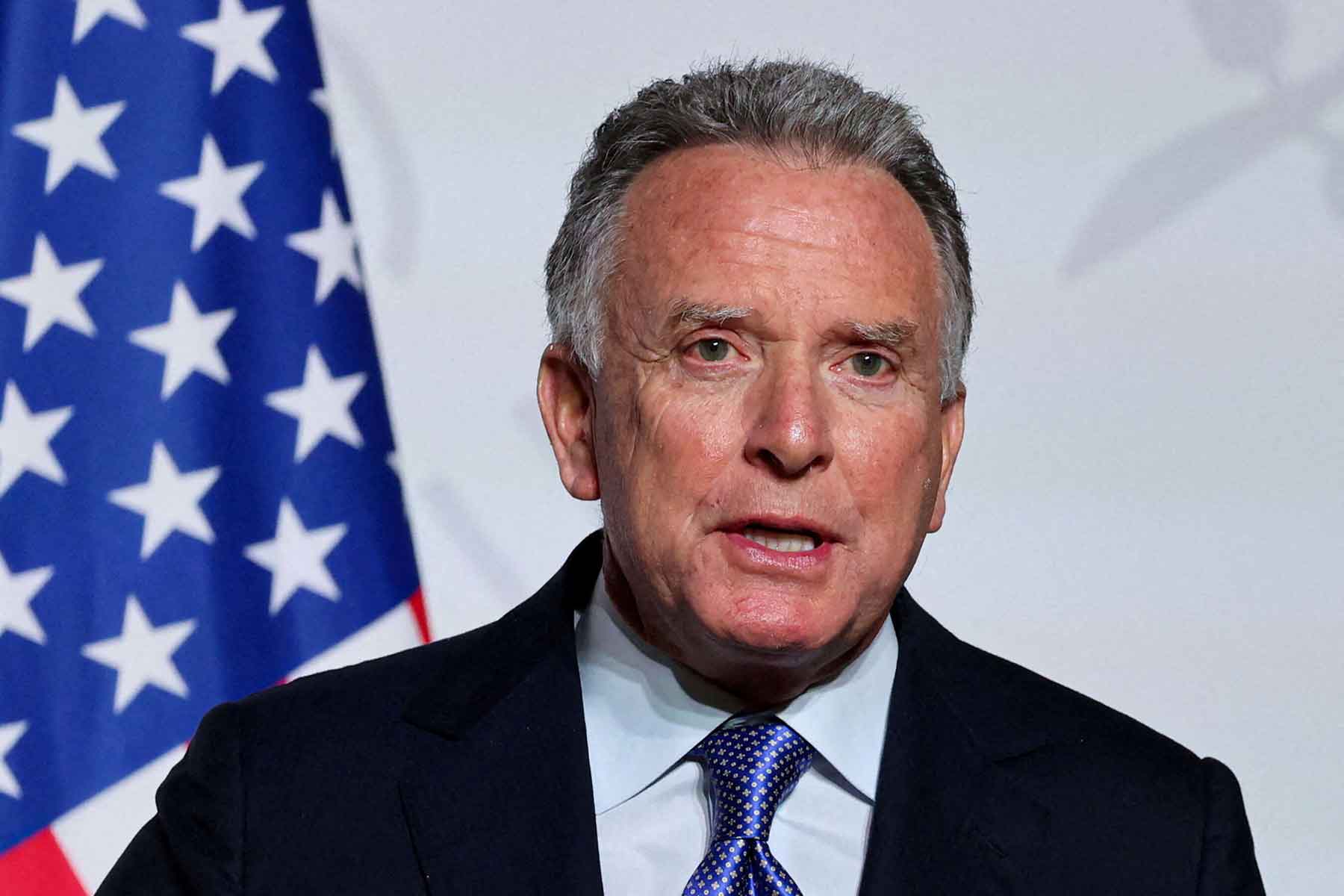
The briefings, held over several hours in western Jerusalem, involved the US envoy for Middle East affairs Steve Witkoff and senior Israeli officials, including the prime minister, defence minister, the chief of staff, the heads of military intelligence, Mossad and the air force, reflecting the strategic gravity Israel places on the upcoming talks.
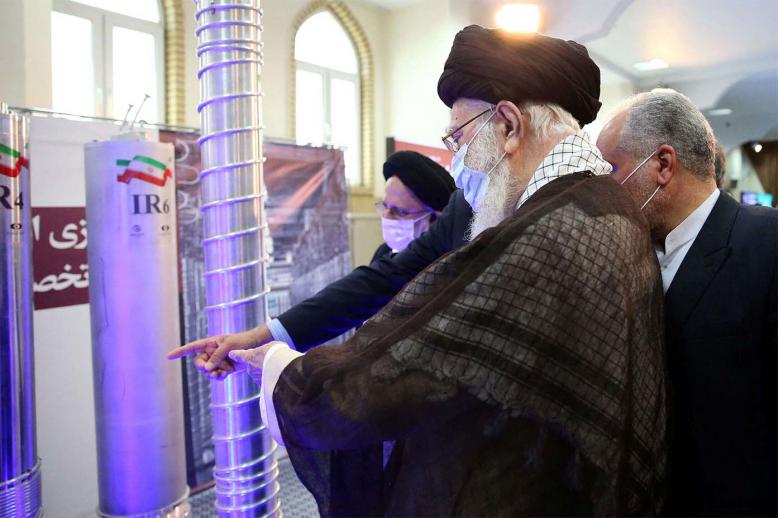
Israeli authorities outlined a set of “red lines” that any acceptable deal with Tehran must meet. These include a complete halt to Iran’s uranium enrichment activities, the removal of its existing stockpile of approximately 450 kilogrammes of enriched uranium, an immediate cessation of ballistic missile development and a full end to Iran’s support for regional proxy groups across the Middle East. Jerusalem officials stressed that any partial concessions by Washington would be unacceptable, warning that leniency could embolden Tehran to resist the most critical demands, while potentially undermining Israel’s security and regional stability.
The meeting also provided the latest intelligence assessments on Iran’s nuclear and missile capabilities, highlighting ongoing developments despite international scrutiny and prior US sanctions. Israeli officials expressed concern that Iran may interpret Washington’s willingness to enter negotiations, following a period of direct threats and military posturing, as a sign of reluctance to take decisive action. This perception, they warned, could encourage Tehran to delay or limit compliance with any future deal.
Preparations for the talks are already influencing military postures across the region. Israel is closely monitoring the significant US military presence in the eastern Mediterranean and Arabian Gulf, deployed at substantial cost over recent months, and assessing potential Iranian responses should the negotiations fail or escalate into military confrontation. Analysts in Jerusalem note that the US fleet, including its aircraft carriers, represents both a deterrent and a bargaining instrument, giving Washington the leverage to manage Iranian expectations while maintaining pressure on Tehran.
The timing of the negotiations coincides with ongoing domestic unrest in Iran, where widespread protests erupted in late December amid soaring living costs and deteriorating economic conditions. Washington and Israeli officials fear that Tehran could exploit internal instability to resist international pressure or justify aggressive regional actions, further complicating diplomatic efforts.
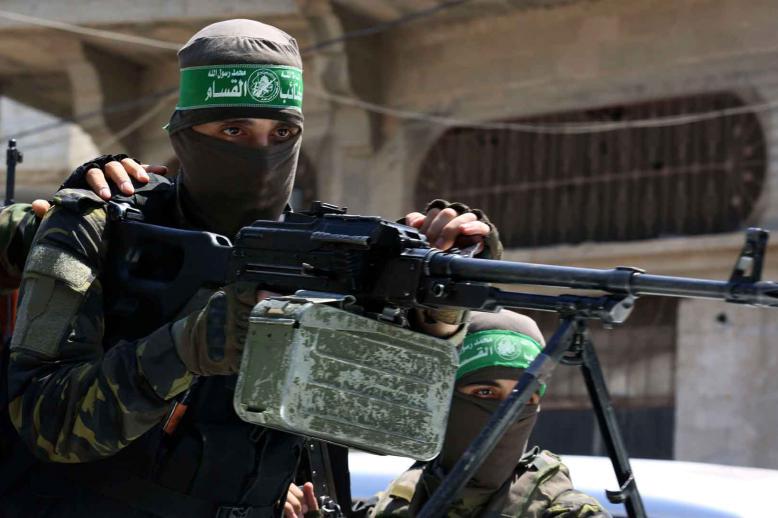
Beyond nuclear and missile concerns, Israel remains highly alert to Iran’s regional proxy networks, including groups in Lebanon, Syria, Iraq and Yemen, which Israel regards as extensions of Tehran’s military and political influence. Israeli assessments indicate that any agreement that fails to constrain these networks could leave the country vulnerable to asymmetric threats, including cross-border attacks and missile strikes.
In addition to the security considerations, Israeli officials are scrutinising the roles of key US negotiators. The presence of senior White House figures with extensive diplomatic experience is seen as a positive development in Jerusalem, offering the prospect of more skilled management of the complex talks. Analysts suggest that effective US negotiation leadership could mitigate the risks of unilateral concessions and help ensure that red lines crucial to Israel’s national security are maintained.
The stakes for the region are high. A successful US-Iran deal could reshape the balance of power in the Middle East, affect the timing and scope of sanctions relief, and influence the broader geopolitical landscape, including relations between Israel, its Gulf allies and Washington. Conversely, a breakdown in talks could intensify military tensions and increase the risk of direct confrontation between Iran and Israel, with broader implications for global energy markets and regional stability.
As the US-Iran negotiations are set to commence in Istanbul, Israeli officials continue to emphasise that their demands are non-negotiable and essential for both national security and regional peace. The coming weeks are expected to be decisive, with the outcomes likely to shape US-Iran relations and the strategic calculus of all Middle Eastern actors for the foreseeable future.