


Heavy reliance on Syrian labour across key sectors
Lebanon faces labour shortages as Syrian refugees return home
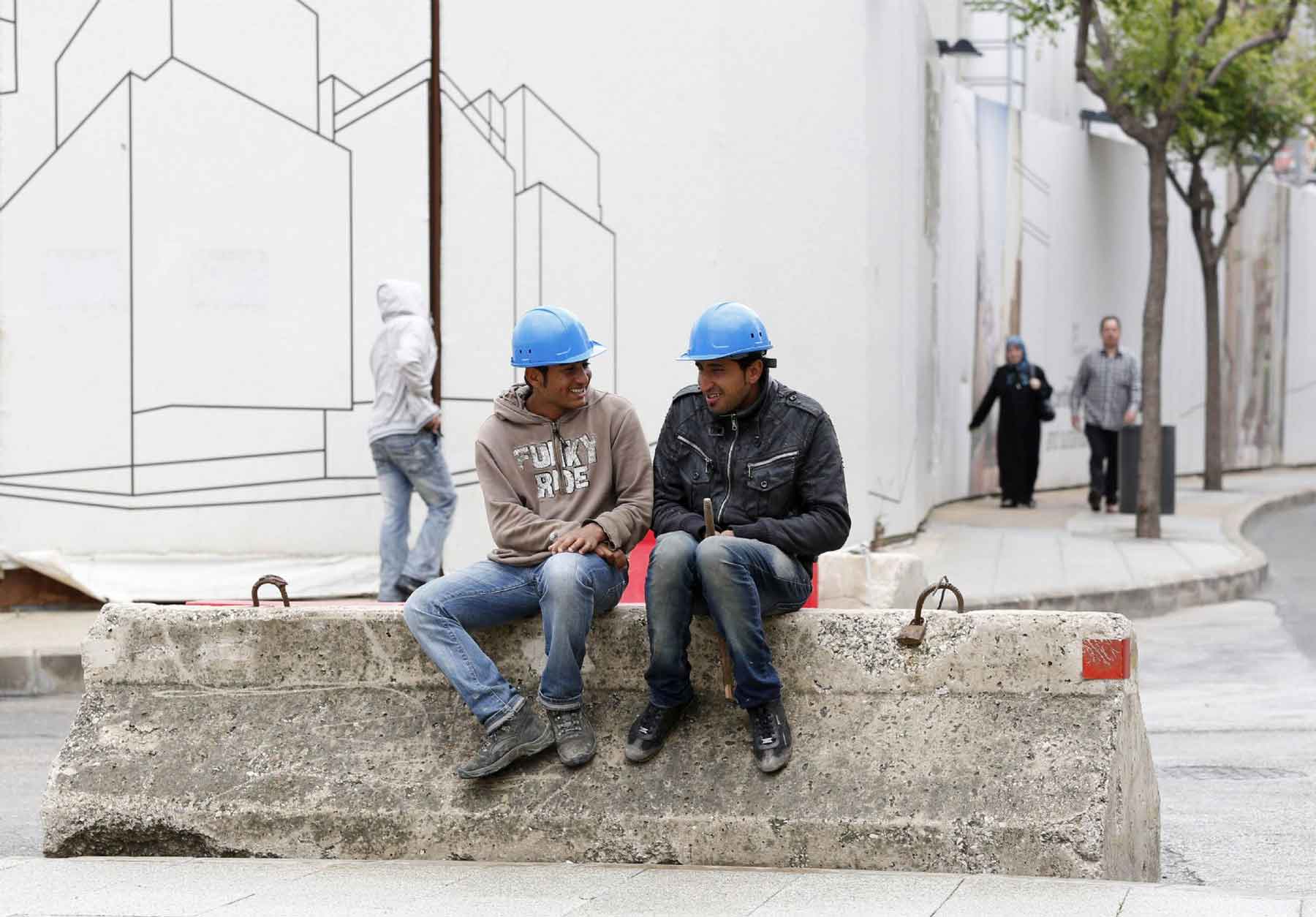
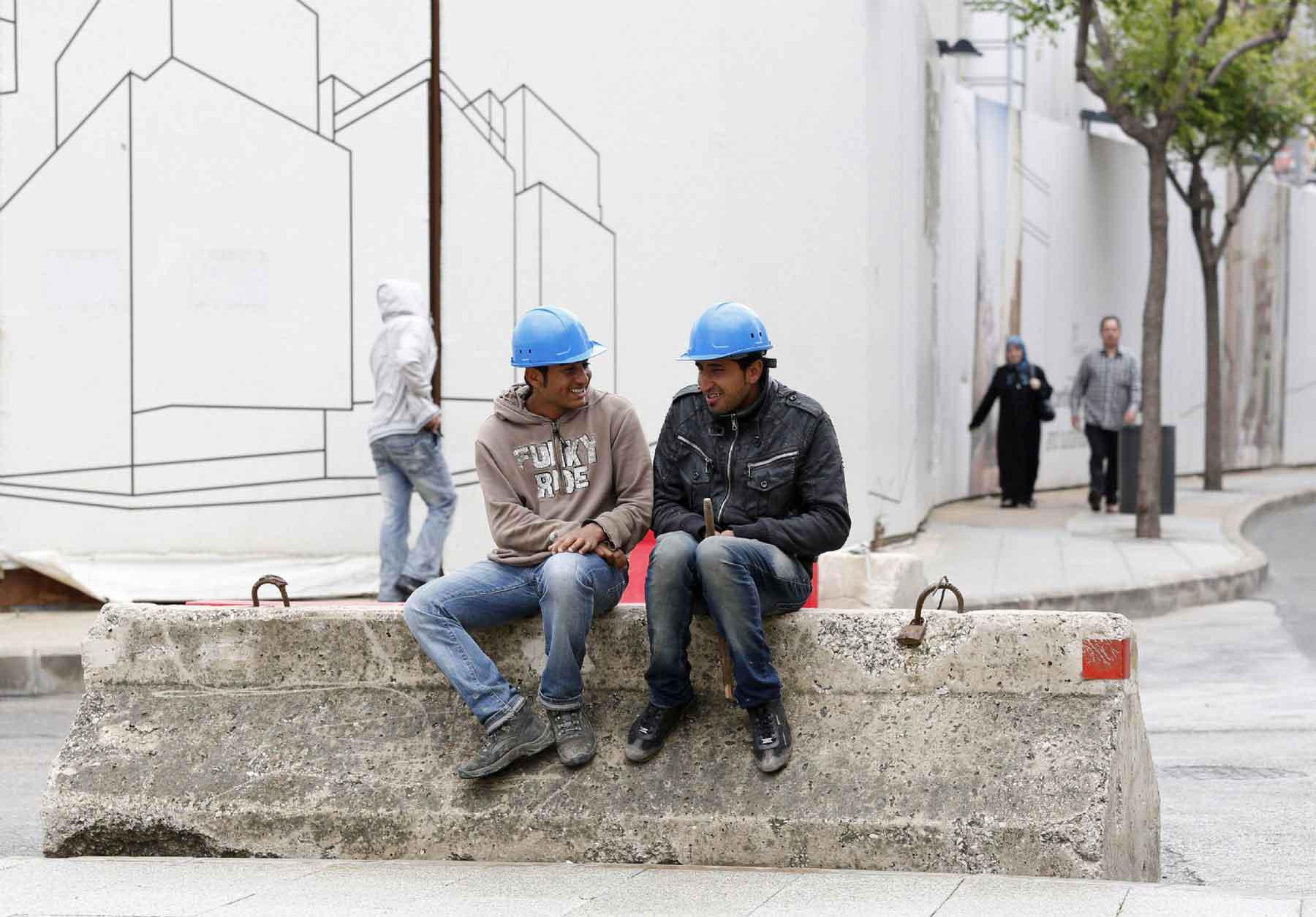
The mass return is revealing the country’s heavy reliance on Syrian labour across key sectors, including agriculture, construction and artisanal trades.
Wednesday 04/02/2026
Heavy reliance on Syrian labour across key sectors
BEIRUT – Lebanon is confronting growing economic and labour challenges as hundreds of thousands of Syrian refugees return to their homeland following the fall of Bashar al-Assad’s regime in December 2024. The mass return, described by Beirut as “safe and sustainable,” is revealing the country’s heavy reliance on Syrian labour across key sectors, including agriculture, construction and artisanal trades.
Since the fall of Assad, Syrian families who fled the conflict and years of systematic violence, including airstrikes, arrests, and security crackdowns, have been gradually returning. By early January 2025, Lebanese authorities reported that more than half a million refugees had gone back to Syria, under both organised and voluntary schemes, as part of a multi-phase plan launched in mid-2025. Despite these efforts, roughly 1.5 million Syrian refugees are estimated to remain in Lebanon, nearly 880,000 of whom are registered with the UN Refugee Agency.
Economic analysts warn that the impact on the Lebanese labour market is already being felt. Experts point out that sectors heavily reliant on Syrian workers are facing immediate gaps. Construction projects, farms, small workshops and service industries are all reporting shortages, with businesses struggling to fill roles once covered by refugee labour.
Local employers and workers have also observed the shift on the ground. Many Syrian households leaving Lebanon retain at least one family member in the country to maintain employment and income streams, particularly in agriculture and small-scale manufacturing. Others have fully relocated, leaving entire teams and businesses disrupted.
For Lebanese citizens, the change has been palpable. Factories, workshops and farms accustomed to Syrian labour are facing operational slowdowns, and local workers are struggling to cover the resulting gaps.
The Lebanese government has worked to facilitate these returns while mitigating economic disruption. The UN Refugee Agency provides financial support, including a one-time cash grant of $100 per returning family member, alongside guidance on legal and border procedures.
Lebanese authorities have extended simplified border exit measures for both Syrian and Palestinian returnees, allowing passage without fees or penalties until March 2026, with automatic closure of their refugee files in Lebanon. These efforts aim to ensure returns occur safely and with dignity.
For families still living in Lebanon, the decision to leave is often weighed against practical considerations. Many remain due to urgent economic needs, while others choose to return to Syria despite ongoing uncertainties.
Transport workers facilitating returns report that in some cases, only parents or eldest children remain behind to provide for families in Syria, underscoring the complex economic and social dynamics at play.
These movements are taking place against a backdrop of political transformation in Syria. President Ahmad al-Sharaa has projected that the majority of Syrians living abroad could return within the next two years, raising expectations that Lebanon’s labour reliance on foreign workers will continue to diminish.
For Lebanon, the departure of Syrian refugees shines a spotlight on decades-long dependence on foreign labour in low-wage, physically demanding sectors.
While the returns carry important humanitarian and political significance, they simultaneously expose vulnerabilities in Beirut’s economy and highlight the urgent need for labour market adjustments.
The government continues to coordinate with Damascus and international partners to ensure the process remains orderly, while also seeking to balance domestic economic pressures and the needs of remaining refugee communities.