

Will Maliki go against Trump's threat?
Iraq’s Maliki rejects US interference in internal affairs
Former Iraqi PM says he will continue working until they reach the end, in a manner that serves the supreme interests of the Iraqi people following Trump’s threat.
Wednesday 28/01/2026
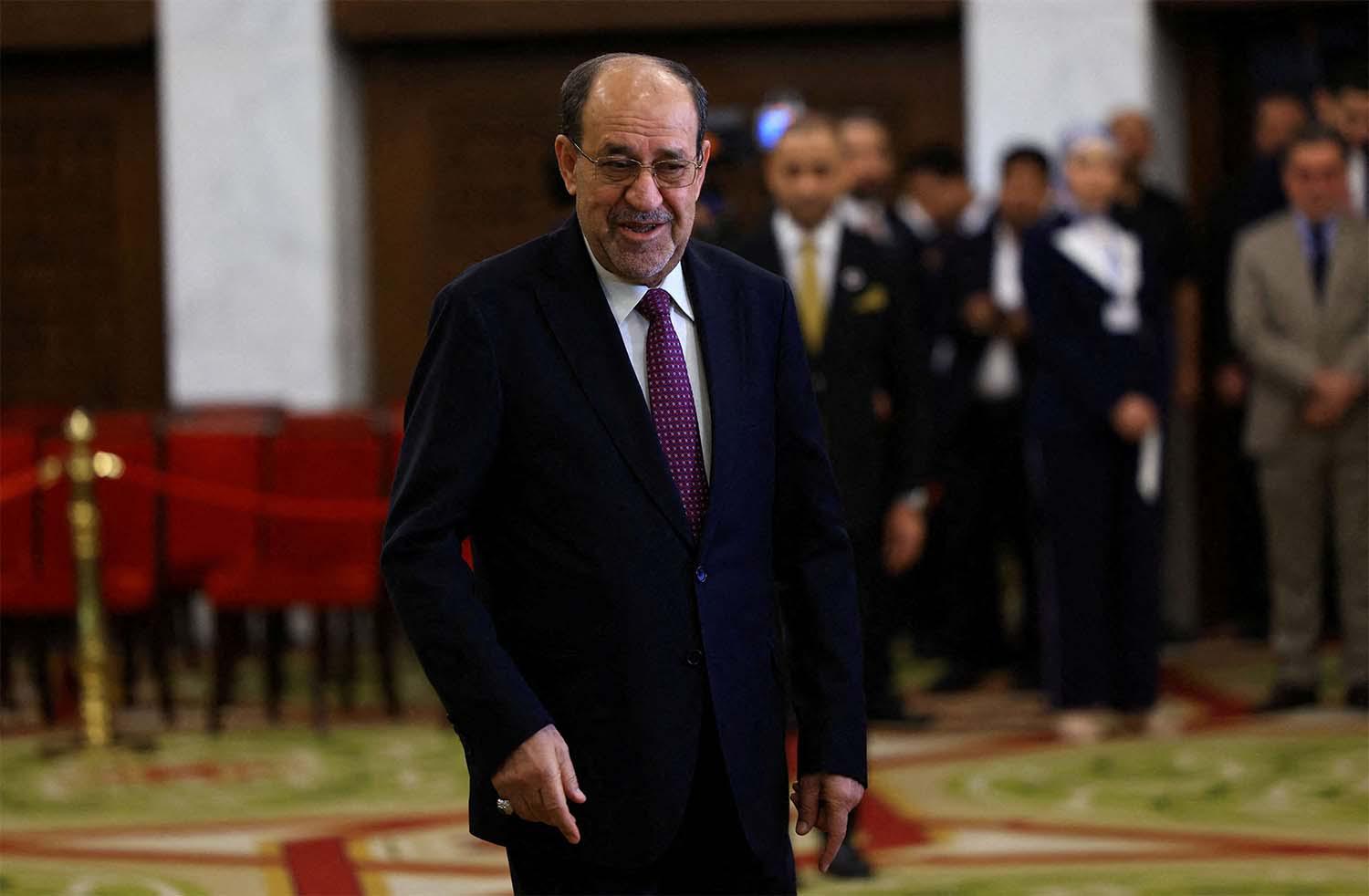
Will Maliki go against Trump's threat?
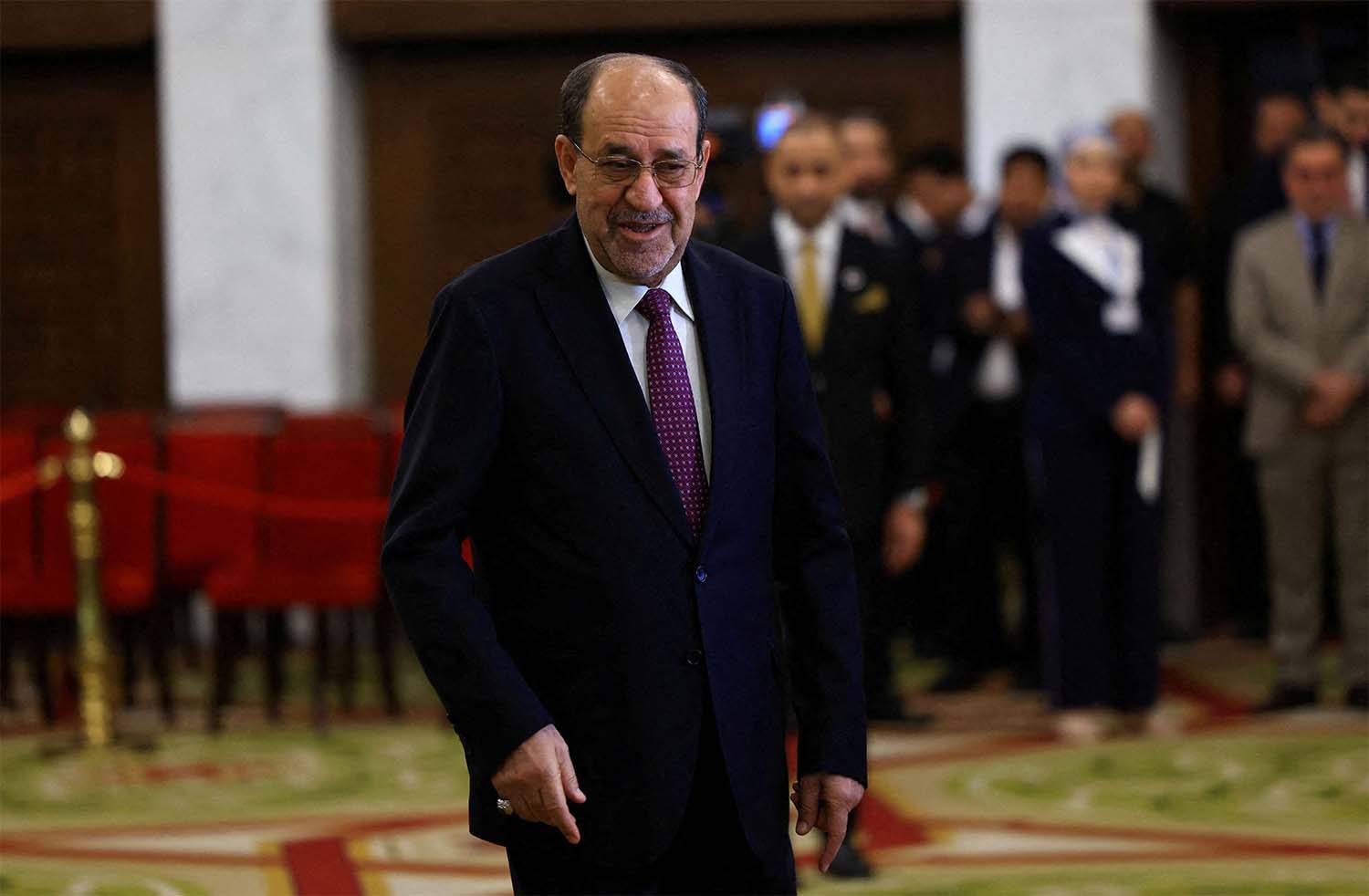
BAGHDAD - Iraq's former Prime Minister Nouri Al-Maliki said on Wednesday that he rejects US interference in Iraq's internal affairs, after US President Donald Trump threatened to cut off support to the country if Maliki was picked as prime minister.
"I will continue working until we reach the end, in a manner that serves the supreme interests of the Iraqi people," he said in a post on X.
Maliki declared that he "categorically rejects" American involvement in Iraq's domestic matters, calling it a violation of Iraqi sovereignty and an assault on the nation's independence.
"The selection of the position of Prime Minister is a purely sovereign decision and does not accept any foreign interference in it," he stated.
He affirmed his commitment to continuing his efforts "until the end" in alignment with the Shiite Coordination Framework — the dominant parliamentary bloc that nominated him as its candidate for prime minister — and in service of the higher interests of the Iraqi people.
The remarks came one day after Trump posted on Truth Social that the United States would "no longer help Iraq" if Maliki were reinstated as prime minister.
Trump described Maliki's previous tenure (2006–2014) as having led the country into "poverty and total chaos" due to "insane policies and ideologies," warning that without US support, Iraq would have "ZERO chance of Success, Prosperity, or Freedom."
Maliki's nomination by the Coordination Framework — a coalition of Shiite parties — followed the November 2025 parliamentary elections and the withdrawal of caretaker Prime Minister Mohammed Shia al-Sudani from the race earlier this month.
The bloc cited Maliki's extensive political and administrative experience as key factors in their decision. As leader of the State of Law Coalition and a prominent figure in the Islamic Dawa Party, Maliki has maintained significant influence within Iraq's Shiite political landscape, including ties to factions aligned with Iran's interests.
The US position reflects longstanding concerns over Iranian influence in Iraq. Trump’s statement echoes earlier communications, including a recent call from Secretary of State Marco Rubio to Sudani, in which Rubio emphasized that a government perceived as controlled by Iran could not prioritize Iraq's interests or sustain a beneficial partnership with Washington.
Reports indicate that US officials have repeatedly warned Iraqi leaders about potential sanctions or withheld support if Iran-linked groups play a dominant role in the next government.
Maliki, who served as prime minister during a tumultuous period marked by sectarian tensions, the withdrawal of US forces in 2011, and the eventual rise of ISIS in 2014, has long advocated for non-interference in Iraqi affairs. His stance aligns with broader sentiments among some Iraqi political actors who view US pressure as an infringement on national sovereignty, established under the post-2003 democratic framework.
The exchange highlights the delicate balance Iraq continues to navigate between its alliances with the United States — which provides military and economic support — and Iran, its powerful neighbour with deep ties to Shiite militias and political groups.
Maliki's rejection of interference has resonated with pro-Iran factions, including armed groups like Kataib Sayyid al-Shuhada, whose leader condemned Trump's comments as "political assassination" and "blatant interference."
As Iraq's parliament works toward forming a new government — including electing a president and approving a prime minister — the controversy underscores persistent challenges in the post-election phase.
Observers note that while the Coordination Framework holds significant parliamentary weight, external pressures could complicate coalition-building and delay the process.
Maliki's firm position signals that Iraq's political forces may resist external dictates in determining their leadership, even as the country grapples with economic recovery, security concerns, and regional rivalries.