

One of the country’s most sensitive humanitarian files
Yemen government, Houthis trade blame over stalled prisoner swap
Saudi Arabia has been seeking to close the prisoners’ file as part of efforts to advance a comprehensive political roadmap, while the delay has complicated Omani mediation efforts.
Thursday 29/01/2026
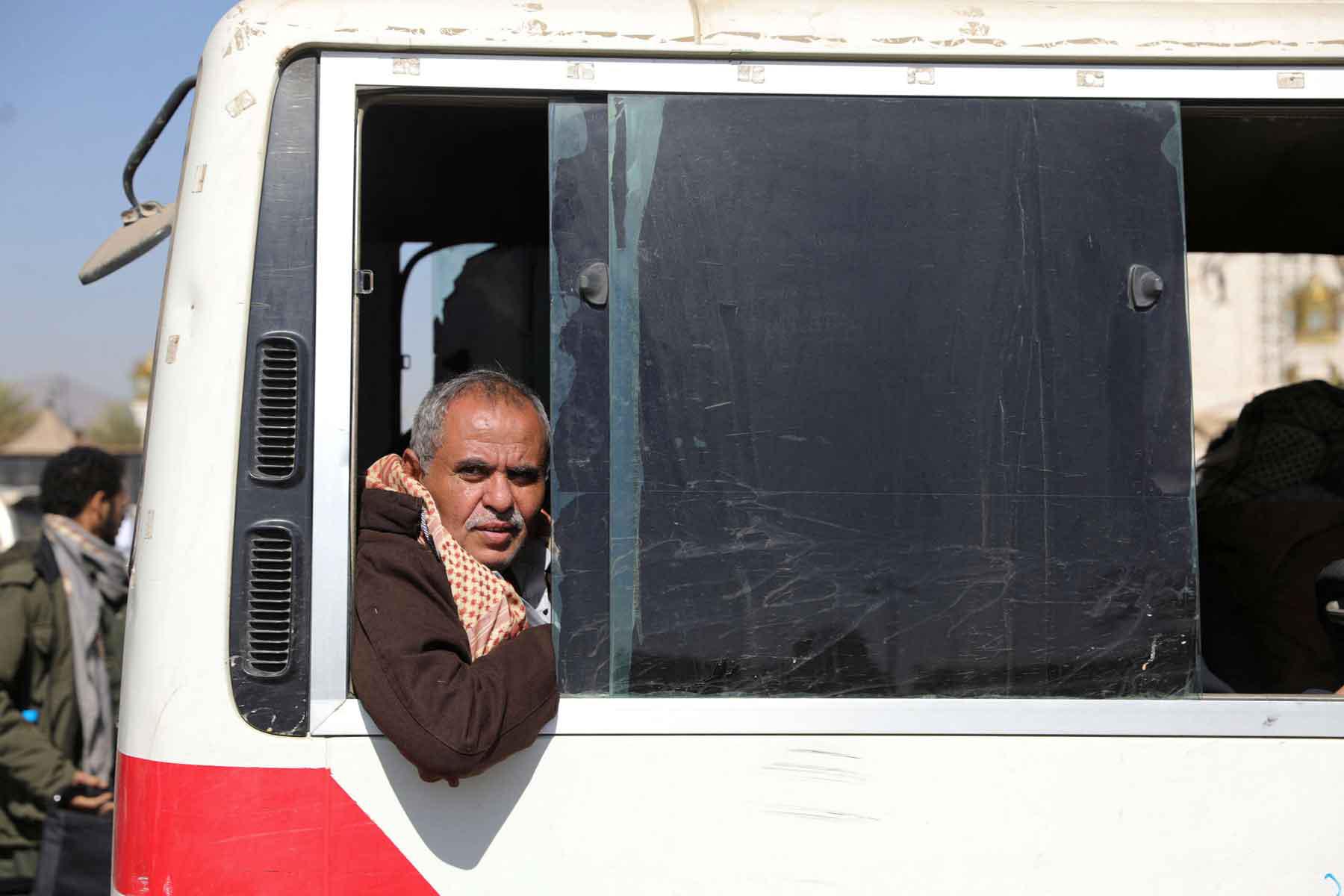
One of the country’s most sensitive humanitarian files
SANA’A – Yemen’s internationally-recognised government and the Iran-aligned Houthi movement exchanged accusations over delays in implementing a landmark prisoner exchange agreement, reviving one of the country’s most sensitive humanitarian files and underscoring the fragility of confidence-building measures amid a broader political stalemate.
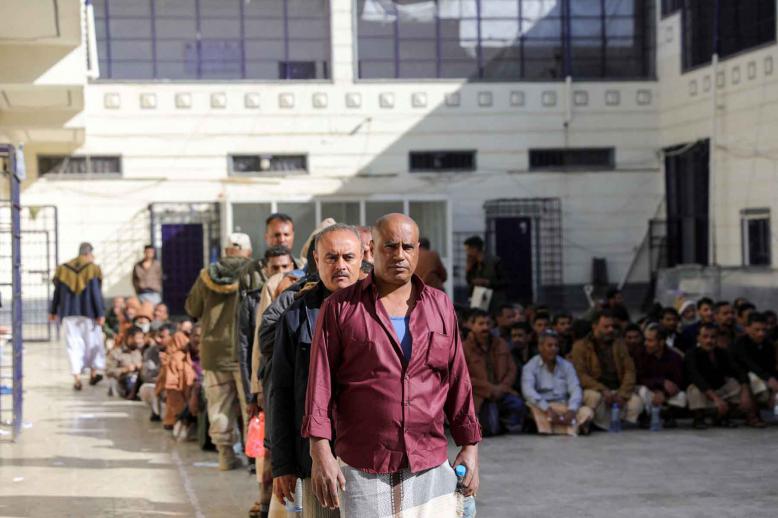
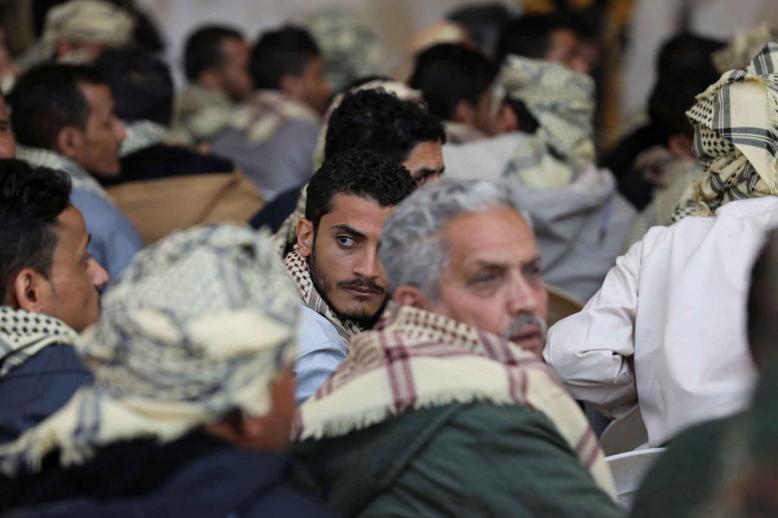
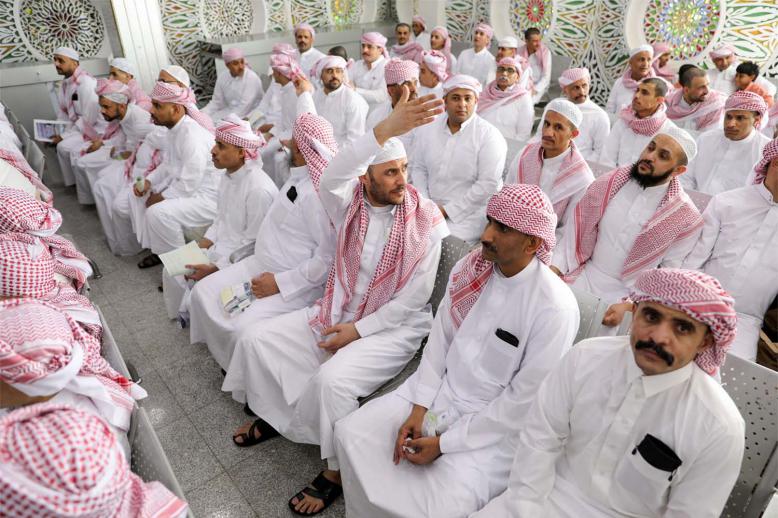
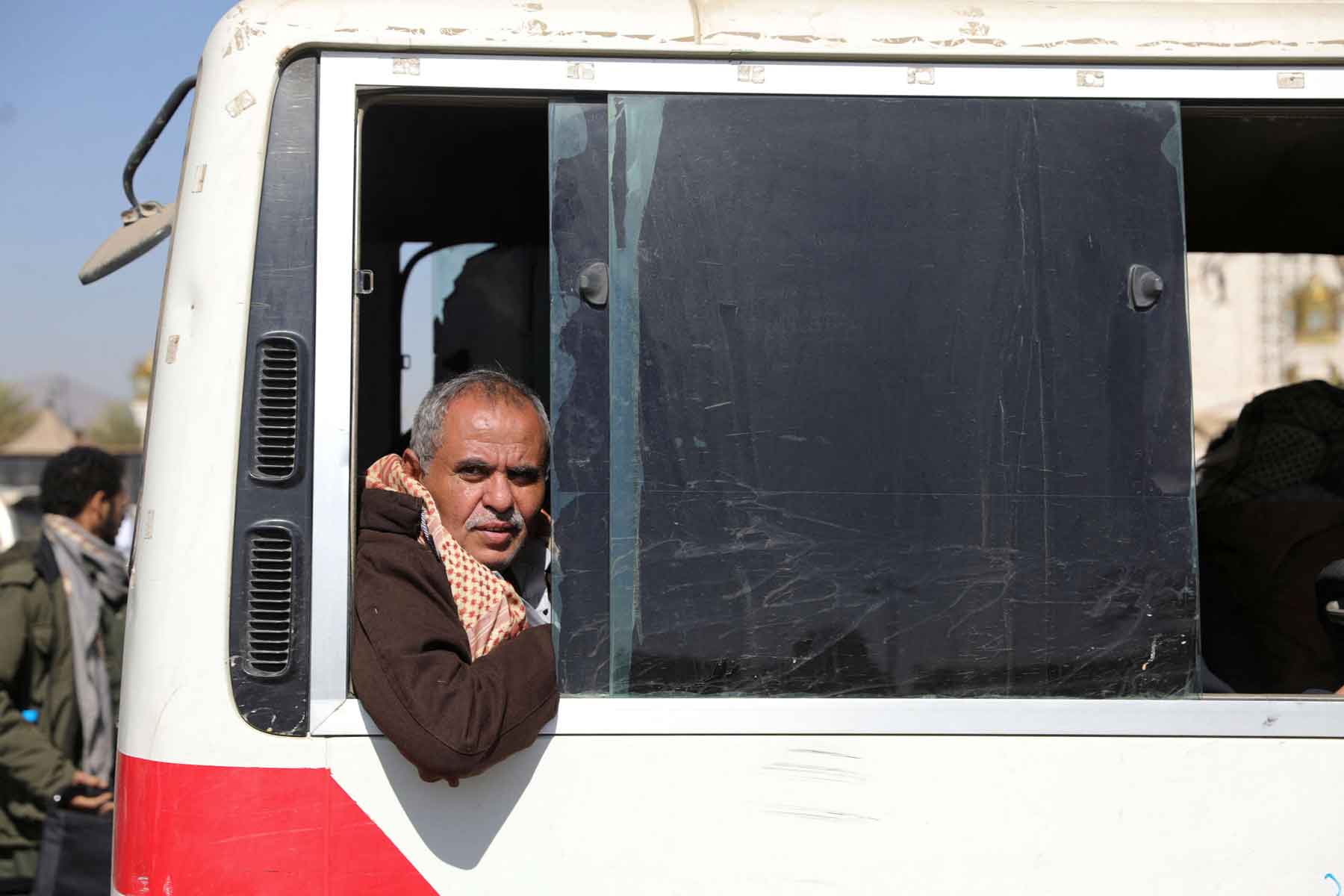
The deal, signed after UN-sponsored consultations in the Omani capital Muscat around a month ago, was meant to pave the way for the exchange of nearly 2,900 detainees and captives held by both sides. Instead, the impasse has pushed the issue of prisoners back into what Yemeni officials describe as a cycle of political deadlock, turning a humanitarian priority into a bargaining chip amid the absence of progress towards a comprehensive settlement.
Abdulmalik al-Mekhlafi, an adviser to the President of the Presidential Leadership Council, accused the Houthis of deliberately obstructing the agreement, saying their handling of the prisoners’ file showed a pattern of disregard for humanitarian obligations.
In a post on X on Wednesday, Mekhlafi said the Houthis’ approach to detainees, abductees and UN-brokered agreements, along with what he described as repeated indifference to commitments and to the suffering of families, demonstrated that the group viewed such deals “not as moral or humanitarian obligations, but as a tool of political blackmail.l”
He added that the suspension and apparent backtracking on the Muscat agreement once again highlighted what he called a lack of seriousness and “open contempt” for international law and humanitarian considerations, without providing further details.
The Houthis have rejected the accusations, placing responsibility for the delay on the government side. Abdul Qader al-Murtada, head of the Houthis' prisoner affairs committee, said on Monday that the group had already prepared its lists of prisoners ahead of the most recent Muscat round, insisting that the delay stemmed from the other side’s failure to submit its own lists within the timeframe set out in the agreement.
Al-Masirah TV, the Houthi-run broadcaster, said disagreements among factions aligned with Saudi Arabia were hampering implementation of the exchange, claiming that while some parties wanted the deal to proceed, others opposed it for political reasons and internal differences.
In a statement on Friday, Murtada said unresolved discrepancies over the final lists of prisoners and detainees had prevented the agreement from being executed as scheduled. He said the exchange had been set for January 27, but that the names of those to be included had not been finalised, requiring additional time to resolve the issue.
The prisoner swap agreement was reached on December 23 under the auspices of the United Nations and the International Committee of the Red Cross, and includes Yemeni, Saudi and Sudanese detainees. It is the largest such deal since the outbreak of the war more than a decade ago.
Saudi Arabia has been seeking to close the prisoners’ file permanently as part of efforts to advance a comprehensive political roadmap, while the delay has complicated Omani mediation efforts. The inclusion of Sudanese prisoners adds an international dimension to the agreement, and its suspension places UN mediators under growing pressure.
Yemen has seen a relative de-escalation since April 2022, following years of war between forces loyal to the recognised government and the Houthis, who have controlled large swathes of the country, including the capital Sana’a, since September 2014.
The last major prisoner exchange took place in 2023, when around 900 detainees were released by both sides, including Saudis and Sudanese linked to the Arab coalition, following negotiations in Switzerland mediated by the UN and the Red Cross.
On January 25, 2025, the Houthis unilaterally released 153 individuals captured during the conflict. The exact number of prisoners and detainees currently held by both sides remains unclear, but during the 2018 Stockholm talks, delegations submitted lists of more than 15,000 captives, while human rights groups estimate the figure could be closer to 20,000.