

A strategy aimed at containing crises rather than expanding them
Saudi Arabia swiftly moves to block misinformation aimed at UAE ties
The Saudi rebuttal appeared designed to quickly draw a line under what Riyadh views as a renewed attempt to inject suspicion and doubt into Saudi-Emirati ties at a sensitive moment.
Thursday 29/01/2026
A strategy aimed at containing crises rather than expanding them
RIYADH – Saudi Arabia moved decisively to shut down rumours circulating on some media platforms and social media that sought to cast doubt on its relations with the United Arab Emirates, firmly denying claims that the kingdom had refused to receive Sheikh Tahnoon bin Zayed Al Nahyan, the UAE’s national security adviser.
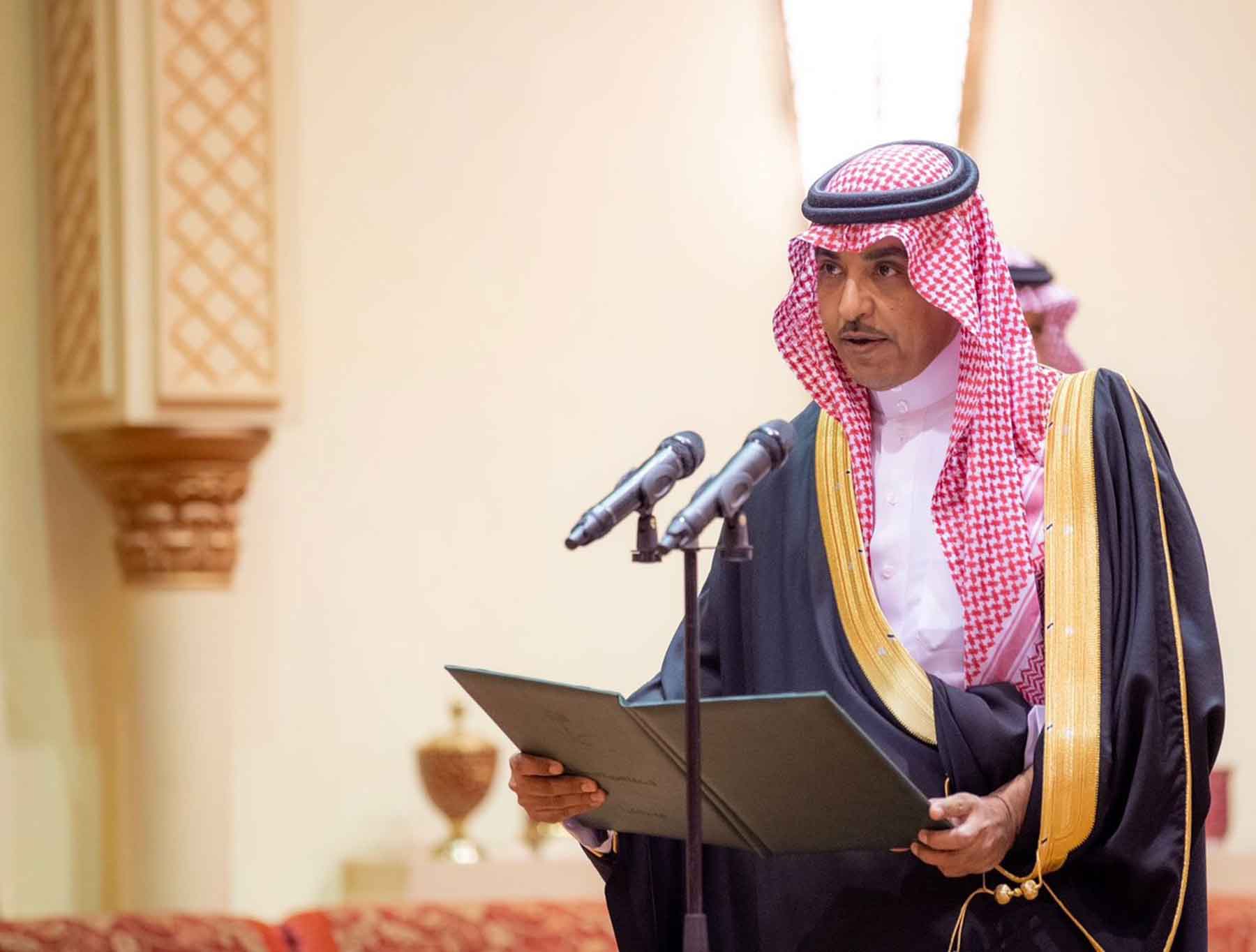
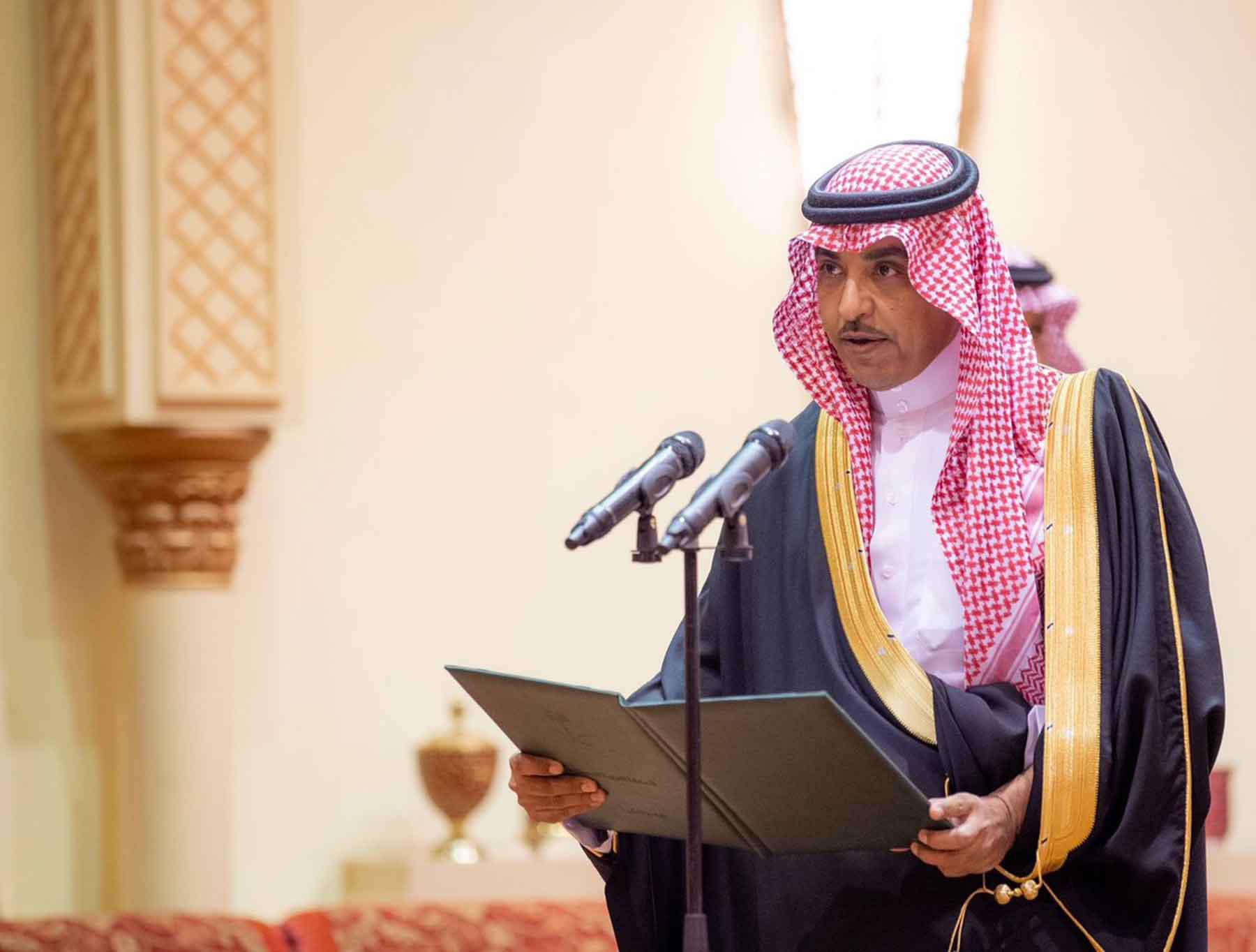
Saudi Information Minister Salman bin Yousef al-Dosari categorically rejected the allegations, describing them as completely unfounded. In a post on his official X account, which has more than five million followers, Dosari said, “What is being circulated about the Kingdom refusing to receive His Highness Sheikh Tahnoon bin Zayed is incorrect. His Highness comes to the kingdom whenever he wants without permission; it is his home and its leadership is his family,” the minister wrote on X.
The minister stressed that the reports were “entirely false,” going beyond a routine denial to offer a politically and symbolically significant characterisation of the relationship between Sheikh Tahnoon and Saudi Arabia. His remarks underscored a level of closeness that transcends diplomatic protocol, signalling bonds of trust, fraternity and mutual confidence between the two countries’ leaderships.
The firm Saudi rebuttal appeared designed to quickly draw a line under what Riyadh views as a renewed attempt to inject suspicion and doubt into Saudi-Emirati relations at a sensitive regional moment, marked by overlapping security and political challenges, particularly amid recent developments in eastern Yemen.
Dosari’s swift response reflects an apparent Saudi awareness of the risks posed by targeted misinformation campaigns, especially those that seek to exploit regional developments to suggest rifts or tensions between Riyadh and Abu Dhabi. The tone of the response was neither defensive nor reactive, but calm, confident and unequivocal, reinforcing Saudi Arabia’s determination to deny space to what it sees as efforts to win an advantage from the difficult situation.
While differences of opinion between Saudi Arabia and the UAE on regional or international files are not unusual, officials and analysts stress that such divergences do not equate to deep disagreements or crises, contrary to portrayals by some media outlets and social media accounts seeking attention, political leverage or public engagement through sensationalism.
The rumours fit a recurring pattern of disinformation campaigns that have repeatedly targeted Saudi-Emirati relations, which are widely viewed as a cornerstone of stability in the Gulf and the wider Arab region. The close political, security and economic coordination between the two countries has made their partnership a frequent target for actors seeking to weaken collective Gulf action or undermine unified positions on regional crises.
Dosari’s statement carried a broader message: that relations between Riyadh and Abu Dhabi are not hostage to fleeting media narratives, suspicious online posts or unverified leaks. Instead, they rest on a long history of partnership and a shared conviction among both leaderships that the security and stability of the Gulf are indivisible.
The issue carries added significance given Sheikh Tahnoon’s prominent role as one of the UAE’s key decision-makers and a central figure in national security and strategic policy. Against that backdrop, any suggestion of “rejection” or tension linked to his name is seen by officials as a deliberate attempt to imply cracks in Saudi-Emirati coordination, an impression that officials say is entirely at odds with realities on the ground.
Saudi Arabia’s rapid response also highlights growing Gulf awareness of the dangers of information warfare, with officials increasingly wary that leaving such claims unanswered could allow misleading narratives to take hold, potentially affecting not only bilateral relations but the image of the Gulf Cooperation Council as a whole. The denial therefore carried a regional message that the Gulf house remains cohesive and resilient in the face of attempts at distortion.
The Saudi position aligns closely with remarks made by Anwar Gargash, diplomatic adviser to the UAE president, who wrote in a post in December, following tensions linked to developments in eastern Yemen, that Abu Dhabi’s approach “places wisdom above emotion and prioritises stability over the noise of escalation.”
That statement was widely interpreted as reflecting a deeply rooted Emirati philosophy in managing regional crises, one that favours restraint, prudence and de-escalation over impulsive responses. Observers note that Gargash’s comments were not merely rhetorical but reflected a long-standing strategic approach adopted by the UAE leadership.
Taken together, the Saudi and Emirati responses point to a shared Gulf strategy aimed at containing crises rather than expanding them, insulating cooperation from temporary disagreements, and denying adversarial actors the opportunity to exploit situational differences to fracture Gulf unity.
Saudi officials say the episode underlines Riyadh’s view of its relationship with the UAE as a deeply entrenched strategic partnership, immune to malicious rumours and resistant to attempts at division. At a time of heightened regional uncertainty, they argue, the priority remains deeper coordination and integration, not doubt, fragmentation or public suspicion.