

Serious challenge to Damascus’s authority
Druze militants defy Damascus with attacks on security forces in Sweida
The security situation in Sweida remains highly volatile, with access to the provincial centre difficult due to the armed groups’ control.
Monday 02/02/2026
Serious challenge to Damascus’s authority
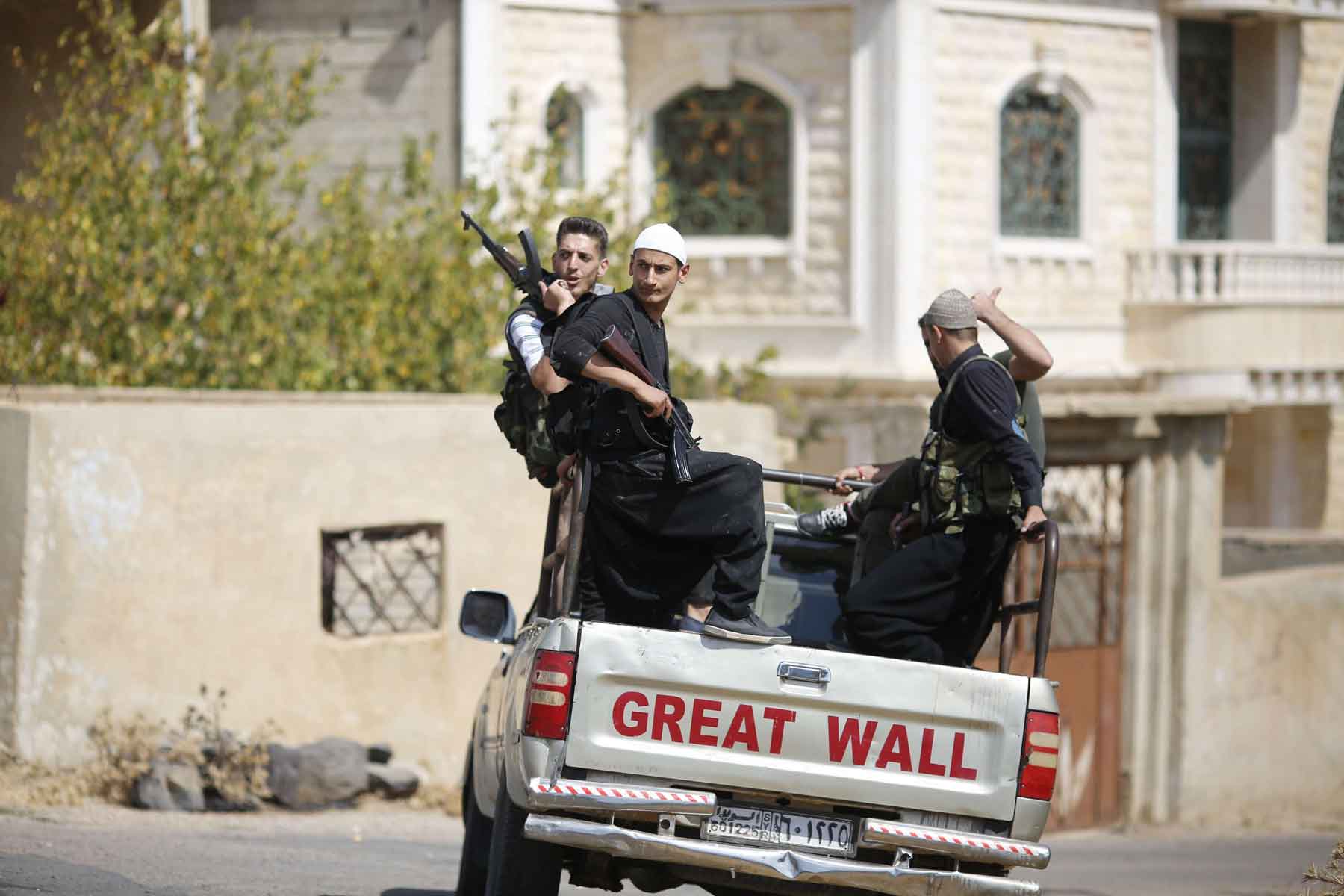
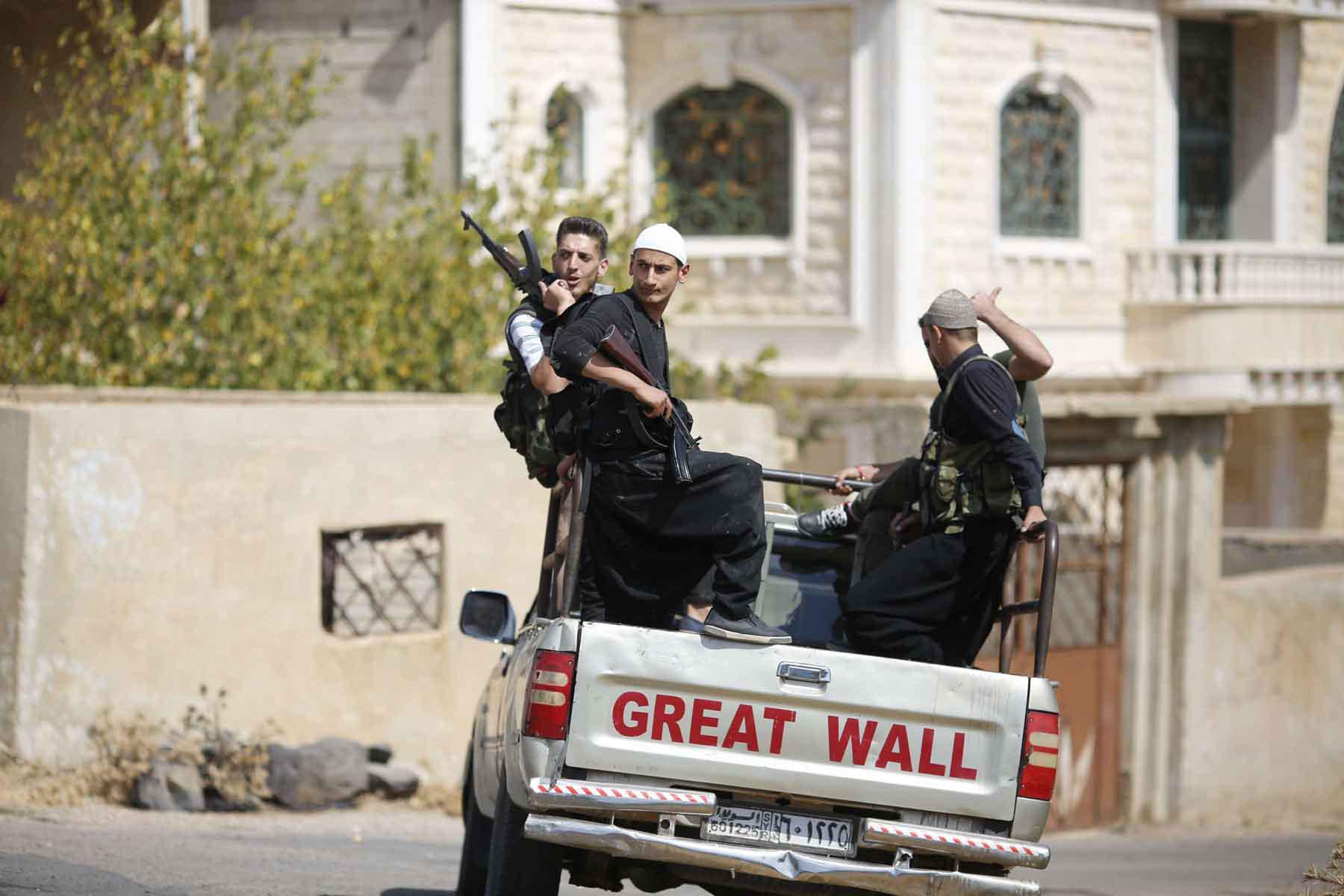
DAMASCUS – Armed Druze groups in southern Syria’s Sweida province launched mortar attacks against local internal security points, a Syrian security source confirmed, marking a serious challenge to Damascus’s authority. The violence comes just days after a ceasefire agreement was reached between the Syrian Democratic Forces (SDF) and the government, aimed at integrating Kurdish fighters into state institutions.
State-run Syrian News Agency (SANA) quoted a security official saying that “lawless gangs” attempted to infiltrate the area around Mansoura village in western Sweida, targeting government security positions. Details of casualties were not immediately available.
The ongoing unrest has claimed over 1,600 lives, including a significant number of Druze civilians, according to the Syrian Observatory for Human Rights. Reports also document field executions and violations affecting the minority community, while the government asserts it has protected displaced Bedouin populations.
Israeli forces reportedly struck targets near the presidential palace and the general staff headquarters in Damascus during the violence, pledging protection for the Druze minority.
Calls for Sweida’s independence have been issued by various Druze leaders, including Hikmat al-Hijri, though Damascus firmly rejects such demands. Protests and demonstrations in the province have called for self-determination, humanitarian corridors, and the removal of state security forces from Druze villages.
In response to the unrest, a so-called National Guard was established last September to manage security in the province. This move has been contested by many Druze factions, including Laith al- Balous, head of the influential Druze movement “Rijal al Karama.” Months ago, 30 armed groups in Sweida declared their unification under the National Guard, pledging full loyalty to Hijri, whom they recognise as the Druze community’s legitimate authority.
The security situation in Sweida remains highly volatile, with access to the provincial centre difficult due to the armed groups’ control. Residents also accuse the government of imposing a siege on the area, which Damascus denies.
Observers note that the Druze insurgents receive indirect support from Israel, with Prime Minister Benjamin Netanyahu repeatedly calling for the protection of Druze communities in Syria and the opening of humanitarian corridors. Damascus, however, views Israeli involvement as a violation of national sovereignty.
Since the fall of Bashar al-Assad’s regime on December 8, 2024, the government has sought to reassert control across Syria. Despite these efforts, certain armed groups continue to challenge state authority and promote disorder, which Damascus has vowed to end, emphasising its determination to restore full control over all national territory.