


A ‘very large-scale project’
Kuwait, Saudi Arabia launch tenders for Dorra field as Iran dispute lingers
The decision to proceed with tendering is widely seen as an attempt to impose a new reality on the ground, ending years of political ambiguity.
Monday 02/02/2026
A ‘very large-scale project’
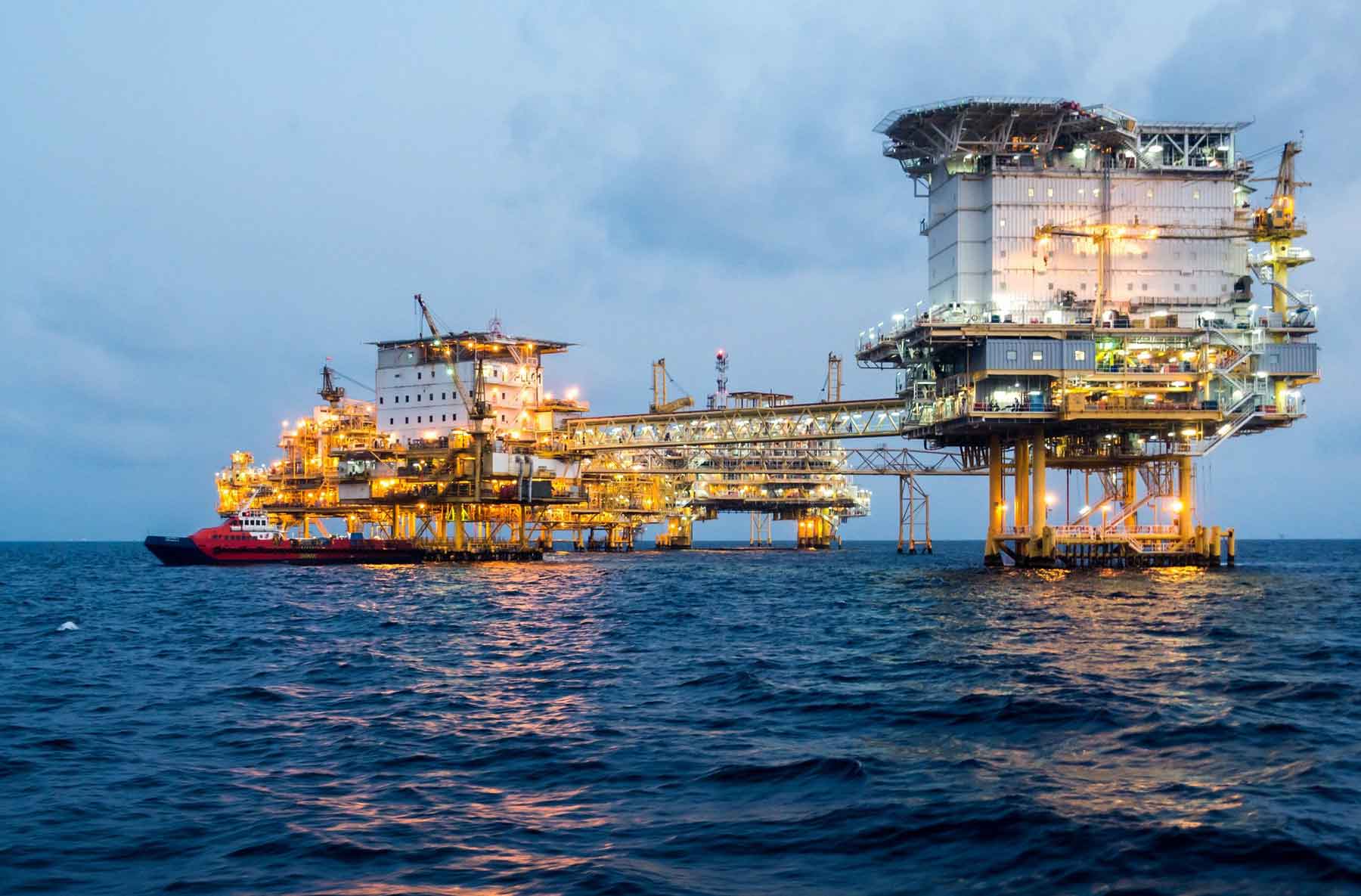
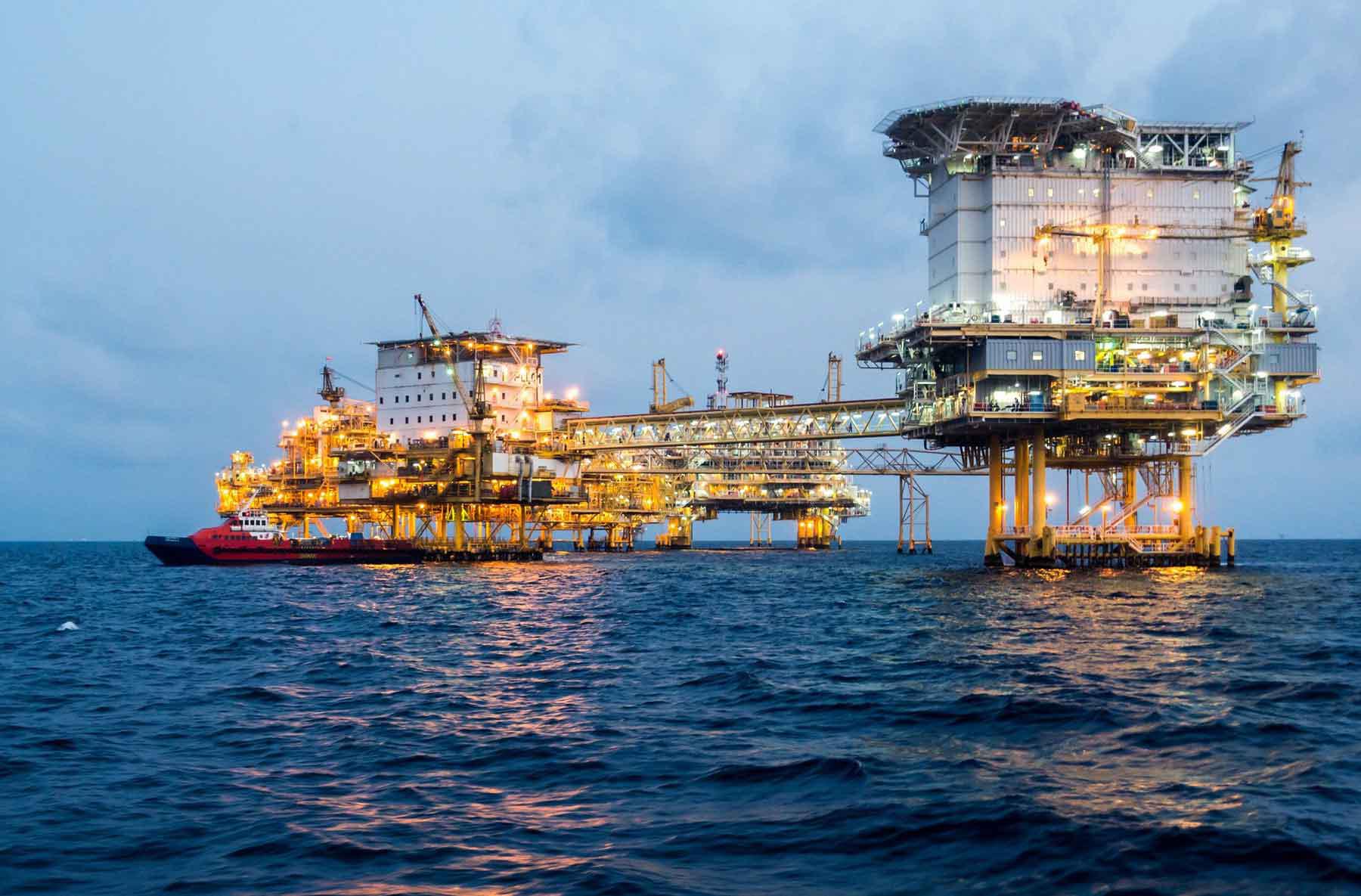
KUWAIT CITY/RIYADH – The disputed Dorra gas field has emerged as a cornerstone of future energy strategies for both Kuwait and Saudi Arabia, as the two Gulf states move decisively from diplomacy to execution despite continuing objections from Iran.
Kuwait’s Oil Minister Tariq al-Roumi announced on Monday that major tenders for the Dorra project are set to be launched later this year, marking the start of full-scale implementation after years of political and legal contention. The move signals growing confidence in the joint Kuwaiti-Saudi position and a determination to translate long-standing agreements into tangible production.
Roumi said the project is progressing along “two parallel tracks” in close coordination with Saudi Arabia, underlining what he described as a unified vision and stance between the two neighbours. His remarks echo repeated affirmations by the Gulf Cooperation Council that ownership of natural resources in the Partitioned Neutral Zone’s offshore area, including the Dorra field, is shared exclusively between Kuwait and Saudi Arabia.
Successive GCC summits and joint statements have firmly rejected what they describe as Iranian “claims” to the field, insisting that the area lies entirely within the sovereign maritime boundaries of Kuwait and Saudi Arabia. Both countries base their position on formally documented border demarcation agreements, while renewing calls for Iran to engage in negotiations over the eastern boundary of the offshore zone in accordance with international law. Gulf officials have consistently stressed that the Dorra field is located west of that line.
Describing Dorra as a “very large-scale project,” Roumi said it would involve extensive engineering, construction and advanced technical tenders. His assurance that “things are more than fine” was widely read as a signal to global markets and potential investors that bilateral coordination is solid, both legally and logistically.
Once operational, the field is expected to produce around one billion standard cubic feet of natural gas per day, in addition to roughly 84,000 barrels of condensates, potentially fuelling a major industrial expansion across both countries.
The dispute over Dorra dates back to 1967, when concessions granted by Iran to British Petroleum overlapped with those awarded by Kuwait to Shell in the northern part of the field. While Tehran maintains that the reservoir extends into its territorial waters, Kuwait and Saudi Arabia insist that it lies entirely within their jointly administered offshore zone.
Despite multiple rounds of talks, most recently in 2023 and 2024, negotiations have failed to yield a breakthrough, largely due to Iran’s insistence on what it calls “historical rights,” which Gulf states argue lack any basis in international law.
Since the start of this year, Iranian officials have continued to hint at unilateral exploration, warning that Gulf steps amount to crossing “red lines,” language Kuwait and Saudi Arabia view as legally unfounded and deliberately provocative.
The decision to proceed with tendering is widely seen as an attempt to impose a new reality on the ground, ending years of political ambiguity and transforming the Dorra field from a point of contention into a symbol of Gulf economic and sovereign integration.
For Kuwait and Saudi Arabia, the project represents not only a boost to regional energy security, but also a rejection of what they see as pressure tactics and prolonged obstruction.