

A polarising figure that would little to stabilise the country
Iran defends Maliki amid fears of losing influence in Iraq
Iran’s discourse on sovereignty contrasts sharply with reality: Tehran’s entrenched influence in Iraq has long been exercised through political allies and armed groups.
Tuesday 03/02/2026
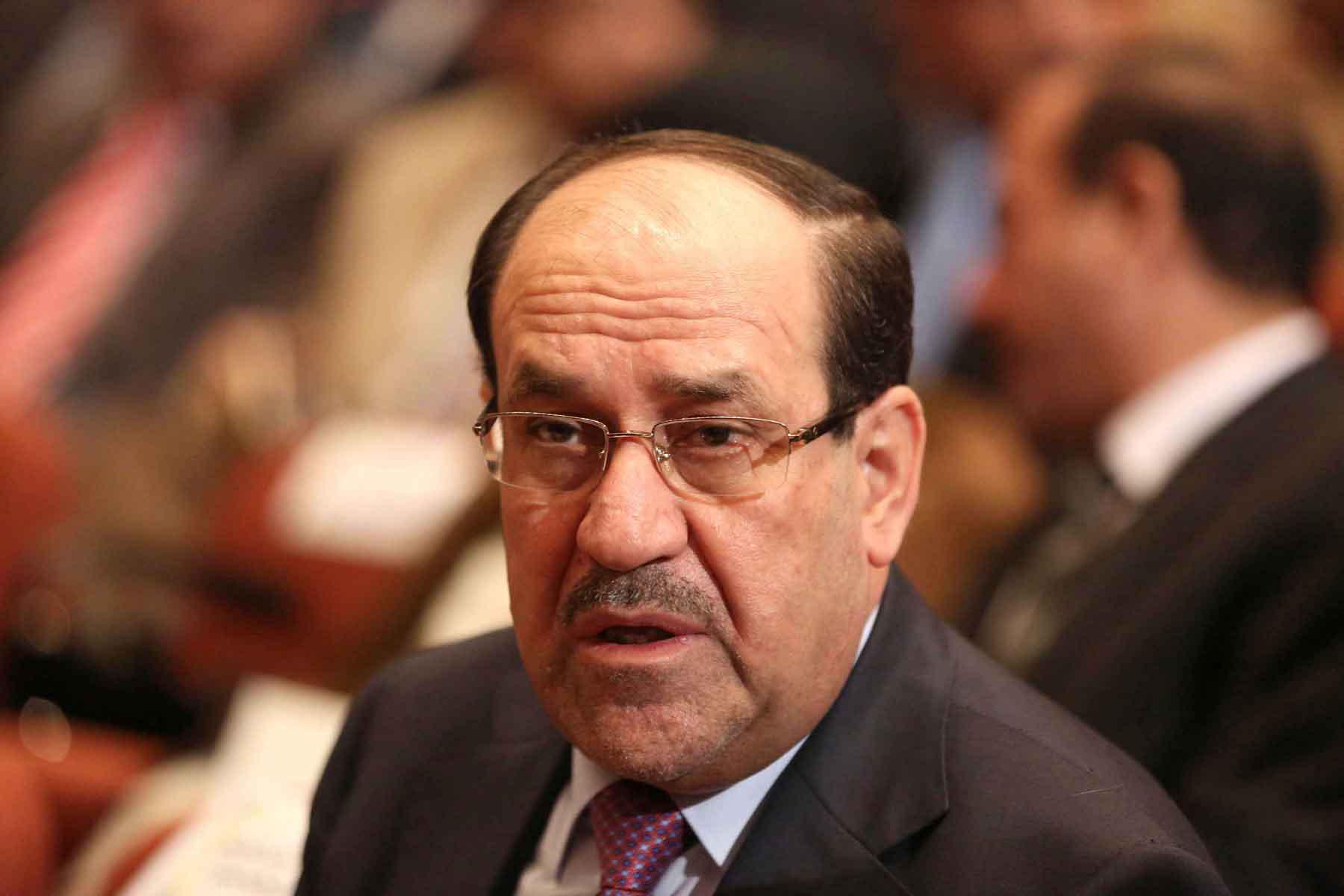
A polarising figure that would little to stabilise the country
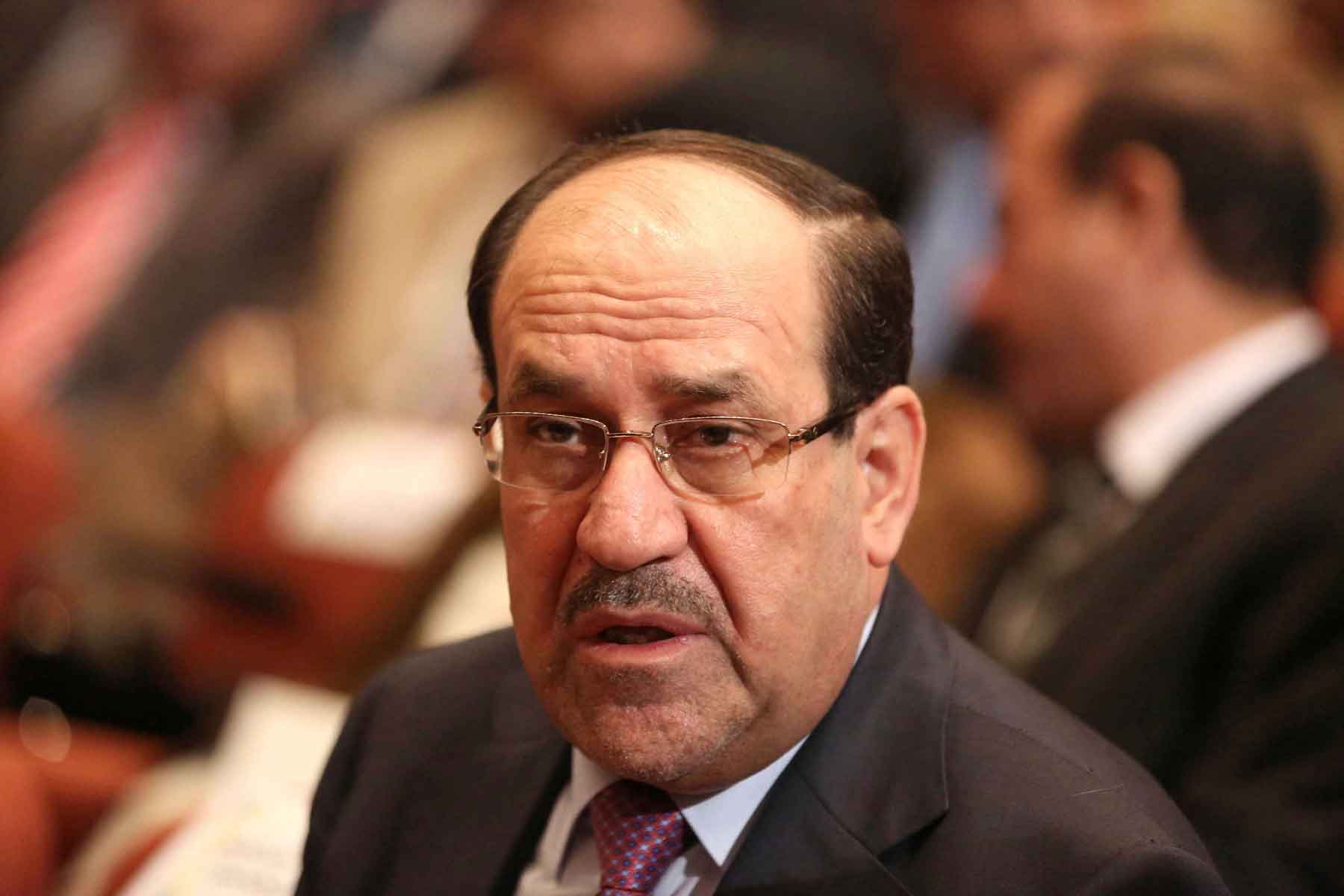
TEHRAN/BAGHDAD – As tensions between Washington and Tehran escalate, Iraq is once again at the forefront of a proxy struggle between the two powers. Iranian efforts appear focused on reshaping the Iraqi political landscape to safeguard Tehran’s strategic interests, with the possible return of Nouri al-Maliki, leader of the State of Law coalition and a key figure in the Shia Coordination Framework, emerging as a central priority. Analysts say Maliki represents a low-cost option for Iran amid increasing US threats of military action.
The recent media campaign by Tehran Times, closely aligned with Iran’s ruling circles, against the US objection to Maliki’s premiership, underscores Tehran’s fear of losing a critical lever of influence in Iraq. The newspaper framed the US position as an infringement on “Iraqi sovereignty,” while overlooking decades of direct Iranian intervention in Iraq’s political, security and military affairs.
Iran’s discourse on sovereignty contrasts sharply with reality: Tehran’s entrenched influence in Iraq has long been exercised through political allies and armed groups whose loyalty lies more with Iran than with the Iraqi state. Observers say references to sovereignty are therefore selective political tools, deployed when convenient, rather than consistent principles.
For Iran, Maliki is seen as a reliable actor capable of maintaining governance patterns that keep Tehran’s channels of influence open. In a highly-complex regional environment, with US-Iran tensions rising and military confrontation looming, Iran seeks to secure its western flank through an Iraqi government more aligned with its interests and less susceptible to Washington’s influence.
Iranian media portrayals of Maliki as a symbol of national decision-making, under constant threat from Washington and Tel Aviv, aim to mobilise Shia public opinion and political factions behind him. However, this narrative deliberately ignores that Iraq has become a theatre for US-Iranian competition, and that insisting on polarising figures does little to stabilise the country, instead deepening its fragility.
Washington, for its part, sees Maliki’s potential return as a conduit for Iranian influence within Iraq’s institutions, even as the US seeks to tighten its regional leverage. The American opposition is therefore less about defending sovereignty than about controlling the shape and orientation of Iraq’s political system.
The stakes rise further amid talk of direct US-Iran confrontation, raising fears that Iraq could again become a battlefield for proxy pressure, whether political or security-related. In this context, the struggle over the premiership is no longer a purely domestic mattern it forms part of a broader regional contest.
Ultimately, Tehran’s defence of Maliki highlights the Iranian bet on Iraq as a political and security buffer against Washington. But this strategy, built on recycling divisive figures and cloaking foreign interference in slogans of sovereignty, leaves Iraq facing a stark choice: either assert independent decision-making or remain a contested arena shared by rival capitals.