

A killing that will likely have far-reaching political consequences
Figures close to Seif al-Islam reveal details of his assassination
Seif al-Islam’s lawyer Marcel Ceccaldi said that the head of the Gadhafi tribe had recently offered to send guards to protect Seif al-Islam after warnings of looming threats.
Wednesday 04/02/2026
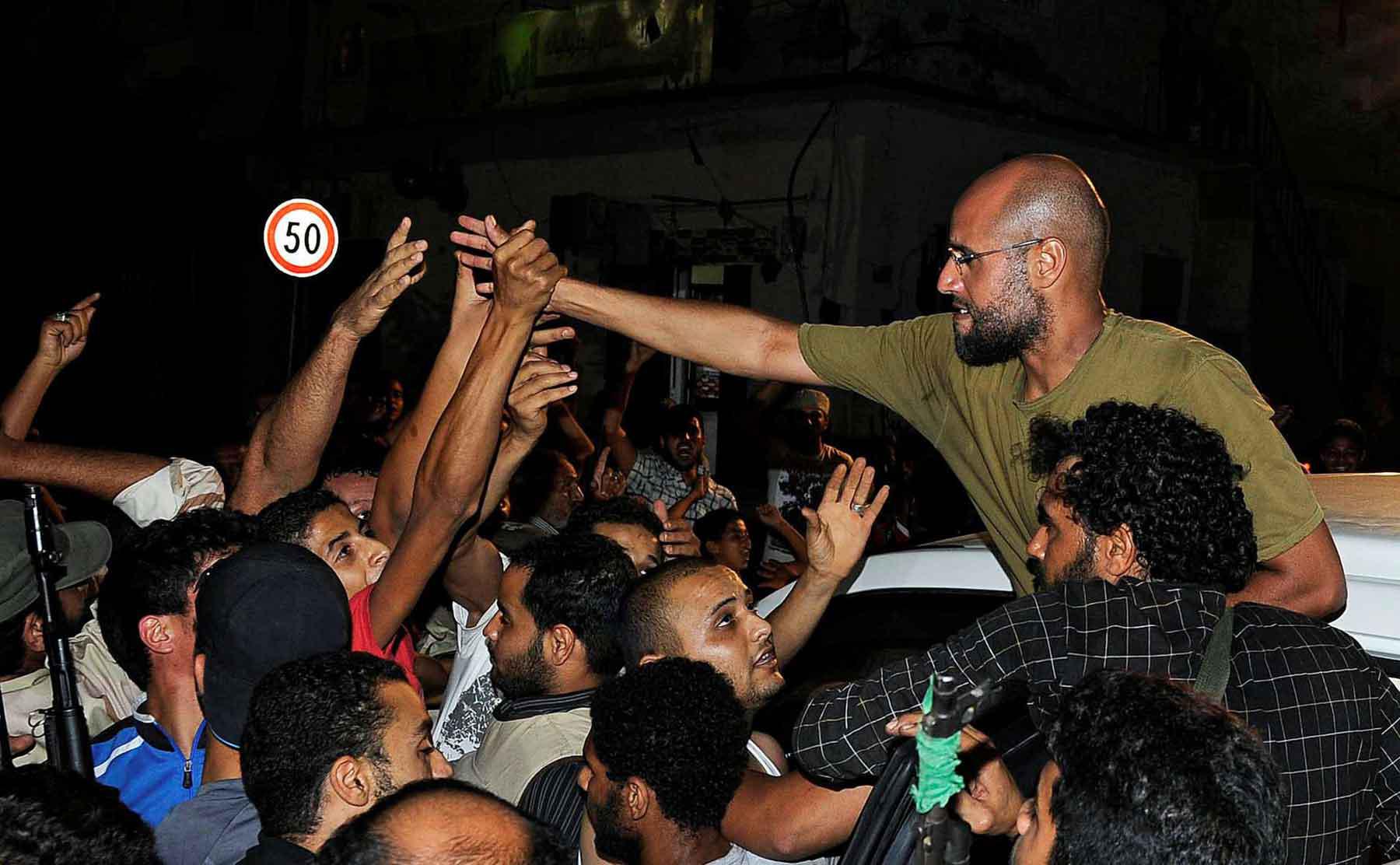
A killing that will likely have far-reaching political consequences
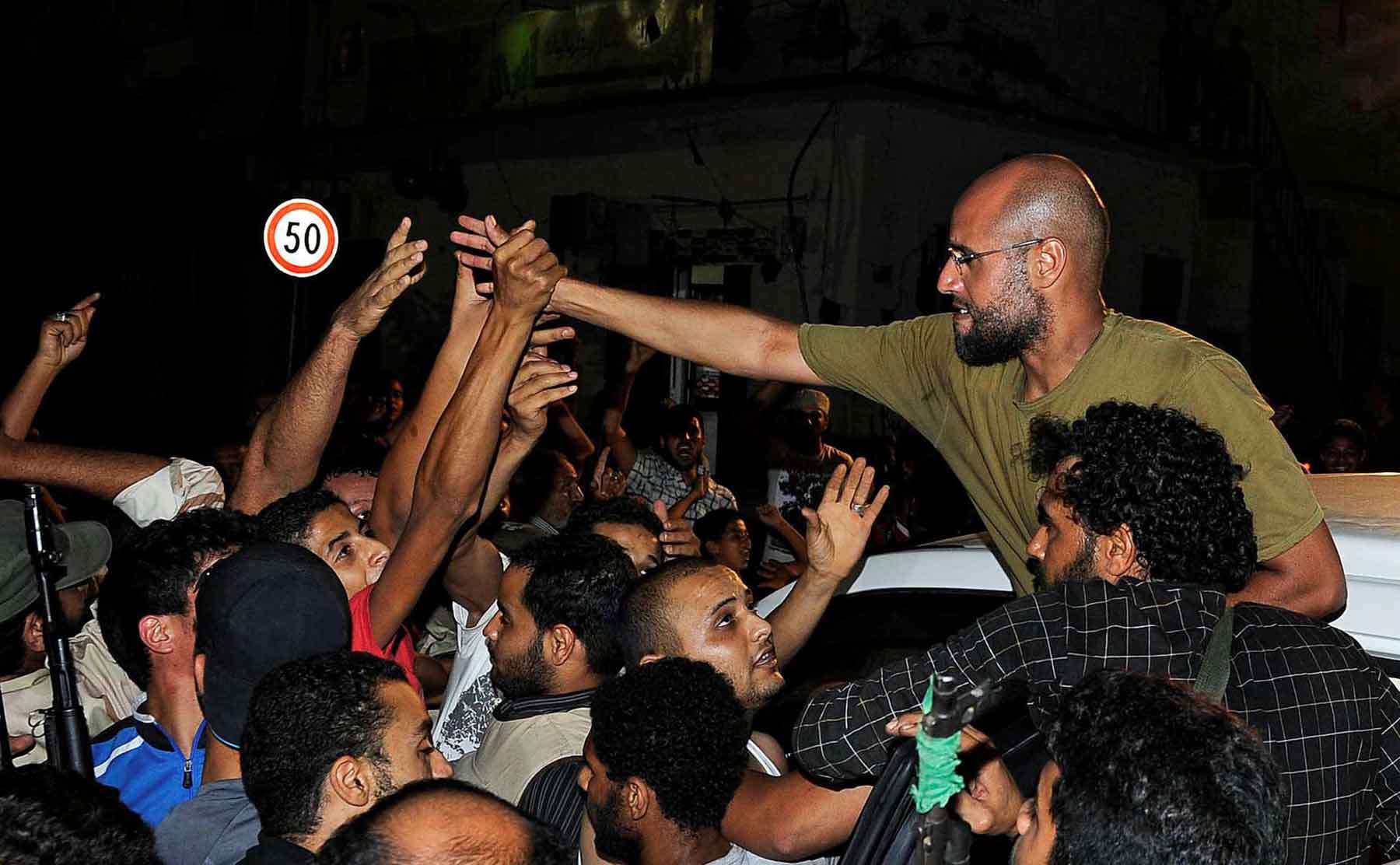
TRIPOLI – Figures close to Seif al-Islam Gadhafi, the son of Libya’s late ruler Muammar Gadhafi, have begun revealing new details surrounding his killing, as Libyan prosecutors confirmed an investigation into an assassination that has sent shockwaves through the country’s fractured political landscape.
Saif al-Islam, 53, was shot dead on Tuesday after four gunmen stormed his home in the western Libyan town of Zintan, according to his French lawyer Marcel Ceccaldi. Speaking to reporters, Ceccaldi said the attackers carried out a coordinated operation, killing him at around 2:00 pm local time.
“He was killed in his home by a four-man commando,” Ceccaldi said, adding that associates of Seif al-Islam had raised concerns about his security in the days before the attack.
Those concerns were echoed by Abdullah Othman Abdurrahim, one of Saif al-Islam’s advisers, who told Libya’s Al-Ahrar television channel that the attackers disabled surveillance cameras before executing him, suggesting a planned and professional operation.
Ceccaldi said that the head of the Gadhafi tribe had recently offered to send guards to protect Seif al-Islam after warnings of looming threats. “But Seif refused,” the lawyer said, adding that his client frequently moved between locations and had declined additional security measures.
Investigation launched, suspects unknown
Libya’s public prosecutor’s office said on Wednesday that forensic teams had been dispatched to Zintan and that investigators were working to identify those responsible for the killing.
“The victim died from gunshot wounds,” the prosecutor’s office said in a statement, adding that authorities were seeking to question witnesses and anyone with information that could clarify the circumstances of the attack.
It remains unclear who carried out the assassination or who ordered it. Neither the UN-backed government in Tripoli nor the eastern administration aligned with Khalifa Haftar has issued an official statement on Seif al-Islam’s death.
The only public reaction from Libya’s leadership came from Moussa al-Kouni, vice-president of the Presidential Council representing the Fezzan region, who condemned the killing.
“No to political assassinations, no to achieving demands by force, and no to violence as a language or a means of expression,” Kouni wrote on X.
A polarising figure
Although Seif al-Islam held no formal post under his father’s rule, he was widely viewed as Libya’s de facto prime minister in the years before the 2011 uprising. He cultivated an image as a moderniser and potential reformer, fluent in the language of Western diplomacy and economic change.
That image collapsed during the Arab Spring revolt, when he warned that Libya would face “rivers of blood” if protests continued, aligning himself decisively with his father’s violent crackdown.
He was arrested in November 2011 in southern Libya under an International Criminal Court warrant accusing him of crimes against humanity. Although sentenced to death by a Tripoli court in 2015 following a controversial trial, he was later granted amnesty. His precise whereabouts had remained unclear for years, with Ceccaldi saying he “often moved around.”
In 2021, Seif al-Islam announced his intention to run in Libya’s long-delayed presidential elections, a move that reignited deep divisions in the country. The elections were later postponed indefinitely.
Political impact and legacy
Libya analyst Emadeddin Badi said Saif al-Islam’s killing was likely to have far-reaching political consequences.
“His death will likely cast him as a martyr for a significant segment of the population,” Badi said, adding that it could also reshape electoral dynamics by removing one of the most controversial obstacles to presidential elections.
“His candidacy and potential success had been a central point of contention,” Badi wrote on X.
Former Gadhafi spokesman Moussa Ibrahim described the killing as a betrayal, saying Saif al-Islam had been committed to reconciliation.
“They killed him treacherously,” Ibrahim wrote. “He wanted a united, sovereign Libya, safe for all its people. I spoke with him two days ago. He spoke only of a peaceful Libya and the safety of its people.”
A country still divided
Seif al-Islam’s assassination comes against the backdrop of a country that has failed to stabilise more than a decade after the NATO-backed uprising that toppled his father in 2011. Libya remains split between rival governments, armed groups and competing foreign interests, with political violence still a recurring feature of public life.
As investigators work to determine who ordered the killing, many Libyans fear that the assassination may deepen existing fault lines, and further delay hopes of national reconciliation and long-promised elections.