


An artistic journey that successfully balanced continuity with reinvention
Egypt honours screen diva Nabila Ebeid in tribute to a golden era
For Ebeid, the occasion revived an era when Egyptian television was not merely a broadcaster, but a powerful cultural institution capable of shaping public consciousness.
Tuesday 19/05/2026
An artistic journey that successfully balanced continuity with reinvention
CAIRO – In a moment steeped in nostalgia and recognition, Egyptian screen legend Nabila Ebeid has returned to the spotlight following her latest honour from Egyptian state television, in what many saw as a heartfelt tribute to one of the most enduring and influential careers in Arab cinema.
The celebration felt less like a routine ceremony and more like a revisiting of a remarkable artistic journey spanning more than five decades, during which Ebeid carved out an extraordinary presence in film and television drama, becoming one of the defining faces of Egyptian and Arab popular culture.
The veteran actress, often dubbed “Egypt’s First Star,” linked the tribute to the emotional memory of her early beginnings, describing Cairo’s iconic Maspero television building as her “first home.” For Ebeid, the occasion revived an era when Egyptian television was not merely a broadcaster, but a powerful cultural institution capable of shaping public consciousness and creating stars whose influence extended far beyond the screen.
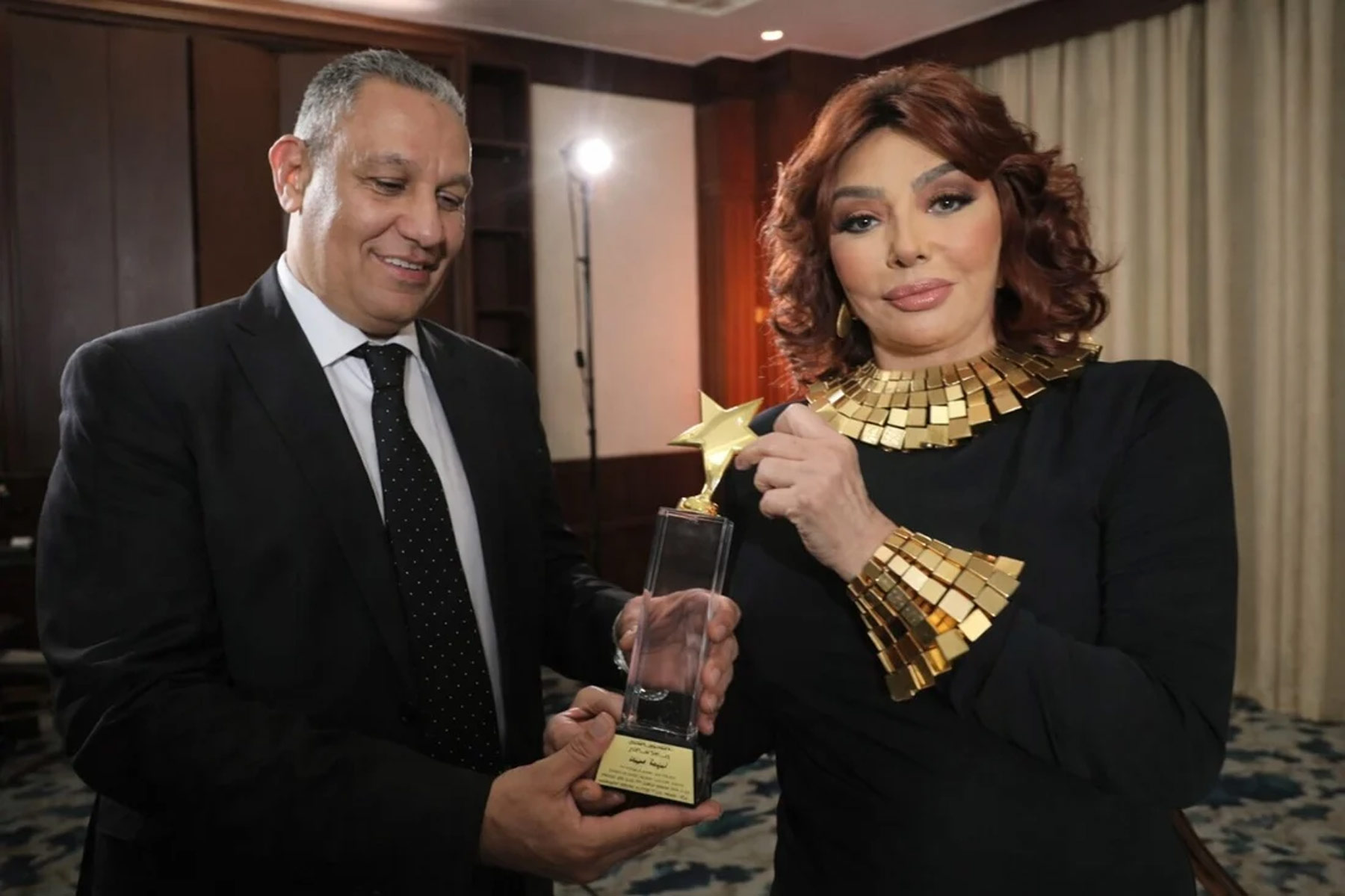
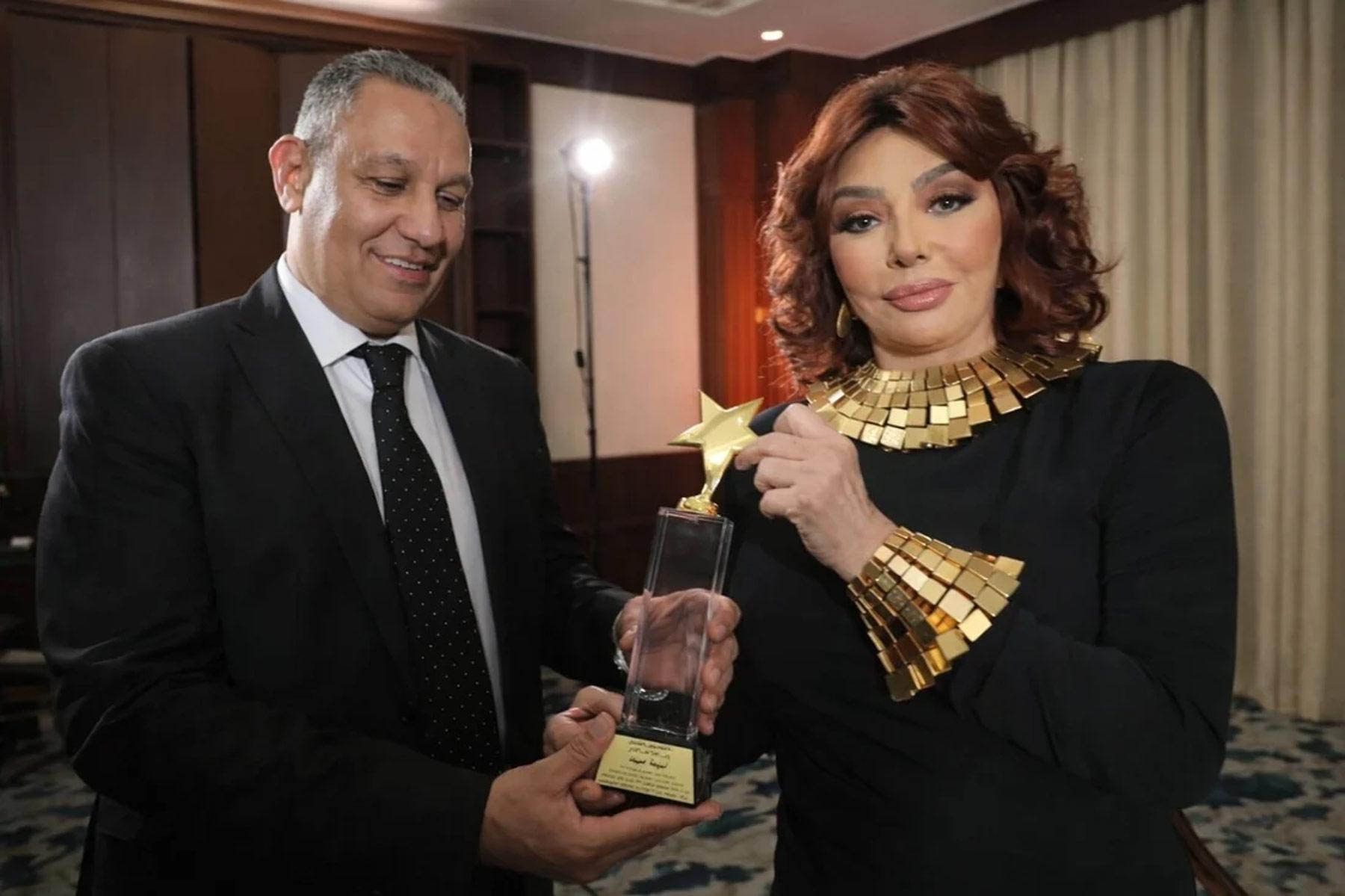
That emotional connection gave the honour a significance far greater than the commemorative shield she received. To many observers, it represented an institutional acknowledgment of the role art has played in shaping Egyptian national identity, and a reminder that true stardom is built not only on fame, but on a lasting relationship between artist and audience.
Since emerging in the late 1960s, Ebeid steadily transformed herself from a promising newcomer into one of the Arab world’s most recognisable actresses. Her body of work ranged across social drama, romance and suspense, yet she became particularly renowned for portraying bold, controversial and complex women, characters that often mirrored the social and cultural transformations unfolding within Egyptian society itself.
Her ability to combine dramatic depth with mass appeal became one of the defining secrets behind her longevity. Decade after decade, Ebeid retained both her glamour and cultural relevance in an industry known for its relentless reinvention.
Her latest honour came during a festive television event recorded ahead of Eid al-Adha celebrations. Ebeid later shared photographs on social media showing her receiving the award from the head of Egypt’s television sector, sparking widespread reactions online.
Many commentators viewed the tribute as recognition not only of Ebeid herself, but of an entire generation of artists who helped define the golden era of modern Egyptian cinema.
The ceremony also carried wider cultural symbolism at a time when digital platforms and social media increasingly dominate entertainment consumption. For many Egyptians, celebrating icons such as Ebeid serves as a reminder that stardom was once measured not by algorithms, viewing figures or online followers, but by artistic works that tackled social and human issues and created unforgettable characters that remain deeply embedded in public memory.
Throughout her career, Ebeid collaborated with some of the Arab world’s most celebrated directors and writers, experiences that enriched her artistic range and cemented her place among the greats of Egyptian cinema.
Critics have long credited her with bringing unusual emotional and social complexity to her performances. Whether portraying women confronting injustice, desire, ambition or societal judgment, she consistently delivered roles that resonated with audiences across generations.
Beyond cinema, Ebeid also established a major presence in television drama, starring in productions that achieved both critical acclaim and commercial success. Her ability to move seamlessly between film and television reinforced her image as a versatile artist capable of mastering multiple forms of storytelling.
That diversity became one of the pillars of her enduring success, allowing her to remain a dominant cultural figure without losing either her artistic credibility or her connection to audiences.
Her latest recognition from Egyptian television once again highlighted the symbolic relationship between artists and national media institutions, particularly Maspero, which has long served as the beating heart of Egypt’s broadcasting and artistic memory.
Numerous actors, media personalities and cultural figures praised the tribute, saying Ebeid’s career had profoundly enriched Arab artistic life and arguing that honouring cultural pioneers remains essential to preserving collective memory and celebrating those who shaped it.
Between past and present, Nabila Ebeid’s career continues to stand as a rare example of an artistic journey that successfully balanced continuity with reinvention, popular appeal with critical recognition.
And with every new tribute, admiration for her legacy is renewed, ensuring that her name remains permanently etched into the history of Egyptian and Arab cinema.