


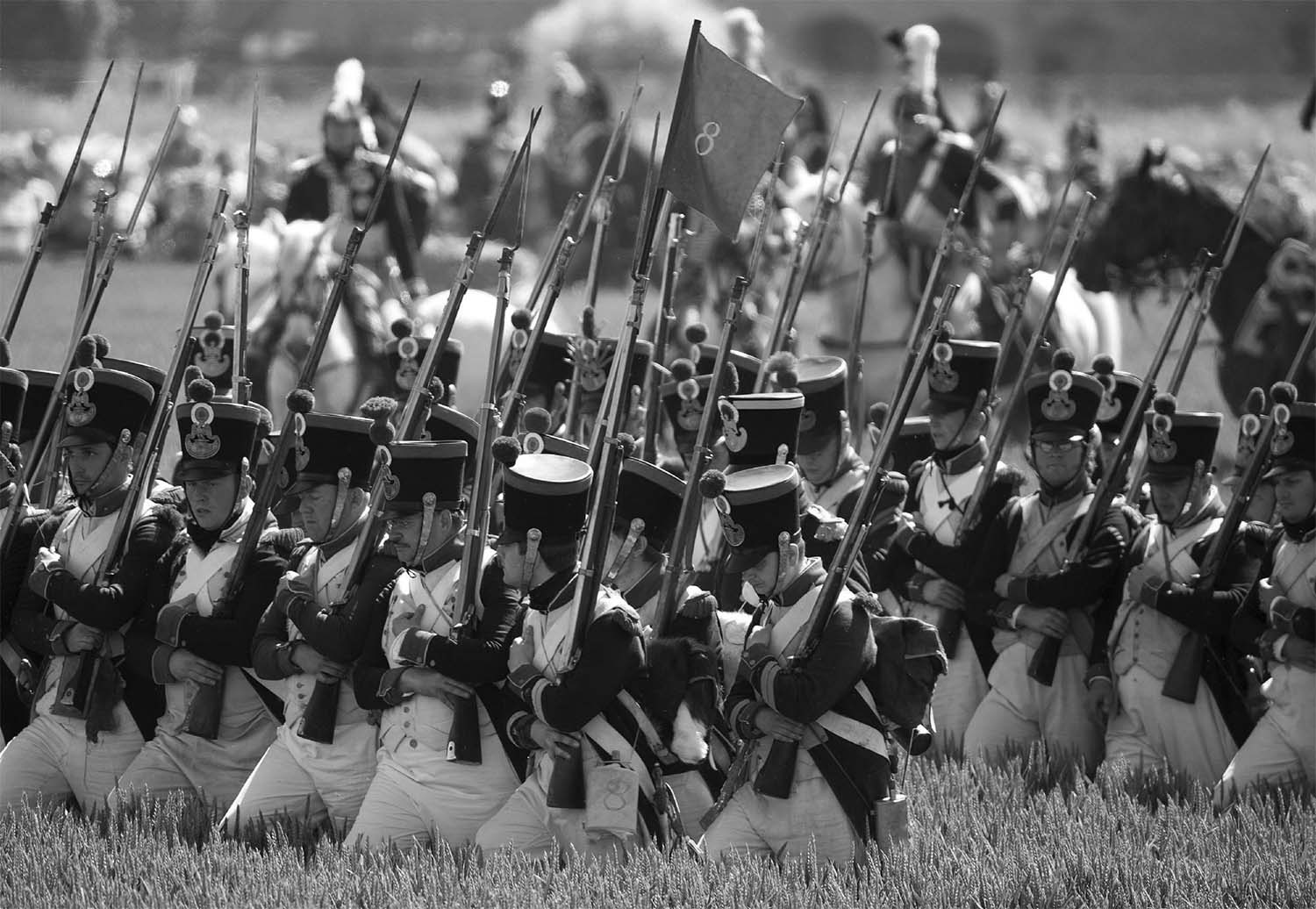
After the Battle of Waterloo in 1815, where tens of thousands of soldiers fell in a few hours, the ground turned into an open market
Smiles born from fields of death
The story of the human tooth trade reveals a complex side of medical history, where medical progress intersects with the exploitation of war and poverty, and where wars turn into resources and death into useful material.
Wednesday 14/01/2026
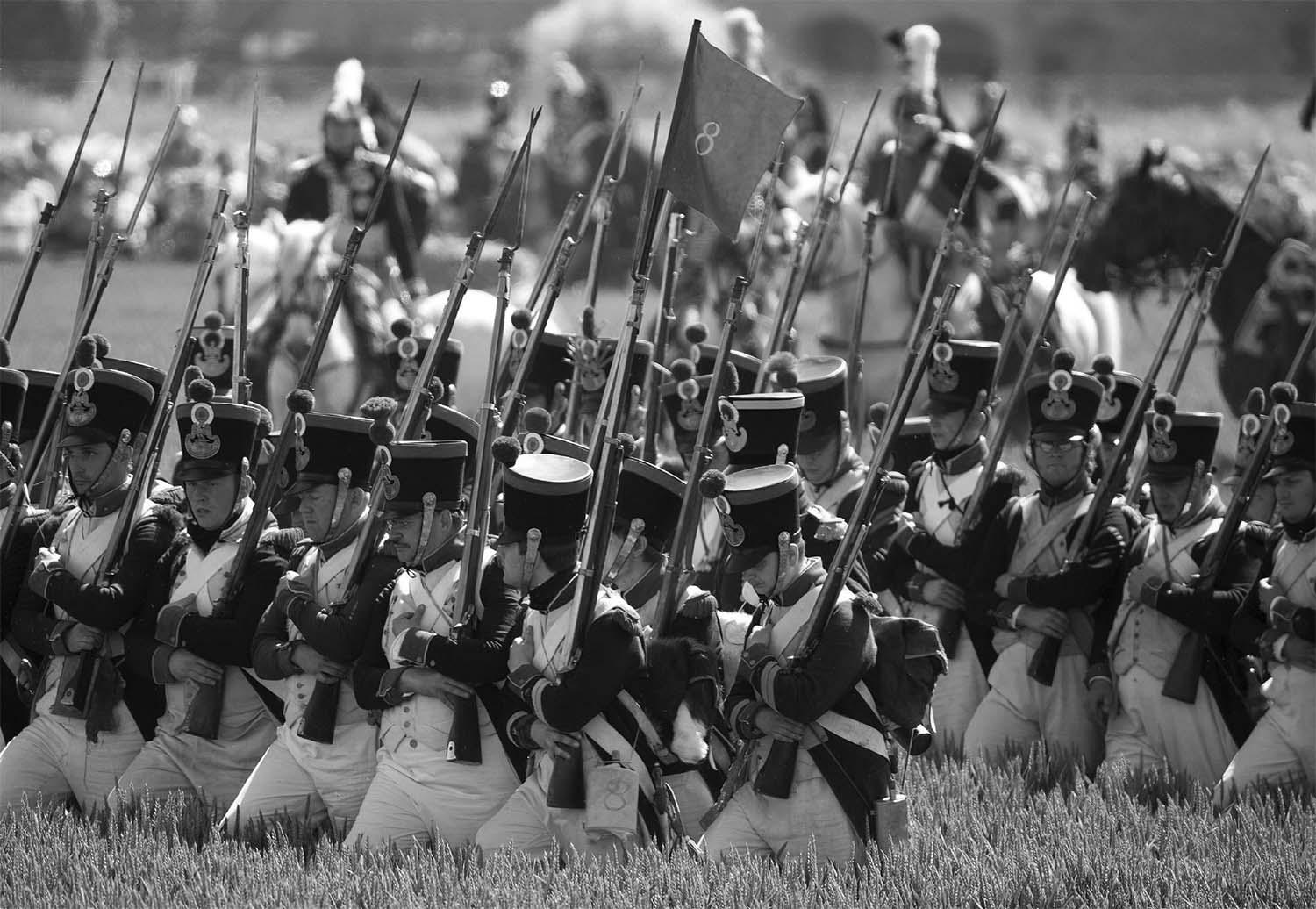
After the Battle of Waterloo in 1815, where tens of thousands of soldiers fell in a few hours, the ground turned into an open market
In nineteenth-century Europe, a smile was more than a mark of beauty; it was a social symbol defining class and status. With the spread of tooth decay due to the prevalence of sugar and urban life, the wealthy faced a true dilemma: how to maintain a natural smile in an era before modern dentistry? Between animal ivory and unbearable primitive porcelain, a shocking idea emerged in its simplicity and brutality; real human teeth taken from the mouths of the dead to be implanted into the mouths of the living, turning a smile into a remnant of others' tragedies.
Thus, a strange trade arose, born in cemeteries and execution squares rather than clinics or laboratories, before finding a renewable source on great battlefields. After the Battle of Waterloo in 1815, where tens of thousands of soldiers fell in a few hours, the ground turned into an open market. Fresh corpses, young teeth unwearied by age or disease, and a rare opportunity for merchants and dentists in London and Paris. The process was rough, involving extraction with pliers, preliminary cleaning, and transport via networks of middlemen to European capitals to be fixed into luxury sets in the mouths of the elite.
The description "Waterloo Teeth" soon became common in medical and advertising discourse, acting as a symbol of quality rather than an official brand, as if the battle itself became a certificate of origin. The teeth of young soldiers who died in their prime turned into a desired commodity, fixed in the mouths of the rich, making the smile a witness to a distant tragedy.
Despite the cruelty of the idea, it did not provoke widespread shock at the time; the medical and social community viewed the dead body as a legitimate resource for benefit, whether for dissection or dental replacement. While some clergymen and thinkers objected, and journalists wrote about "smiles stolen from death," the voice of the market was louder, and practical need overcame moral sentiment.
The phenomenon extended in varying degrees to later wars, from European conflicts to the Crimean War and the American Civil War, where human teeth were sometimes sent through intermediaries to Europe. Advertisements emphasized "teeth from young, healthy soldiers" to add a marketing character to the tragedy of war. Over time, this pattern began to decline, resulting from technological development rather than ethical reasons.
The appearance of denture bases made of vulcanized rubber by Charles Goodyear, followed by the spread of artificial porcelain teeth, provided cheaper, cleaner, and more stable alternatives.
The need for human teeth vanished, and demand gradually decreased until this trade nearly disappeared by the end of the nineteenth century, despite the continued use of human teeth in limited cases until the early twentieth century.
The story of the human tooth trade reveals a complex side of medical history, where medical progress intersects with the exploitation of war and poverty, and where wars turn into resources and death into useful material. It is a reminder that many aspects of modern civilization were born in morally gray areas, and that the smiles appearing peaceful in nineteenth-century portraits carried a silent history of blood, suffering, and innovation simultaneously.
When we look at portraits of aristocrats from that era, we might see a satisfied smile, but it actually carries a long journey from battlefields to the mouths of the wealthy a journey telling how medical innovation can be born from the heart of tragedy, and how the simplest details of the human body can carry a hidden history of violence and exploitation.
