



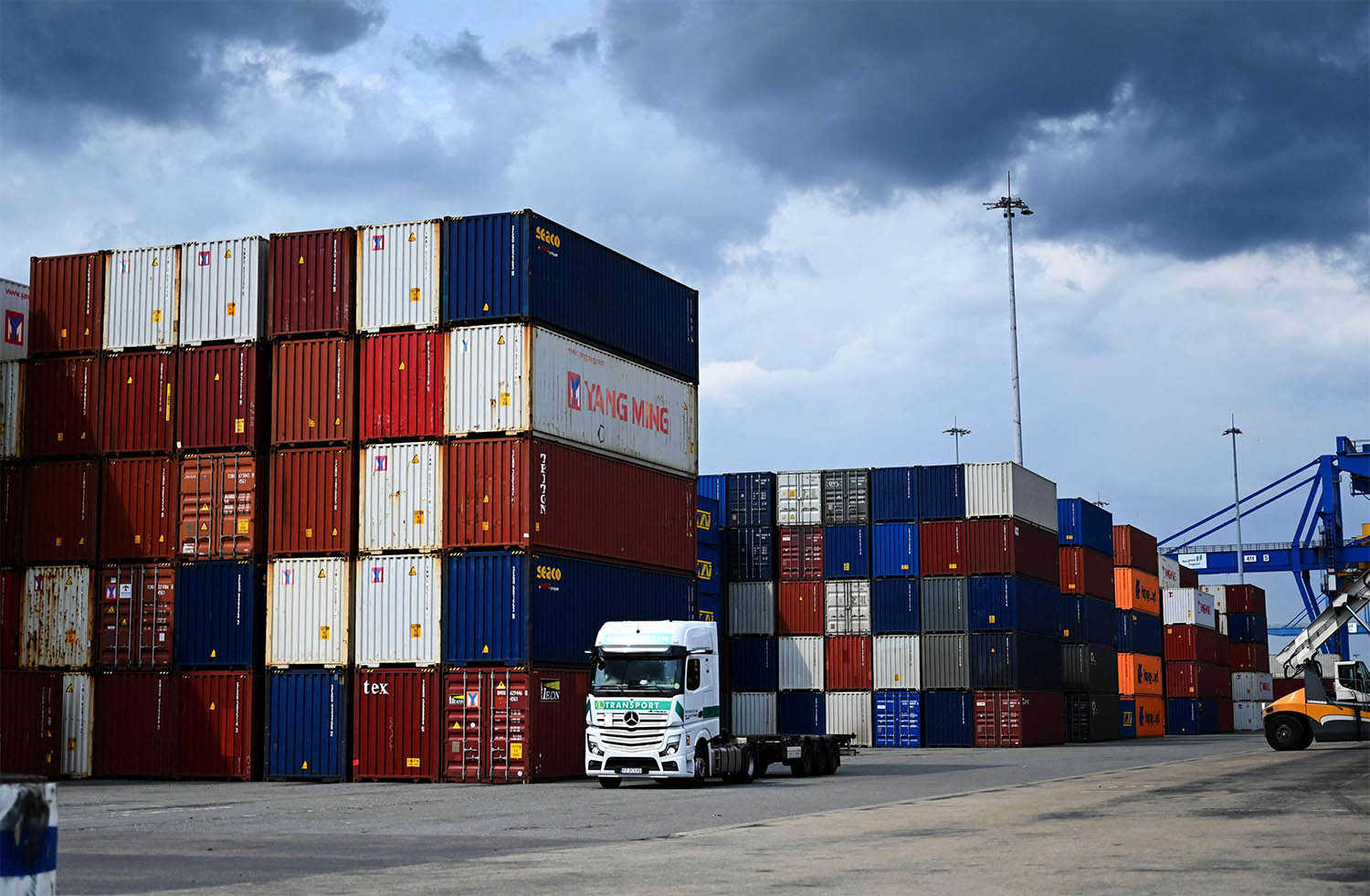
Through the Digital Silk Road, Beijing is seeking to export both technology and a model of digital governance that challenges Western norms
How China’s Digital Belt is rewiring global alliances
Ultimately, the Digital Silk Road is not merely a technology project; it is a political instrument, an economic strategy, and a vision for global governance.
Wednesday 15/10/2025
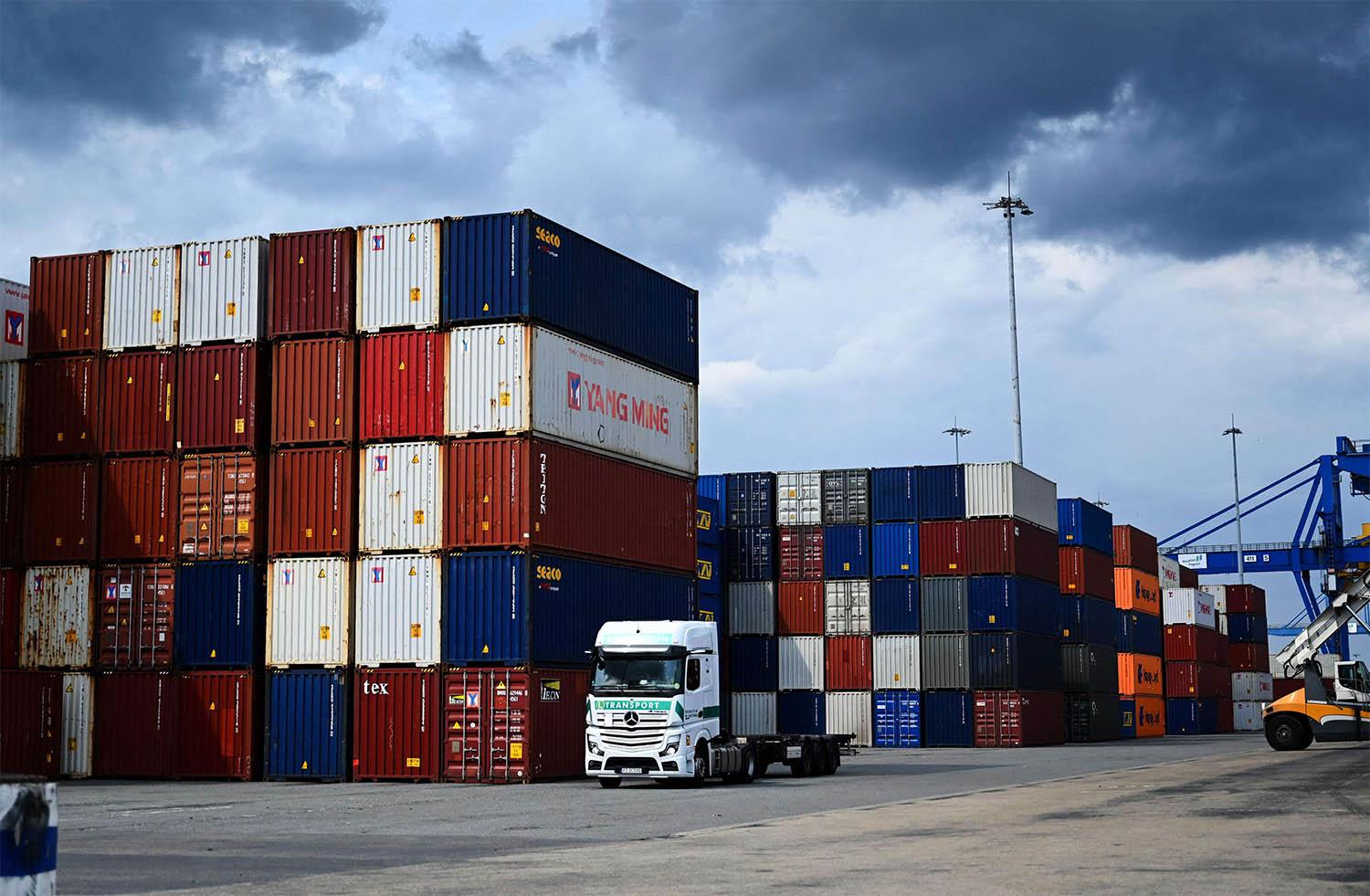
Through the Digital Silk Road, Beijing is seeking to export both technology and a model of digital governance that challenges Western norms
The world is entering a new era of technological geopolitics — and at its center stands China’s Digital Silk Road (DSR). Once a secondary component of the Belt and Road Initiative, it has now evolved into a comprehensive digital network connecting Asia, the Middle East, Africa, and parts of Europe. Its scope extends beyond fiber cables and data centers to include Artificial Intelligence (AI), smart cities, cloud computing, and digital governance. This transformation is not only technical — it’s deeply political.
Through the Digital Silk Road, Beijing is seeking to export both technology and a model of digital governance that challenges Western norms.
Launched officially in 2015, the Digital Silk Road was initially framed as a way to enhance global digital connectivity. Over time, it became a platform for exporting Chinese standards and influencing how the world’s data flows are managed. Analysts describe this expansion as the “Beijing Effect” — the growing adoption of Chinese-style digital frameworks in developing markets.
Through large-scale projects in Asia, Africa, and Latin America, China’s tech firms such as Huawei, Alibaba Cloud, and ZTE are shaping new norms for cyber governance and digital trade. While Western nations debate the risks of technological dependence, dozens of developing economies have already signed on — attracted by Beijing’s low-cost technology and flexible financing.
The Gulf region illustrates how China’s digital ambitions align with national transformation plans. Saudi Arabia’s Vision 2030, for example, shares with Beijing a commitment to diversify economies through innovation and AI. During King Salman’s 2017 visit to Beijing, the two sides signed multibillion-dollar agreements across energy, infrastructure, and education.
In August 2024, Saudi Arabia’s Public Investment Fund (PIF) signed $50 billion worth of deals with Chinese financial institutions, emphasizing digital economy and technology investment. China has also supported Saudi Arabia’s Green Transformation Project and partnered on AI applications in tourism and logistics through companies such as Baidu. These collaborations mark a shift from energy dependence to a data-driven partnership.
Across Europe, China’s digital diplomacy has met mixed reactions. Some states — particularly in the Balkans and Southern Europe — have welcomed Chinese investment in 5G infrastructure and smart logistics. Others, however, have sounded alarms over cybersecurity and sovereignty. The European Commission has since tightened screening for foreign tech suppliers, limiting the role of Chinese vendors in sensitive sectors.
Europe’s balancing act — between economic pragmatism and digital independence — remains one of Beijing’s biggest diplomatic tests.
For Washington, the Digital Silk Road represents a dual challenge: maintaining innovation leadership while protecting national security. The US has restricted exports of advanced semiconductors and AI tools to China, while rallying allies to form alternative tech coalitions under the OECD and G7 frameworks. Analysts call this emerging approach “AI diplomacy” — the use of technological cooperation to counter Beijing’s digital sphere of influence.
Yet China’s offer of affordable infrastructure and fewer political strings continues to appeal to developing nations, particularly in Africa and Latin America. As Europe arrives late to the digital race, China has already consolidated influence in Central Asia and parts of Latin America, effectively filling gaps in connectivity and shaping the digital norms of these regions.
Ultimately, the Digital Silk Road is not merely a technology project; it is a political instrument, an economic strategy, and a vision for global governance. Through it, Beijing seeks to define how data flows, how digital economies operate, and how states interact in the information age. But digital power is not predetermined. Nations that diversify their technology partnerships, strengthen local innovation ecosystems, and safeguard data governance will be best equipped to maintain true sovereignty in this emerging order. The competition among global powers in the 21st century is no longer about territory — it is about technology, data, and trust.
