




Brilliant technology alone cannot save a collapsing planet
What the world should learn from the global water crisis
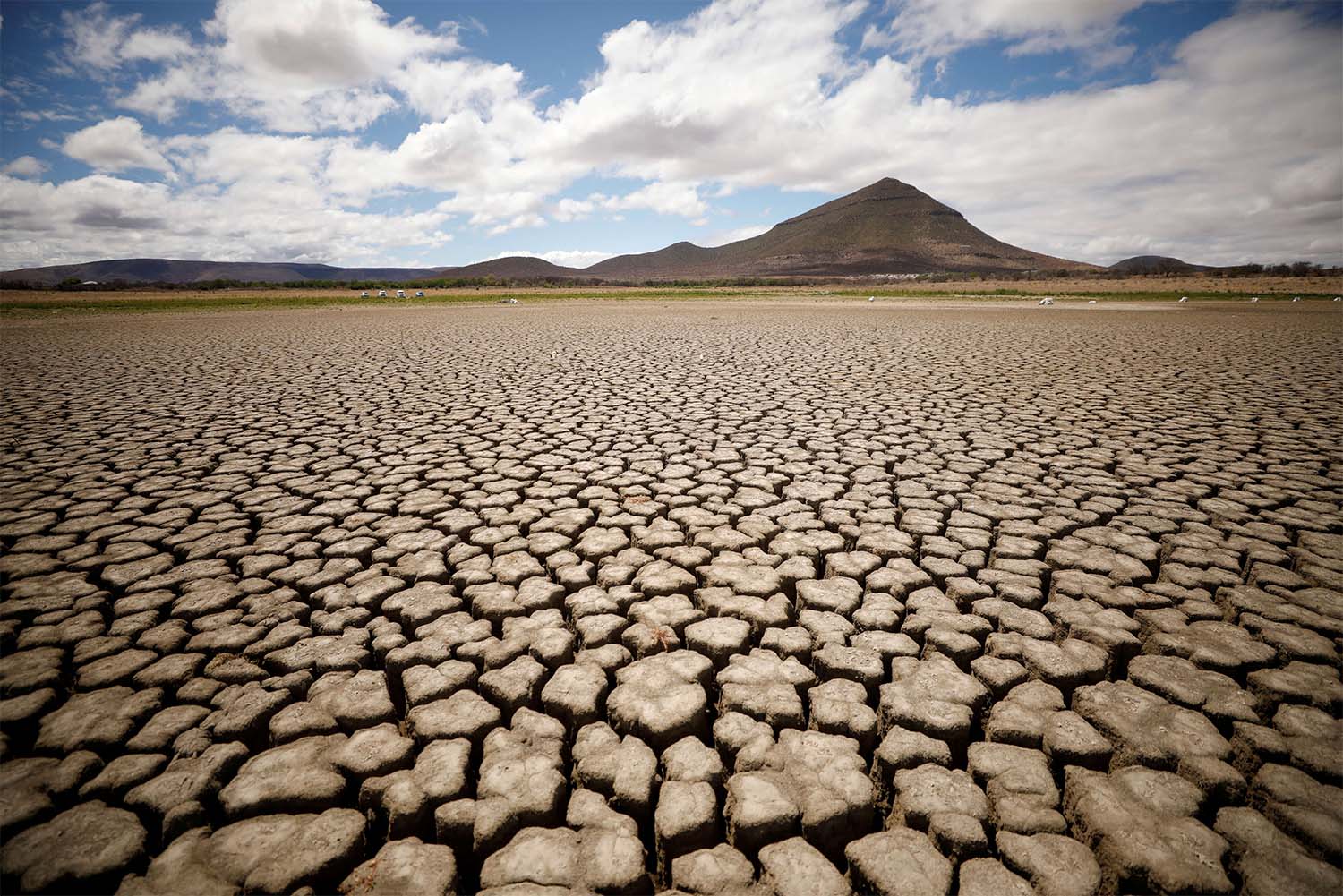
Today, major cities face strict water restrictions, the Nile is running dry, and lakes across Africa are shrinking rapidly. Ignoring scientific realities doesn’t delay catastrophe; it accelerates it.
Thursday 13/11/2025
Brilliant technology alone cannot save a collapsing planet
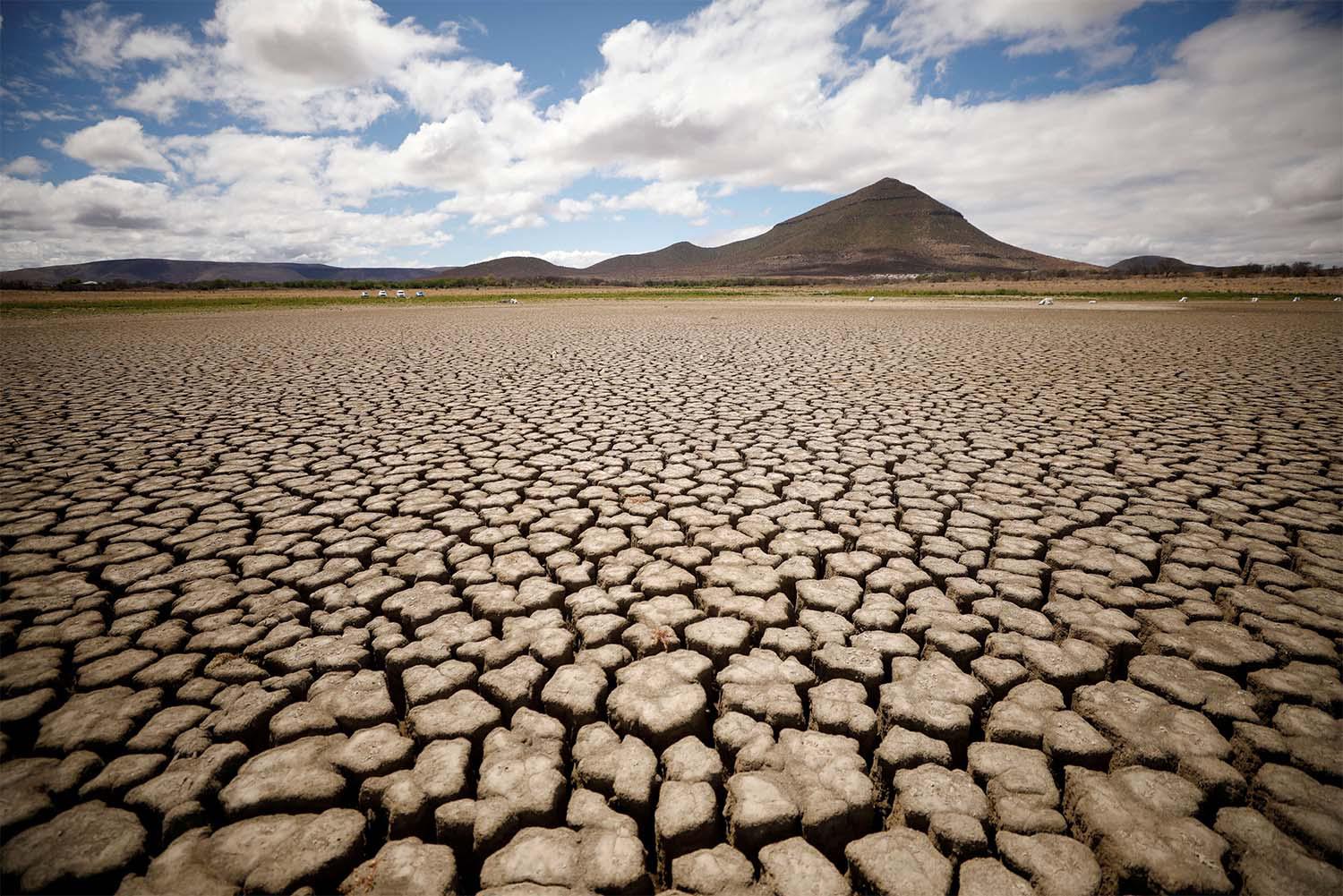
As the sun beats down and drought spreads, people queue at dwindling water sources, and the looming threat is visible on the horizon. The global water crisis is not a distant story limited to the Western world or faraway lands—it is a worldwide emergency threatening the daily lives of millions.
If severe water shortages continue over the next decade, the challenges will extend beyond drinking water to food security, the economy, and even political stability. Here are some lessons we can take from the unfolding crisis:
"Believe the scientists before it’s too late".
Many governments and citizens ignored decades of warnings from scientists about water scarcity, assuming technology would always provide a solution. Today, major cities face strict water restrictions, the Nile is running dry, and lakes across Africa are shrinking rapidly. Ignoring scientific realities doesn’t delay catastrophe; it accelerates it.
Brilliant technology alone cannot save a collapsing planet.
Modern projects like desalination plants and smart dams offer hope, but they are not substitutes for comprehensive water management strategies. Relying solely on water transport systems or deep drilling provides a false sense of security while soil fertility declines and groundwater depletes. Technology must be a tool for sustainability, not a distraction from it.
Weak governance comes at a cost.
Cities and countries that fail to plan sustainably for water appear powerless against climate change, and the consequences show in food shortages, rising prices, and conflicts over resources. Governments that project weakness in addressing the crisis inadvertently encourage reckless water use, worsening the problem. Visionary leadership is crucial for survival.
Communities are often smarter than their governments.
Local initiatives like rain-fed agriculture, rainwater harvesting, and recycling programs have proven that communities can adapt faster than slow-moving bureaucracies. In some African villages, community-driven programs have provided clean water for hundreds of thousands, while large-scale government projects often fail to deliver. Grassroots innovation is a powerful force.
The crisis is not just about water; it is about narrative.
Governments must communicate clearly that climate change and water scarcity are not abstract future problems—they are immediate realities affecting everyone. Without a clear and honest narrative, policies remain limited in impact, and misinformation spreads, promising magical solutions that do not exist. Truth is the first step toward action.
Social equity is central to sustainability.
The poor and marginalized suffer first and worst from water shortages. Any effective strategy must address fairness, or protests and conflicts will inevitably follow. Ensuring equitable access to water is not optional—it is essential for social cohesion and political stability.
Sustainable solutions require global and cultural cooperation.
No country can tackle drought and desertification alone. Effective solutions come from collaboration among governments, scientists, NGOs, and local communities. Cultural change in how water is used is as important as technological solutions. Education, awareness campaigns, and community participation are critical for success.
Time is not on our side—but hope remains.
The greatest challenge is recognizing the severity of the crisis before it’s too late and committing to genuine sustainability rather than temporary fixes. Communities that adopt smart strategies today will survive tomorrow, while those ignoring reality face inevitable disaster.
In the end, the global water crisis teaches a clear lesson: nothing replaces long-term planning, cooperation, and respect for nature. If we internalize these lessons, we may give future generations a chance to thrive, rather than inherit a planet running dry.
