

A shift towards diversified partnerships
Saudi Arabia leverages World Defence Show to diversify arms sources
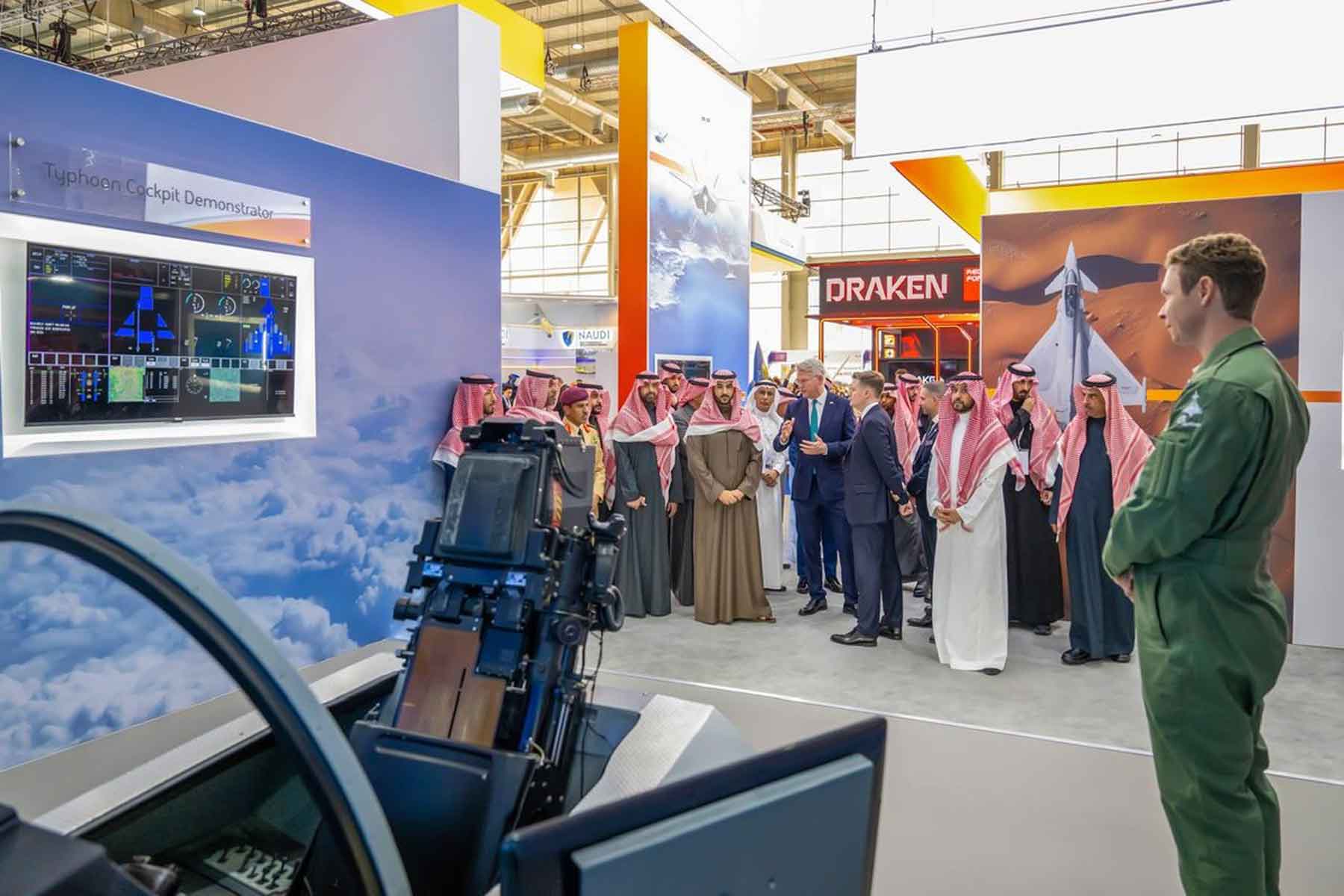
The World Defence Show runs until February 12 and brings together 1,486 exhibitors from 89 countries, alongside leading national and international defence firms.
Monday 09/02/2026
A shift towards diversified partnerships
RIYADH – Saudi Arabia signed three memoranda of understanding and a defence cooperation agreement on the sidelines of the World Defense Show in Riyadh on Sunday, marking a significant step in the kingdom’s strategy to diversify its military partnerships and modernise its armed forces.
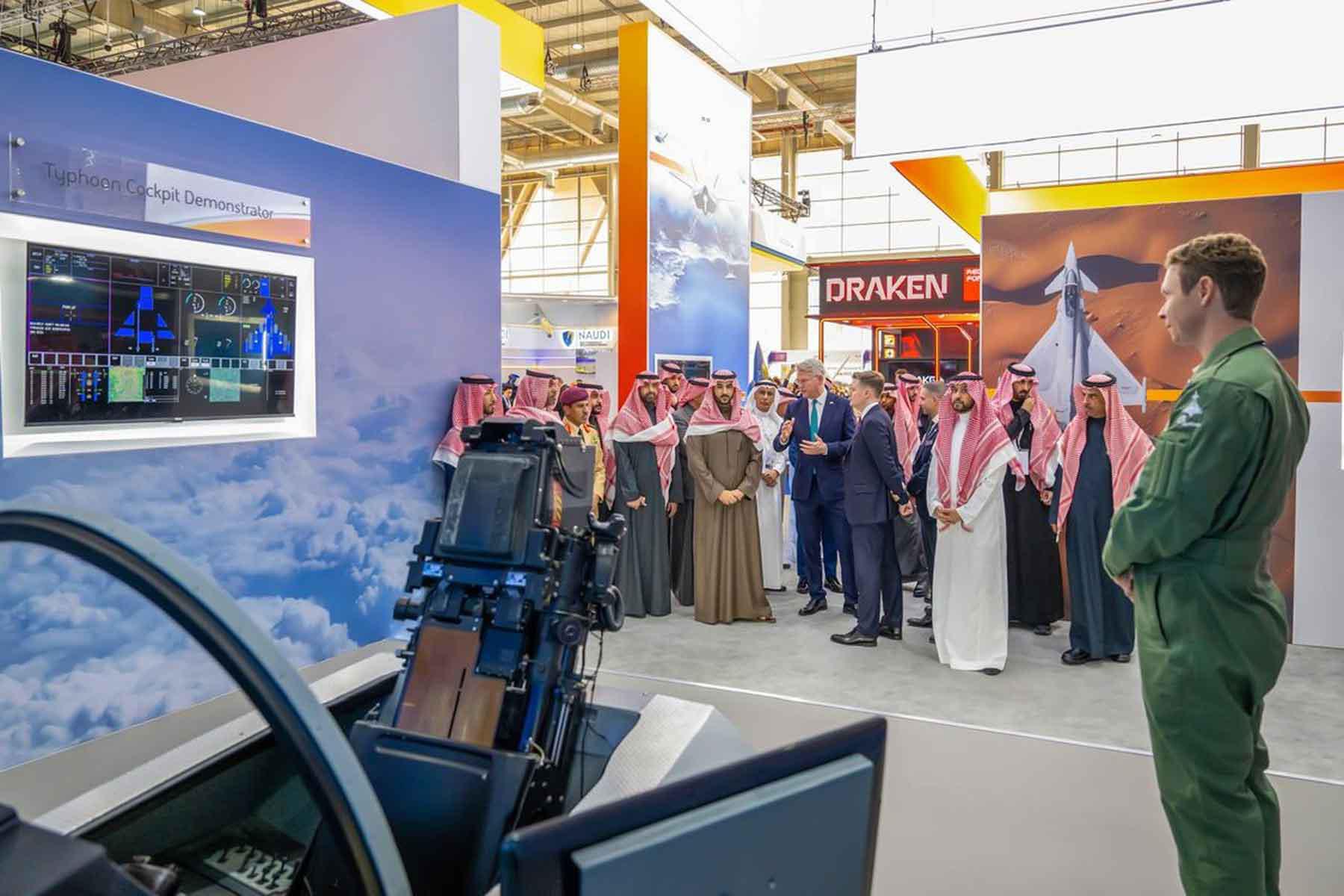
Saudi Arabia’s Minister of Defense Prince Khalid bin Salman bin Abdulaziz inaugurated the third edition of the exhibition on behalf of King Salman bin Abdulaziz Al Saud. Organised by the General Authority for Military Industries (GAMI), the event runs until February 12 and brings together 1,486 exhibitors from 89 countries, alongside leading national and international defence firms.
During the event, Prince Khalid signed a memorandum of understanding with Slovakian Deputy Prime Minister and Defence Minister Robert Kalinak, establishing bilateral defence cooperation between the two nations. Similar agreements were signed with Malaysia’s Defence Minister Mohamed Khaled Nordin and Somalia’s Defence Minister Ahmed Maalim Fiqi to strengthen military collaboration.
The minister also witnessed the signing of a memorandum of understanding with his South Korean counterpart Ahn Gyu-baek, between GAMI and the Korean Agency for Defence Development. The agreement will focus on research, development, and innovation in advanced military technologies and systems.
“The 2025 World Defence Show provides an opportunity to exchange knowledge, explore modern technologies, and develop local capabilities,” Prince Khalid said during a speech at the US-based X company pavilion. “I am pleased by the opportunities presented at the show and the signing of several memoranda of understanding and agreements.”
As part of its wider defence strategy, Saudi Arabia is moving away from dependence on a single supplier, aiming to protect national decision-making from political pressures or fluctuations in international relations. The kingdom prioritises localisation of military industries in line with Vision 2030, choosing defence systems that excel in specific areas and fostering domestic manufacturing capacity.
Saudi arms procurement remains diversified, retaining the United States as a key partner, particularly in the air force with F-15 aircraft and Patriot air defence systems. The kingdom has strong programmes with the United Kingdom in aviation systems, France in naval and electronic technologies, and has opened new cooperation channels with China on drones, including the Wing Loong series, and strategic missile technology. Agreements with Russia cover anti-armour systems and preliminary plans for advanced defence platforms.
Other diversification efforts include deals with Brazil on rocket launcher systems, South Korea on air defence and artillery systems, and Turkey on Bayraktar Akinci drones, marking the largest Turkish defence industrial contract to date. The kingdom aims to localise over 50 percent of its military spending by 2030.
During the exhibition, Prince Khalid inaugurated several initiatives under the Saudi Arabian Military Industries (SAMI) Group, including SAMI Land Company, SAMI Autonomous Company, the SAMI Land Industrial Complex, and the HEET programme. He also unveiled the SAMI Local Content Program (RUKN), the group’s flagship supply chain initiative.
Further agreements were signed between the National Industrial Development Centre and European aerospace firm Airbus to develop and localise Saudi aviation and helicopter industries, including establishing an engineering centre for manufacturing, assembly, maintenance, and repair, supported by a national logistics network. The deal also covers technology transfer, global supplier investment, and talent development through local educational and training partnerships.
GE Aerospace and the Middle East Propulsion Company Ltd. (MEPC) signed three new agreements to enhance operational readiness for the Royal Saudi Air Force (RSAF) F110 fleet and build in-country capabilities. The agreements, part of a long-term collaboration, focus on F110-129 engines, material supply, and comprehensive repair and overhaul services under the Engine Structural Integrity Program (ENSIP).
“These agreements represent the next phase of our strategic partnership with GE Aerospace and a major step forward in enhancing readiness for the RSAF F110 fleet,” said MEPC Managing Director Mohammed Alnawkhani. “Together, we are expanding in-Kingdom sustainment capabilities, ensuring long-term material availability, and delivering high standards of safety and performance for customers across the region. This milestone also strengthens localisation efforts in support of Saudi Vision 2030, contributing to national industrial development and building sovereign aerospace sustainment capabilities.”
Vice President for Defence & Systems at GE Aerospace for the Middle East, Africa, and Turkey Salim Mousallam added: “Our enduring partnership with MEPC is a testament to our shared vision of enhancing in-country capabilities and ensuring peak operational readiness. These agreements will significantly increase engine availability, streamline maintenance processes, and directly support the RSAF’s critical missions.”
The agreements collectively reinforce Saudi Arabia’s strategy to modernise its military, localise key defence industries and cultivate partnerships with multiple global powers while advancing its Vision 2030 industrialisation objectives.