

The film has sparked a wide discussion about re-reading history and reviving forgotten figures
Fatimah Al-Shaqra… From Tatar Captive to Egyptian Sultana
Ahmed Khaled’s film revives the memory of a nation, showing how a war captive transformed into an influential sultana, with a mosque in Cairo named after her.
Tuesday 23/09/2025
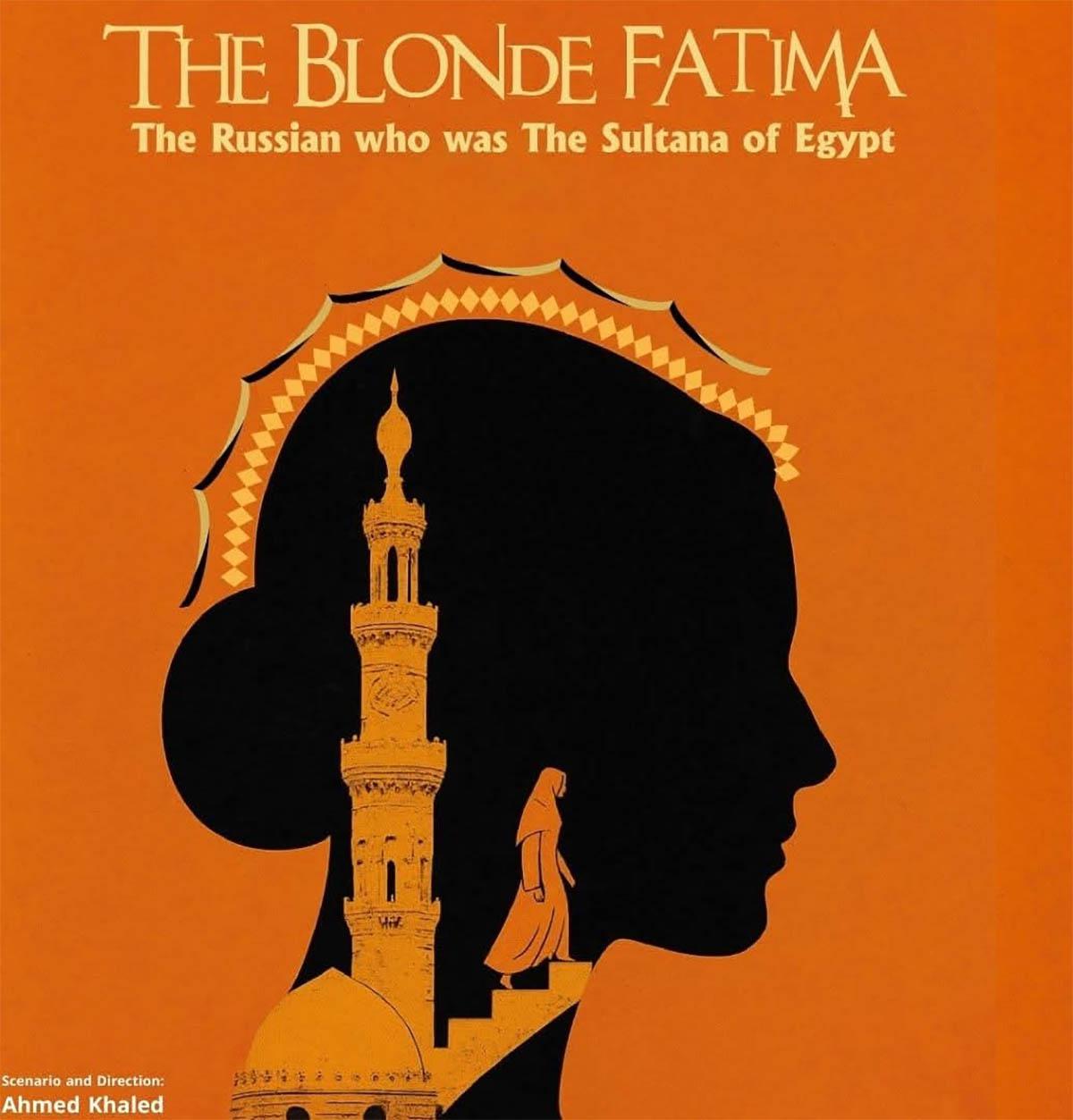
The film has sparked a wide discussion about re-reading history and reviving forgotten figures
In the heart of Russian Tatarstan and the streets of Old Cairo, Ahmed Khaled is on a continuous journey to find the lost bridges between history and art, past and present, and forgotten figures and their role in shaping identity. This journey began with his famous series of articles, "In Love with the Tatars," which restored the Tatars to their rightful place and cleared them of false historical accusations. The series also revealed an unfamiliar truth: that Islam has been the official religion of Tatarstan since 922 AD, and that its scholars and jurists, such as Imam Rawy Ain al-Din, adopted a progressive discourse calling for peaceful coexistence and intercultural dialogue while maintaining pride in national identity and the arts.
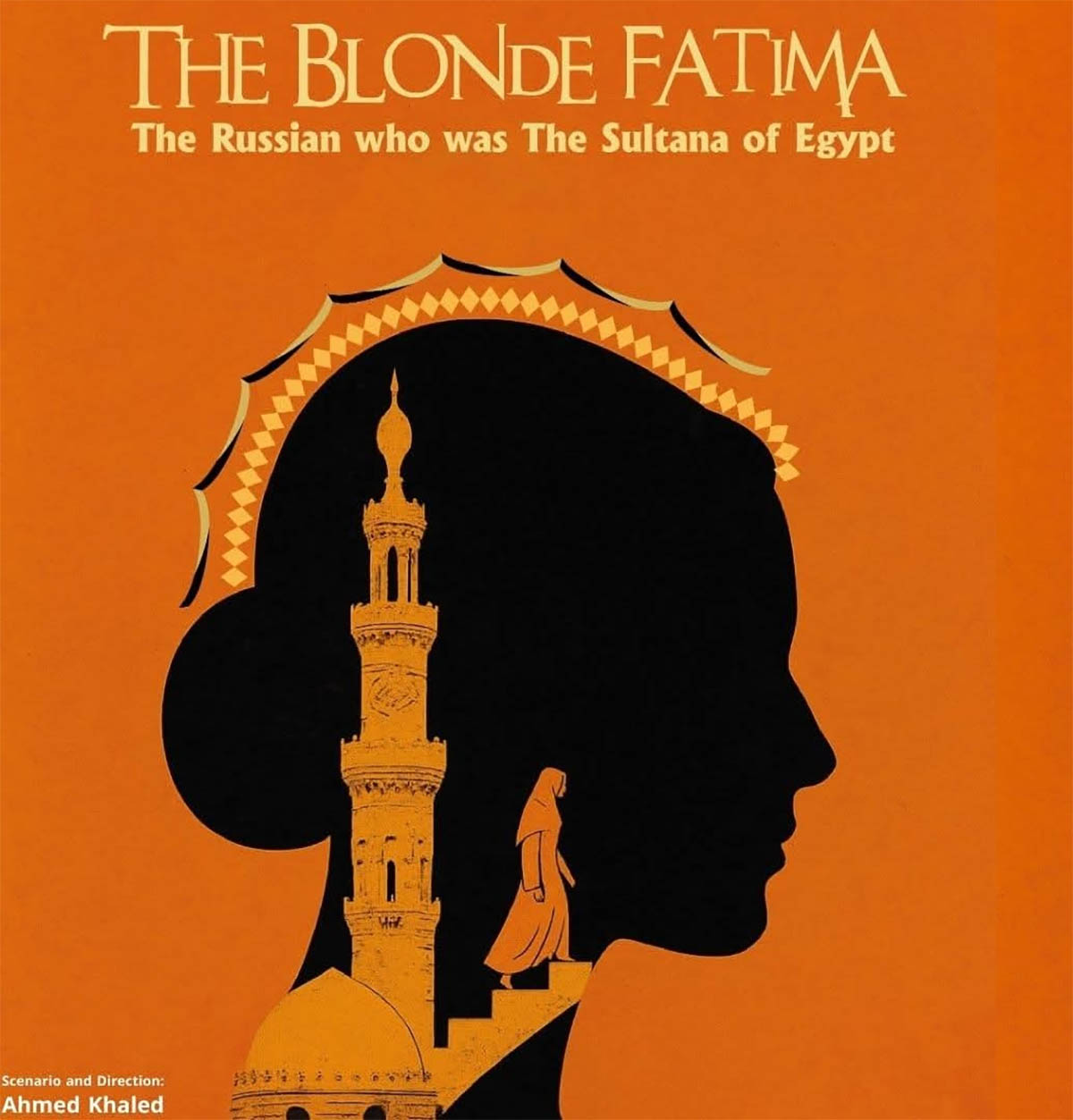
Transitioning from articles to references and then to film, Ahmed Khaled presented his new documentary to the world: "Fatima Al-Shaqra: The Russian Who Was an Egyptian Sultana." The film revives the memory of a nation, showing how a war captive transformed into an influential sultana, with a mosque in Cairo named after her. This small mosque, located next to "Al-Khayamiya" in the "Al-Darb Al-Ahmar" district, was built by Prince Rashid al-Din al-Baha'i in 873 AH (1468 AD) during the reign of Sultan Al-Ashraf Qaytbay. It contains simple but profound details that bear witness to a woman who transcended the boundaries of time and place.
The film focuses on the unique story of Fatima Al-Shaqra, who lived in Egypt during the 15th century, during the reign of Sultan Qaytbay from 1468 to 1496 AD. It also covers the wars between the Mamluks and the Ottomans, especially between 1485 and 1490 AD, when the Ottoman Sultan Bayezid II attempted to seize control of the Levant. During these wars, the Mamluks captured a Muslim Tatar girl who spoke Arabic. The Sultan was impressed by her beauty and language, and perhaps by her face’s connection to his own Tatar origins. He married her, making her the first Tatar woman to marry an Egyptian ruler and hold the title of Egyptian Sultana. She was also the mother of Sultan Al-Nasser, the son of Qaytbay.
Fatima Al-Shaqra was keen on immortalizing her name through the construction and support of mosques, schools, and charitable works, ensuring her legacy remained alive. Her mosque in Cairo still bears her name and welcomes worshippers daily, a testament to her enduring legacy.
The film aims to rebuild cultural bridges between ancient civilizations and acts as a link between Egypt and Tatarstan. It addresses several topics: an introduction to the Fatima Al-Shaqra mosque, Fatima's biography, the influence of women in Islamic history, the historical relationship between Egypt and Russian Muslims, and the role of female captives and war spoils in cultural diversity. It also corrects some misconceptions about the Tatars, clarifying that the invasions of the Islamic world were carried out by the Mongols. The film highlights the model of pluralism and peaceful coexistence in Tatarstan through interviews with local residents, experts in Mamluk history and architecture, feminist historians, and researchers of Islamic cultural interactions.
The film begins with an opening scene in Cairo, where the camera soars above the city skyline and enters the old neighborhoods, accompanied by the sounds of the call to prayer and a girl's voice saying:
"Cairo... a city that holds the souls of eternal women within its walls. The mosques here are not just places of worship; they are a testament to women of light... There is another name, less famous, but more mysterious... Fatima Al-Shaqra."
The camera follows a group of Tatar and Egyptian girls in a stone alley, revealing the Fatima Al-Shaqra mosque. The lens moves between the decorations to the stone mihrab, then to a small corner with a tomb on which is written: "This is the grave of Lady Fatima."
The film chronicles the Tatar girl's journey to search for Fatima's story, moving between Cairo and Kazan, exploring religious and cultural life in both Egypt and Tatarstan. It concludes with a poignant farewell scene, where the girl points to the minaret and the mosque door, saying: "My name is Fatima Al-Shaqra."
The film has sparked a wide discussion about re-reading history and reviving forgotten figures. It was a standout among the documentaries participating in the Golden Minbar International Film Festival in Kazan, Republic of Tatarstan, Russia, which reflects the international community's appreciation for its artistic and historical value and confirms its position as a bridge for dialogue between civilizations.
With this work, Ahmed Khaled continues his journey "In Love with the Tatars," proving that historical knowledge, when intertwined with art, can reshape our understanding of identity and coexistence. He opens a new window into the forgotten figures in the corners of history, who remain present among us in the silence of stone, the breath of old alleys, and the sparkle of eyes that have never lost their wonder.
